If you have found a spelling error, please, notify us by selecting that text and pressing Ctrl+Enter.

Curiosities of ancient Rome (Places)

The world of ancient Romans abounded in a number of amazing curiosities and information. The source of knowledge about the life of the Romans are mainly works left to us by ancient writers or discoveries. The Romans left behind a lot of strange information and facts that are sometimes hard to believe.

Mons Claudianus – Roman quarry in Egypt

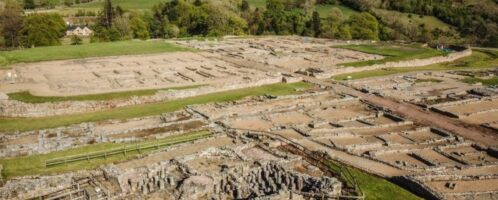
“Mount of Claudius” (Mons Claudianus) was a Roman quarry in the eastern desert of Egypt. This place owes its name to Emperor Claudius, who started mining as first. Grey granite (granodiorite), extremely valuable in ancient Rome, was mined there. The mine had its own garrison, shelters for civilians and workers or a supply and transport centre.
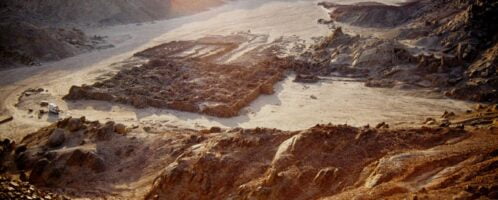
Remains of the Roman camp at Mons Claudianus

Roman basilica in London

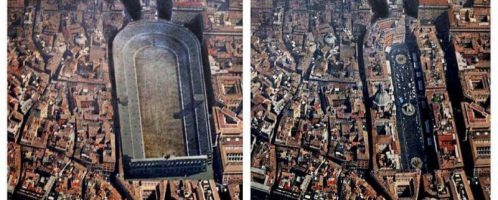
The three-story basilica built by the Romans in Londinium, distant from the capital of the Empire, was the largest structure of this type located north of the Alps. Constructed in 70 CE, enlarged in the years 90-120, it was the seat of the then city authorities, administration, treasury, temples and courts.

The cellars of the barbershop with the visible foundations of the Roman  basilica

Villa of the Quintilii on Via Appia

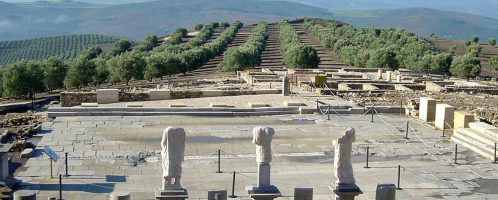
Villa of the Quintilii on Via Appia (in Rome) was built by consuls from 151 CE – brothers Sextus Quintilius Valerius Maximus and Sextus Quintilius Condianus. The impressive remains of this suburban villa (villa suburbana) have survived to this day.

Villa Quintilius on Via Appia

Rhapta – ancient market in south-east Africa

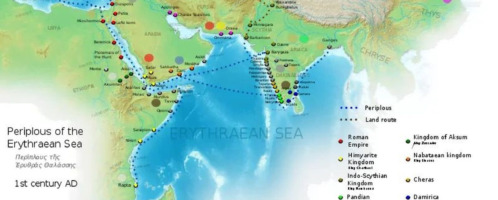
In the famous “Periplus of the Erythraean Sea”1 – a manuscript from the turn of the 1st century CE, which served merchants navigating the waters between East Africa and India – we can find a place called “Rhapta”, which is described as “the last marketplace of Azania” and was located two days south of the so-called Menouthias Islands (it is suspected that it could have been Zanzibar, Mafia or Pemba).

Map based on the Periplus of the Eritrean Sea

Isca Augusta – Roman remains in Caerleon

Isca Augusta was a Roman fort and urban centre, whose remains are located nearby or in Caerleon, in South Wales. This is where the II Augustus legion camped, which took part in the invasion of Claudius in 43 CE. It was one of three permanent Roman camps in Britain that survived until the late Empire.

Roman Amphitheater in Caerleon

Spelling error report

The following text will be sent to our editors: