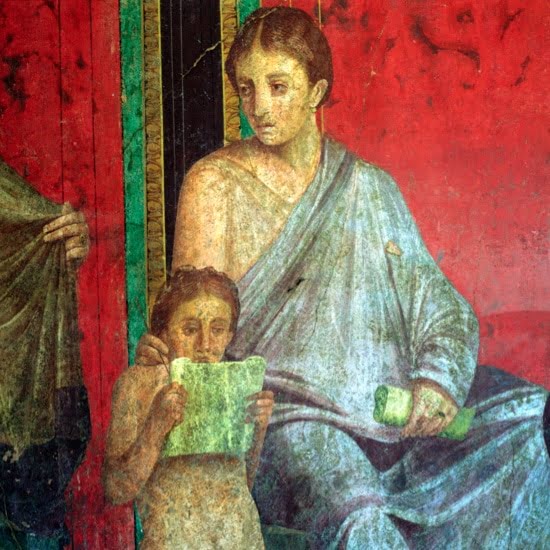
Patricians (patricii), from the word “fathers” (patres), it was a privileged, higher social class that appeared in the period Roman Republic.
Initially, probably patricians were the descendants of ancestral aristocracy (a closed number of families – gentes), which in the early period of the state, i.e. the royal and early republic, enjoyed full political rights and exclusive rights to office.
The Patricians, being part of the senate, exercised rule in the republic. From 445 BCE patricians were allowed to marry daughters plebeians. They were the opposite of patricians. The power monopoly usurped by patricians caused a conflict with the plebeians. The struggle for the division of power ended at the beginning of the 3rd century BCE, when the unstable balance between the two groups was established. At that time, they were plebeians in 287 BCE obtained full equal rights. In addition, some sacred functions were permanently assigned to patricians (until 44 BCE).
Over the years (especially during the late republic and empire), the old layer of patricians, as a result of civil wars, the economic decline of the state, proscription and few offspring crumbled and was replaced by patricians appointed by rulers.
- Alfoldy Geza, Historia społeczna starożytnego Rzymu, Poznań 2003
- Łoposzko Tadeusz, Historia społeczna republikańskiego Rzymu