Date | Event |
753 BCE | - According to the legend, Rome was founded in 753 BCE by two brothers, Romulus and Remus.
|
750-670 BCE | - 7 settlements from 7 hills coalesced into one organism.
|
650-500 BCE | |
509 BCE | |
509-507 BCE | - Rome under the occupation of Lars Porsenna.
|
508 BCE | |
501 BCE | - The appointment of the first dictator Titus Larcius.
|
496 BCE | - Battle of Lake Regillus, in which the Romans defeated the Latin League. It was a political union of 30 tribes inhabiting the Apennine Peninsula, headed by Latins. Created c. 6th century BCE, survived to 496 BCE.
|
494 BCE | - The first secessio plebis who left Rome and moved to the Aventine Hill Eventually, they agreed to come back in exchange for: appointment of their own official – plebeian tribune; permission for the construction of the temple of Ceres (goddess of agriculture) – a political place for plebeians; and the grain ration for the poorest.
|
493-338 BCE | - I Latin League allied with Rome. The union was forced to form an alliance with Rome and to create a new Latin League based on the equal status of all members. The alliance lasted until 340 BCE when the Latin war broke out. Her goal was to gain sovereignty for the Latins. The conflict ended in 338 BCE with the defeat of Latin League. The consequence of this event was complete dissolution of Latin League and taking over their lands.
|
486 BCE | - The beginning of 50 years of struggles between Rome and Volsci and Aequi.
- Closing the patricians state. The patricians consisted of families that probably formed a cavalry. They had full political rights and constituted the aristocracy. They held the courts at first.
|
471 BCE | |
451-450 BCE | |
449 BCE | |
447 BCE | - Establishment of a quaestor’s office, which dealt with the state treasury. Two Quaestors were then appointed.
|
445 BCE | - The Etruscans were losing control over Campania.
- The law of Cornelius (lex canuleia) was introduced, which legalized marriages between patricians and plebeians.
|
443 BCE | - Establishment of a censor’s office. Two censors were selected for 5 years. Actually, they filled an office for a year and a half. Their task was to estimate the number of citizens.
|
422 BCE | - Antonius Merenda became the first non-patrician consular tribune.
|
405-396 BCE. | |
390 BCE | |
378 BCE | - Beginning of the construction of the Servian Wall around Rome.
|
366 BCE | - First plebeian consul. From 320 BCE it had become the rule that one of the consuls was a plebeian. Then they gradually got access to the office of the praetor, censor, etc.
|
358-338 BCE. | - II Latin League. After its dissolution, the land was incorporated into Rome.
|
357 BCE | |
356 BCE | |
349 BCE | - Stopping Gauls’ invasion.
|
343-341BCE | - First Samnite War. Conflict between the Roman Republic and the Samnite tribes. Begun in 343 BCE with the expedition of Roman troops to Campania at the request of Capua. However, as a result of the legions’ mutiny, it ended without resolving in 341 BCE
|
338 BCE | - Dissolution of the Latin League. Some of the Latin cities were incorporated into Rome, and others were forced to form an alliance with Rome. Rome became a hegemon in the region.
|
326-304 BCE | - Second Samnite War. The fights with the Samnites were fierce and lasted several dozen years. During the second Samnite War, the Romans suffered defeat in the battle of the Caudine Forks. In the year 304 BCE, peace with the Samnites was only a short break in struggles with a difficult opponent.
|
326 BCE | - Prohibition of selling for debts, the debtor has only his property at his disposal.
|
312 BCE | - The road connecting Rome with Capua (Via Appia) and the first aqueduct Aqua appia were built on Appius Claudius’ initiative.
|
298-290 BCE | - Third Samnite War. The Samnites formed a coalition with the Etruscans, Gauls and Umbras, gaining the support of the majority of the people inhabiting Italy. Finally, Samnites were forced to make peace with Rome in 290 BCE. However, they managed to maintain internal autonomy.
|
295 BCE | - Battle of the Sentinum with the Samnites, Gauls and Umbria was a victory for Rome.
|
293 BCE | - Introduction of the cult of Aesculapius.
|
289 BCE | |
287 BCE | - Plebeian Quintus Hortensius introduced a law that ended the fight between the plebeians and the patricians. The act of the dictator Hortensius granted resolutions of plebeian assemblies, voted according to tribus, the force of laws binding the entire state. Their provisions no longer required Senate’s approval.
|
280-275 BCE. | |
269 BCE | |
264 BCE | - Romans occupied the Etruscan religious center – Volsinii (Volsinie).
- Rome practically took over control over the entire Apennine Peninsula, supremacy in Italy.
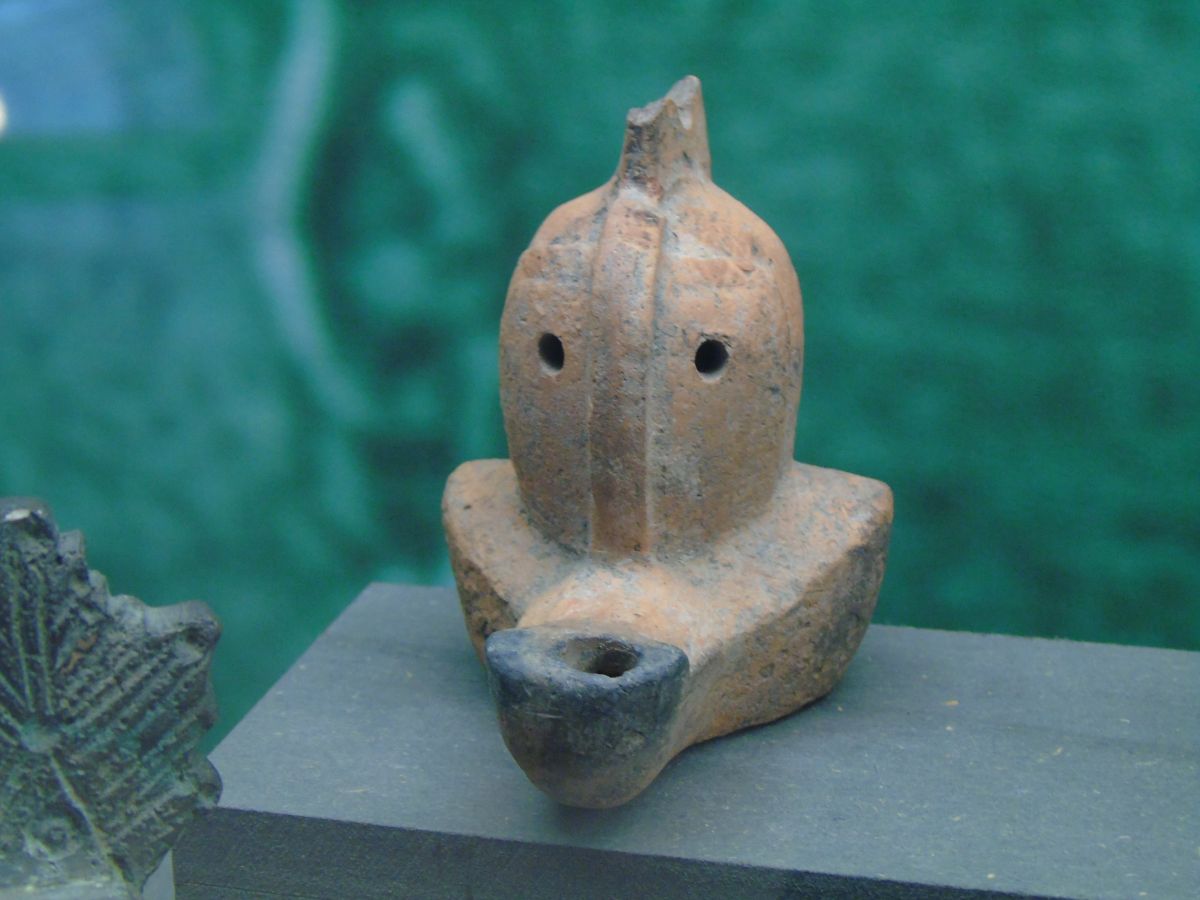
- The first gladiator games in Rome.
|
264-241 BCE | - First Punic War between Carthage and Rome. Warfare was initially conducted only in Sicily, where the Carthaginians dominated the western part of the island, while the eastern and southern ones were controlled by Syrakuse. Later, the fighting also occurred in the native territory of Carthage in North Africa. The war ended with the defeat of Carthage, which remised its possessions in Sicily. Sicily became the first Roman colony. The name of the war comes from the word poeni, which the Romans called the Carthaginians as descendants of the Phoenicians; hence the nickname punicus – punic.
|
261-260 BCE | |
259 BCE | |
241 BCE | |
238-225 BCE | |
229-228 BCE. | |
225 BCE | - The last Gallic invasion.
|
218-201 BCE | - Second Punic War between Carthage and Rome. It was run on the Apennine and Iberian Peninsulas, Sicily and North Africa. Its main character was Hannibal, a Carthaginian commander-in-chief from the Barcid family. The pretext for the war was to attack Sagunto (a city allied with Rome) by Hannibal. Hannibal, having crossed his army from Spain through the Alps to Italy, decided to surprise the Romans from the north. Despite an exhausting crossing through the mountains, he achieved a number of impressive victories (battle of the Trebia, battle of Lake Trasimene, battle of Cannae), however, due to limited logistical and recruitment opportunities, he could not use his victories. At that time, the Romans first proceeded to the conquest of Carthaginian possessions in Spain, and then on the advice of Scipio the Elder attacked the African centre of the Carthaginian Empire, which resulted in Hannibal’s retreat from Italy. In 202 BCE Scipio Africans defeated Hannibal in the battle of Zama. After the war, Rome took over Carthage’s possessions in Spain. In addition, Carthage had to destroy her fleet, transfer part of the African possessions to Numidian allies of Rome and pay a huge contribution.
|
217 BCE | |
216 BCE | - Failure of the Roman army (twice as big as the opponent’s) at Cannae. Thanks to this victory, Hannibal had an open road to Rome.
|
215-206 BCE | - First Macedonian War. Armed conflict between the Roman Republic and Macedonia ruled by Philip V. It was started by the king of Macedonia Philip V (in alliance with Hannibal). The struggle against Rome and its allies (Pergamon, Aetolian League) took place in Greece. Macedonia managed to get a part of Illyria.
|
206 BCE. | |
202 BCE | |
201 BCE. | |
200-197 BCE | - Second Macedonian War. Rome with the coalition (Pergamon, Aetolian League and Achaean League, Rhodes) defeated Philip V at Cynoscephalae. The king had to give up what he had gained and pay the contribution. In 196 BCE Rome proclaimed the freedom of Greek cities.
|
192-190 BCE | - Roman–Seleucid War. In 192 BCE Antiochus entered Greece, thus causing war with Rome. In 191 BCE he was defeated by the Romans at Thermopylae, and in 190 BCE in the decisive battle of Magnesia. In 188 BCE he was forced to make peace in Apamea, whereby he renounced the lands in Asia Minor, west of the Taurus Mountains, reduced the fleet and had to pay contribution. As a result of the defeat, the Seleucid power was broken.
|
177 BCE | |
172-168 BCE | |
168 BCE | |
167 BCE | - Bringing to Rome the library of Perseus, king of Macedonia.
|
161 BCE | - Displacement of Greek philosophers from Rome.
|
149-146 BCE | - Third Punic War between Carthage and Rome. It was the last of the wars between these countries. It brought total destruction to Carthage and the rise of Rome’s power in the international arena.
|
148 BCE | |
148-146 BCE | - The war of Rome with the Achaean Union and the brutal subjugation of Greece, which tried to gain real independence. Corinth was treated the worst and destroyed, and all inhabitants became slaves. Greece was put under the rule of the governor of the province Macedonia.
|
146 BCE. | - Destruction of the city of Carthage.
- Establishment of the province of Africa.
|
142 BCE | - The first stone bridge on the Tiber.
|
138-132 BCE | |
133-132 BCE | |
129 BCE | - A law requiring the return of a horse (Lex reddendorum equorum) was adopted, which clearly separated the equites and senators. The senators left the equites’ centuria, and the equites had to give up the symbol of a horse provided by the state. This year, the state of equites was created.
|
123-121 BCE | |
107-102 BCE | - Marian reforms. Marius carried out a military reform, transforming the existing civic army into a professional one and accepting volunteers. The service in such an army lasted at least 16 years. The soldier received pay and equipment. The symbol that unites the new legion is its vexillum – the eagle (aquila). Gradually also the guild squads (unlike the army) began to form so-called praetorians (praetorium). The problem was what to do with veterans: what source of maintenance to provide them after many years of military service, during which they had no other source of income and usually did not set up families.
|
103-100 BCE | |
90-88 BCE | - Social War. Rome is in conflict with its allies (socii). Those were one of the bloodiest battles in the history of Rome, their defeat could mean the end of Rome.
|
83-82 BCE | - First civil war (optimates against poulares). The feud between Marius (popular) and Sulla (optimate) over the command in Mithridates’ army. The Senate finally granted Sulla the command.
|
82-79 BCE | |
73-71 BCE | - Third Servile War: The greatest slave rebellion in ancient Rome. Within two years, the strength of Spartacus’ army, consisting of thousands of slaves, gladiators and poor peasants, excited an uprising in almost the entire Italy. Misunderstandings between the commanders and the battle of Silarus (when Spartacus died) gave the quietus to it.
|
67 BCE | |
64-63 BCE | |
60 BCE | |
58-53 BCE | |
55 BCE | |
53-52 BCE. | |
52 BCE | |
51 BCE | - The ultimate subordination of Gaul.
|
49-45 BCE | |
49 BCE | |
48 BCE | |
46 BCE | - Battle of Thapsus (Caesar’s victory).
- Establishment of the province Africa Nova.
|
45 BCE | |
44 BCE | |
43 BCE | |
42 BCE | |
36 BCE | |
32 BCE | - Termination of Octavianus and Antony’s agreement.
|
31 BCE | |
30 BCE | - Death of Mark Antony and Cleopatra.
- Establishment of the province of Egypt.
|
29 BCE | - Dedication of the Temple of Divus Iulius.
|
27 BCE | |
16 BCE | |
12 BCE | - Roman troops reached the Danube.
|
|
4 CE | |
9 CE | |
43-44 CE | |
45 CE | |
46 CE | - Establishment of the province of Thrace.
|
55-58 CE | - Roman–Parthian War over Armenia.
|
59 CE | - Nero’s games are in imitation of the Greeks.
|
61 CE | - Boudica’s revolt and the revolt of the Iceni in Britain. The king of Iceni and Trinobians Prasutagus, during the Roman conquest of Britain, decided to make peace with the invader, as a result of which he could rule the country as a vassal of Rome. In 60 CE Prasutagus died, handing over the reign in the kingdom to both daughters and Nero. This was to confirm the previous peace in the country and protect the kingdom from Rome. The Romans did not intend to accept it. The kingdom of Iceni was treated as a conquered province and its inhabitants were being terrorized. The queen was publicly whipped and her two daughters were raped by the Romans before her eyes.
|
64 CE | |
66-70 CE | - First Jewish–Roman War. It began with the outbreak of the Jewish uprising against Roman rule in Judea. The struggles turned into a war, which ended in the defeat of the Jews and led to the destruction of the whole country.
|
69 CE | - Year of the Four Emperors. It began with the outbreak of the Jewish uprising against Roman rule in Judea. The struggles turned into a war, which ended in the defeat of the Jews and led to the destruction of the whole country.
|
68-96 CE | |
80 CE | - Rome was partially destroyed by fire.
- Opening of the Colosseum.
|
92 CE | - Palace on the Palatine Hill was completed.
|
96-192 CE | |
101-102 CE | - First Dacian War. After crossing the Danube, the Roman army (150 000 people) commanded by emperor Trajan defeated the enemy in the Iron Gate. A year later, the Romans captured the more important mountain strongholds around Sarmizegetusa. Decebal asked for peace again. This time, however, he was forced to abandon some territories to Rome.
|
105-106 CE | - Second Dacian War. The Romans approached the capital – Sarmizegetusa and began the siege. The city capitulated and Deccebal along with some troops ran away to fight the last battle. After the defeat, he committed suicide. The dying king was found by the legionary Maximus, who handed his head to the emperor. Dacia became a Roman province.
|
106 CE | - Establishment of the province Dacia.
- Annexation of Arabia.
|
114-117 CE | - Roman–Parthian War, which ended with the creation of two new provinces – Mesopotamia and Assyria.
|
114 CE | |
117-138 CE | |
132 CE | - Bar Kokhba revolt. He was recognized as Messiah. It was the second Jewish-Roman war, aimed at shedding the authority of the Roman Empire over the province of Judea.
|
135 CE | - End of Bar Kochba revolt. In place of the ruined Jerusalem, the Romans founded Aelia Capitolina.
|
139 CE | |
142 CE | |
148 CE | - 900th anniversary of founding Rome.
|
167-180 CE | - Marcomannic Wars. Marcomannic Wars. It was a series of armed conflicts between the Roman Empire and the Germanic tribes in the Danube limes zone. In the first phase of the wars, the barbarians attacked the Roman provinces: Noricum (Upper Austria, part of Bavaria), Pannonia (Hungary, Austria) and Retia (southern Germany and Switzerland), and in 169 CE they crossed the Alps. The Romans controlled the attack at the end of 170 CE and then began to occupy the areas of Moravia and southwestern Slovakia, where Marcus Aurelius decided to create new provinces. After the death of the ruler in 180 CE, his son, Commodus, gave up his father’s plans and withdrew legions behind the Danube line.
|
184 CE | |
193-235 CE | |
212 CE | |
235-284 CE | |
238 CE | - The Goths crossed the Danube for the first time.
|
247 CE | - Celebration of the Roman Millennium.
|
249-251 CE | |
252 CE | - Attacks of Goths and other barbarian tribes on the northern border of the Empire.
|
268 CE | - Goths entered Thrace and Greece.
|
271/2 CE | - The Romans abandoned Dacia.
|
274 CE | |
284 CE | |
293 CE | - Establishing of tetrarchy (power divided among four individuals, two of them called Augustus and the other two – Caesars).
|
303 CE | - Diocletianic Persecution – the greatest persecution of the Christians in the East. It began with an edict which ordered the destruction of places of worship, burning the of sacred books, and forbade all assemblies.
|
304 CE | - The next Diocletian’s edict, which ordered offering sacrifices under the threat of the death penalty.
|
311 CE | - Galerius announced an edict in Nicomedia legalizing Christianity.
|
312 CE | - Battle of the Milvian Bridge
|
313 | - Edict of Milan was issued, providing religious liberty for Christians.
|
318 CE | - Prohibition of private pagan sacrifices.
|
324 CE | - Constantine the Great after his victory over Licinius in 324 CE, carried out a successful monetary reform. Thanks to acquiring large amounts of gold, he introduced a golden solidus and thus he could introduce many taxes payable in money. Silver coins were less valuable. In economics, the late Empire broke with the principles of the principate, that is, free economic development without the state’s interference. Here the economy began to be subordinated to the state’s directives. An attempt was made to unify the system in the whole Empire. Satisfying the needs of the army, the well-developed bureaucratic apparatus was a burden for people and exhausted the potential of the population in general.
|
325 CE | - First Council of Nicaea, during which the Nicene Creed was formulated. Arianism, Nestorianism and donatism were condemned, and the triunity of the Father, the Son and the Holy Spirit was established.
|
330 CE | |
332 CE. | - Coloni were forbidden to make a complaint against the landowners.
|
336 CE | - Coloni hereditarily attached to the land, and landowners were to help each other in pursuit of refugees.
|
337 CE | |
360-363 CE | |
371 CE | - During the reign of Valens, the obligation of collecting taxes was transferred from the colonus to landowners. The landowner became the mediator between the colonus and the state.
|
375 CE | - Hun’s arrival to Europe began the Migration Period.
|
376 CE | - Under the pressure of the Huns, Visigoths crossed the Danube.
|
378 CE | |
380 CE | - Christianity was recognized as the state church of the Roman Empire and the heretics were condemned.
|
381 CE | - First Council of Constantinople condemning Arianism.
|
382 CE | - At the order of Emperor Gallien, the Altar of Victory (goddess Victoria) was removed from the building of the Roman Senate. This fact made a great impression on the Roman tradition’s defenders. He also took away the privileges of the Vestal and Roman priests depriving them of their income and wealth. Symmachus’ attempts to protest failed. The religion was victorious and the spirit of tolerance was alien. Believers of old cults and pagans began to be persecuted.
|
391 CE | - The first edicts against pagans.
|
392 CE | - Theodosius issued a bill that prohibits all forms of paganism.
|
393 CE | - Abolition of the Olympic Games. After 393 CE, when the last games of the ancient era took place, the memory of the Greek upbringing died.
|
395 CE | |
396 CE | - Abolition of Eleusian mysteries. They were mysteries (a form of religious worship) celebrated in ancient Greece, in Eleusis, near Athens, connected with the worship of Demeter, her daughter Persephone and Dionysus. According to tradition, Eumolpos was supposed to start them.
|
402 CE | - Honorius left Rome and settled in Ravenna.
|
406 CE | - Barbarian tribes invaded the Western Roman Empire
|
407 CE | |
409 CE | - The invasion of the Suebi, Vandals, and Alans of Spain.
|
410 CE | - Conquest of Rome by Visigoths.
|
429 CE | - Vandal invasion of Africa.
|
438 CE | - During the reign of Theodosius II, grandson of Theodosius the Great, a special commission gathered all constitutions issued by Constantine and his successors. It was a full codification of Roman law in the so-called Codex Theodosianus.
|
440 CE | - Huns’ invasion of the Balkans.
|
443 CE | - Establishment of the Kingdom of Burgundy with the capital in Geneva.
|
449 CE | - Saxons, Jutes, and Angles’ invasion of Britain.
|
451 CE | - The beginning of the Hunnic invasion on the west.
- Battle of the Catalaunian Plain. The Huns, under the leadership of Attila, were defeated by the Romans and Visigoths.
|
452 CE | |
455 CE. | - Vandals with Gaiseric, from his country in Africa, attacked Rome. The city was robbed by the Vandals. Rome was being ravaged for 14 days.
|
457-461 CE | - The war of Majorianus with Burgundy – the last attempt to defend the Empire from the barbarians.
|
468 CE | - Vandals took control over Sicily.
|
476 CE | - The overthrow of the last emperor Romulus Augustulus by Odoacer and sending the imperial insignia to Zeno, the Eastern Roman Emperor.
|