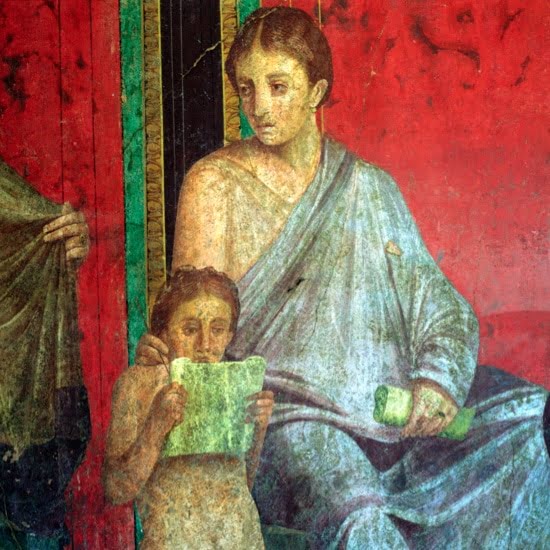
Ceres
Cerealia (Cereales) was a celebration in honor of the goddess Cerery (Ceres), running from April 12-19. It was connected with the games (ludi Cereales). Ovid mentions that during Ceralia, small burning torches were tied to the tails of foxes. The animals were then released into the Circus Maximus arena.
The reasons for this ritual are unknown. It is believed that such treatment had a positive effect on the increase in yields and protected them against all diseases. Ovid gives an explanation of this ritual in mythical history. A provincial boy caught a fox stealing chickens. He decided to set it on fire, but he did not anticipate that the animal would move into the field and burn all the crops devoted to the goddess Ceres.
During Ludi Ceriales there were games (ludi circenses), games, chariot races, and from 175 BCE also theatrical performances (ludi scaenici). Cerealia was first arranged by Gaius Memmius Quirinus, son of Gaius, as an aedile at least in 216 BCE or in 202 BCE. The program of weekly celebrations includes theatre performances, and on the last day, horse races and the release of foxes with flaming torches tied to the arena.
- Jaczynowska Maria, Religie świata rzymskiego, Warszawa 1987
- Winniczuk Lidia, Ludzie, zwyczaje, obyczaje starożytnej Grecji i Rzymu, Warszawa 1988
- Zieliński Tadeusz, Religia Rzeczypospolitej Rzymskiej