Curiosities of ancient Rome (Society)

This page is also available in: Polish (polski)

Wedding day in Roman world

The wedding day in the Roman world was chosen with great care. This was done to avoid any ordinary omens that might adversely affect future life. For example, June was considered a successful month until marriage, while May was seen ... Read more

How much did gladiatorial fight cost?

Gladiator fights were one of the most popular events for Roman society. The custom of gladiatorial fights derives from the Etruscan custom of worshipping the dead through fighting, rather than sacrificing human beings. In Rome, gladiatorial fights (munera, privately organized; ... Read more

Roman fresco showing daily expenses

We learn a lot about the expenses of ordinary citizens of course from Pompeii. It was there in one of the houses that the Roman “graffiti” survived; the resident calculates his expenses on the wall for the next five days ... Read more

In Rome, there were so-called wet nurse

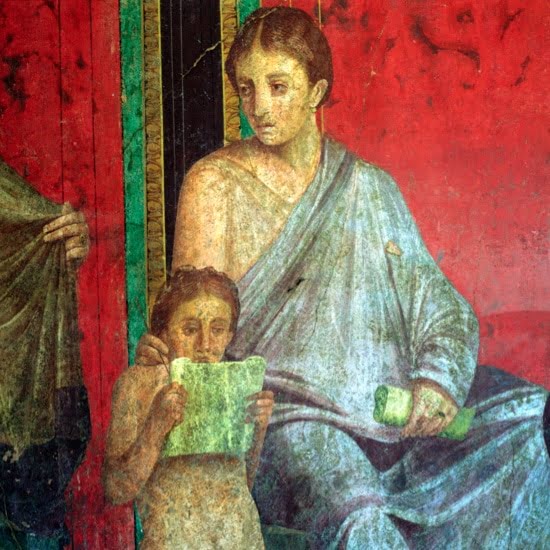
Children from rich homes were often fed by other women, the so-called mammals. Soranus of Ephesus in the 2nd century CE. He proposed to hire a woman between 20 and 40 years of age who has two or three children ... Read more

How were large transactions carried out in ancient Rome?

In 62 BCE Cicero was to buy a house from Licinius Crassus, located in a prestigious place – on the Palatine – until for 3.5 million sesterces1. For this, the famous orator was forced to take out a large loan; ... Read more

Sex in middle of female cycle?

Roman doctors recommended having sex in the middle of a woman’s menstrual cycle, which would guarantee a zero chance of becoming pregnant. As we currently know, this is the most “dangerous period” for such activities. All sorts of anti-pregnancy creams ... Read more

Romans loved chariot racing

Alongside the gladiatorial fights, the Romans also loved chariot racing. The fans were divided into specific factions (factiones), depending on the colours. In Rome, four such fan clubs were classically distinguished: red (russata), green (prasina), white (albata) and blue (veneta). ... Read more

Only free-born Roman men were allowed to wear toga

Only free-born Roman men were allowed to wear the toga (symbol of citizenship). Putting on a toga was a difficult, not to say burdensome activity. The strip of fabric was folded lengthwise, one end was thrown over the left shoulder, ... Read more

Romans were extremely hygienic

The Romans (especially those from high society) were extremely careful about hygiene. They didn’t use soap though. To obtain clean and healthy skin, perfumed oils were used and then scraped with a tool called strigil. In addition, various greasing oils ... Read more

Marriages in Rome were made of sense

Most Roman marriages (especially in the above sphere) were entered into out of reason, not love. Political rivals, through the union of their children, could forge a lasting alliance between the houses and pursue politics together. Fathers of married daughters ... Read more
Support IMPERIUM ROMANUM!

IMPERIUM ROMANUM needs your support!

If you like the content I collect on the website and share it on social media channels, I will be grateful for your support. Even the smallest amounts will allow me to pay for further corrections and improvements on the site and pay for the server.

Support IMPERIUM ROMANUM!
Subscribe to newsletter

Discover secrets of ancient Rome!

If you want to be up to date with the newest articles on the website and discoveries from ancient Rome, subscribe to the newsletter, which is sent each Saturday.

Subscribe to newsletter!