

If you have found a spelling error, please, notify us by selecting that text and pressing Ctrl+Enter.
Curiosities of ancient Rome (Society)
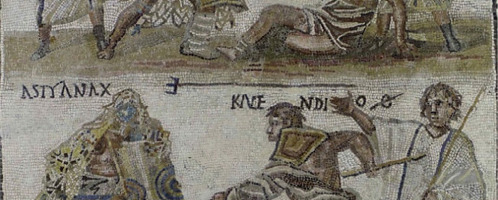
How much did gladiatorial fight cost?
Gladiator fights were one of the most popular events for Roman society. The custom of gladiatorial fights derives from the Etruscan custom of worshipping the dead through fighting, rather than sacrificing human beings.

In Rome, there were so-called wet nurse
Children from rich homes were often fed by other women, the so-called mammals. Soranus of Ephesus in the 2nd century CE. He proposed to hire a woman between 20 and 40 years of age who has two or three children of her own.

How were large transactions carried out in ancient Rome?
In 62 BCE Cicero was to buy a house from Licinius Crassus, located in a prestigious place – on the Palatine – until for 3.5 million sesterces1. For this, the famous orator was forced to take out a large loan; which was normal in the ancient world. But what is interesting, how did such a large transaction come about?

Sex in middle of female cycle?
Roman doctors recommended having sex in the middle of a woman’s menstrual cycle, which would guarantee a zero chance of becoming pregnant. As we currently know, this is the most “dangerous period” for such activities.

Romans loved chariot racing
Alongside the gladiatorial fights, the Romans also loved chariot racing. The fans were divided into specific factions (factiones), depending on the colours. In Rome, four such fan clubs were classically distinguished: red (russata), green (prasina), white (albata) and blue (veneta).

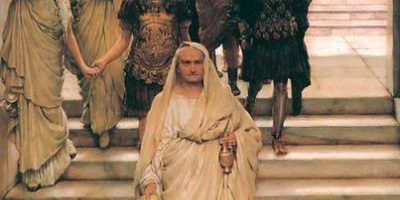
Only free-born Roman men were allowed to wear toga
Only free-born Roman men were allowed to wear the toga (symbol of citizenship). Putting on a toga was a difficult, not to say burdensome activity. The strip of fabric was folded lengthwise, one end was thrown over the left shoulder, a toga was placed over the back, the other end was passed under the right shoulder and thrown over the left shoulder from the front.

Marriages in Rome were made of sense
Most Roman marriages (especially in the above sphere) were entered into out of reason, not love. Political rivals, through the union of their children, could forge a lasting alliance between the houses and pursue politics together.
