Chapters
Following its victory in the Second Punic War (201 BCE) and the conquest of the southern part of the Iberian Peninsula, the Roman Republic – and subsequently the Empire – began the intensive exploitation of the region’s metal deposits. Silver was among the most valuable resources and also the most dangerous to mine; it served as the basis for Rome’s coinage.
Popular culture has fostered the belief that being sent to the silver mines was tantamount to a postponed death sentence. Was this really the case?
Silver in the Roman state
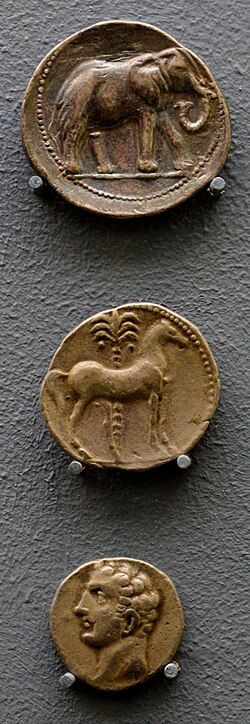
The mining of metals such as gold, copper and silver was one of the pillars of the Roman economy, and control over their deposits often motivated the state’s expansionist policy (Martin-Merino, p. 1, 2021). In the case of silver, it also mattered that state mints struck it into denarii and antoniniani, coins of a medium denomination, the most commonly used in transactions.
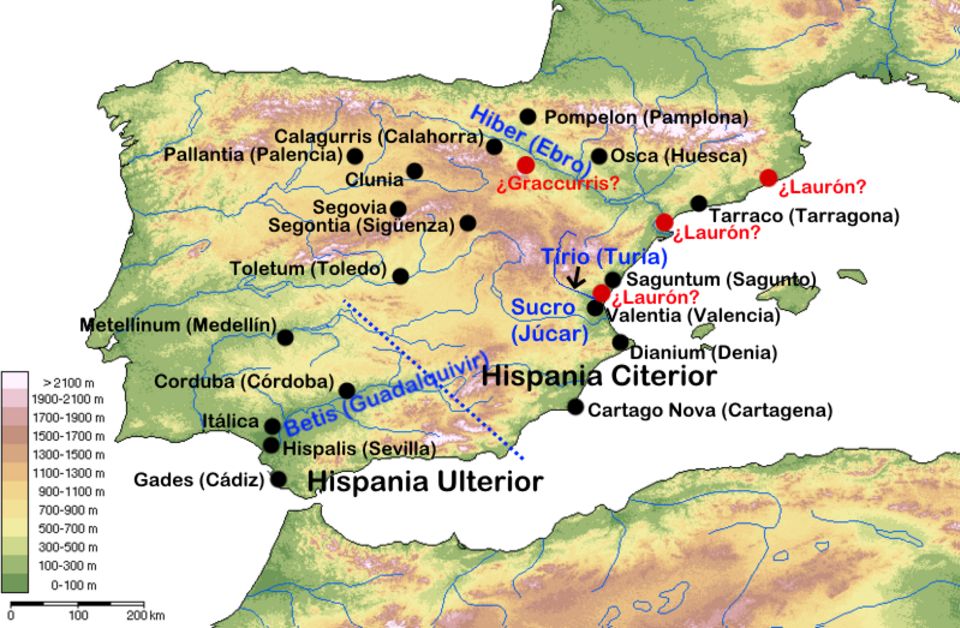
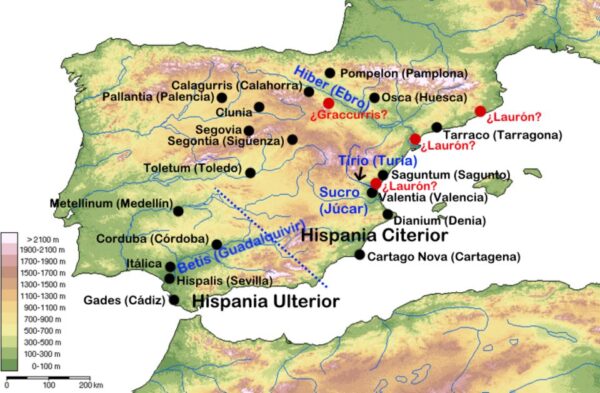
Carthage’s defeat in the Second Punic War, which meant handing control of southern and eastern Spain over to Rome, brought the Republic an economic boom based on the exploitation of the newly conquered mines. Describing the situation in the Spanish mines in the second half of the 2nd century BCE, the Greek historian Polybius mentioned several tens of thousands of workers employed in extracting silver from the mines around Cartagena, a former Carthaginian colony (Strabo, Geographica, III.2.10–11). Indeed, in antiquity Spain was famous for its natural wealth, which has since been exhausted.
Mines owned by the state were managed by a official called procurator metallorum, but in most cases they were leased to private individuals or to entire communities, such as military colonies. Both free people and slaves sentenced to damnatio ad metalla worked in them.
The importance of Spanish silver declined as its deposits were successively depleted and as Rome expanded into the Balkans, which became the main source of this raw material
in the 2nd century CE.
Mining process
Because Spanish silver usually occurred together with lead deposits, it was most often obtained from smelted argentiferous galena (lead sulfide) in a process known as cupellation. This involved heating the lead to about 1000°C and exposing it to a strong stream of air, which oxidized the silver-bearing lead into lead oxide. The molten silver, by contrast, did not oxidize but floated on the surface of the molten lead oxide (Pliny, Natural History 34.159). When the mass cooled, it was broken up and lumps of silver were recovered. Other metal mixtures containing silver were subjected to similar processes, and the waste left behind, in the form of slag heaps, can still be found in Spain today.
Contact with lead, unavoidable during the mining and smelting of silver, had an unequivocally negative effect on workers’ health, leading to lead poisoning, also known as saturnism. Symptoms of the disease included multi-organ failure, cerebral edema and the resulting seizures and fainting, and even death from cardiorespiratory arrest.
Besides saturnism, one must also remember about the extremely harsh conditions inside the mines themselves. While open-pit mines posed no great danger (apart from the lead poisoning already mentioned), deep mines meant claustrophobic tunnels and the risk
of drowning, suffocation and being crushed, or simply the impossibility of bringing an injured person out.
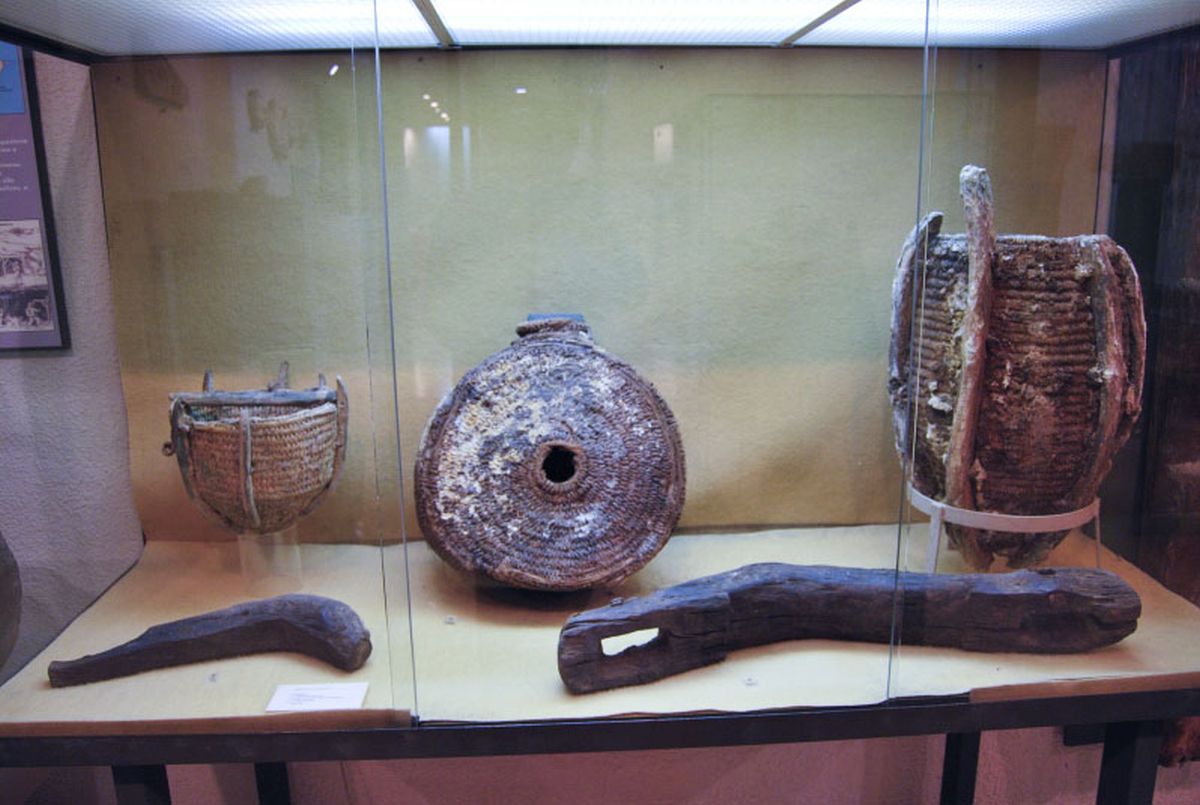
Mine shafts typically had a cross-section of about 0.28–0.56 m² and were usually also the only air passage, hence the poor ventilation typical of Roman mines, which only intensified the toxic lead fumes. Mines could be flooded by groundwater or by water deliberately pumped in by Roman engineers, who often broke up rock by thermal shock: rock heated by a fire was doused with cold water, which created fine cracks that miners then widened.
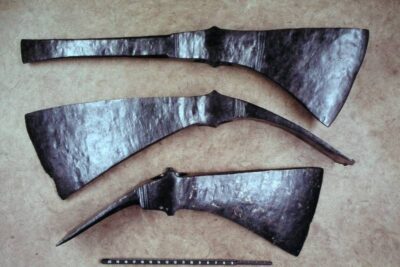
Workers recruited from the free population could count on wages that allowed them a modest living, whereas slaves often suffered hunger and mistreatment. From the point of view of managers and owners, this was not a particular problem, since they could rely on a steady supply of new slaves from numerous wars, as well as convicts, who were often sentenced to work in the mines. They were also aware of how deadly lead poisoning was, and that sooner rather than later it would strike their workers.
Deferred death sentence?
So was work in the Roman silver mines, in practice, a deferred death sentence? For those assigned to the hardest labor, yes; it was only a matter of time. We must remember, however, that not all workers employed in mining were exposed to lead and other life-threatening factors.
It is hard to judge whether the view that those sentenced to damnatio ad metalla were knowingly condemned to death is true. The Romans were probably aware of the risks that silver mining carried, but what killed above all was the combination of all the already described factors, together with the view that the life of a slave or convict, so easily replaceable, had negligible value.