If you have found a spelling error, please, notify us by selecting that text and pressing Ctrl+Enter.

Frescoes showing figures from mythology were discovered

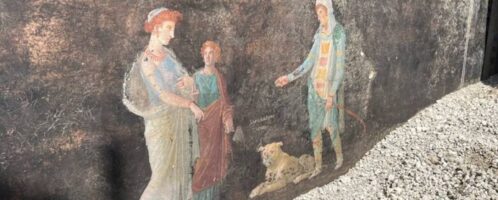
A fascinating discovery was made in Pompeii – frescoes depicting characters from Greek mythology have been preserved among the ruins of the ancient city. These unique paintings have survived for almost two thousand years, despite the eruption of Vesuvius that destroyed the city in 79 CE.
Frescoes showing figures from mythology were discovered

Discovering an ancient laundry in heart of Rome

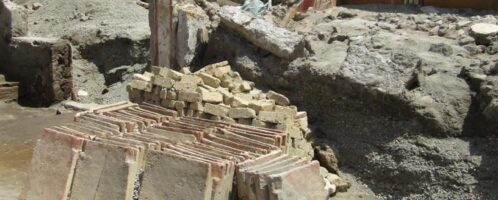
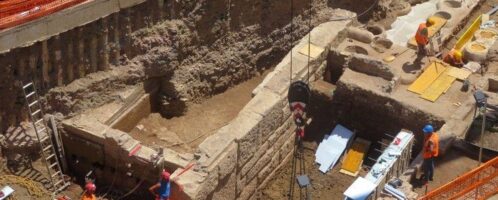
During the preparatory work for the 2025 Jubilee, fascinating remains of an ancient laundry (fullonica) were discovered in Piazza Pia, right next to the Vatican. The laundry room, covering an area of ​​500 square meters, was a place of intense activity related to cleaning clothes, dating back to the second half of the 2nd century CE. This extraordinary find not only adds a new dimension to the knowledge of Roman architecture but also provides insight into the everyday life of the Romans.

Discovering an ancient laundry in heart of Rome

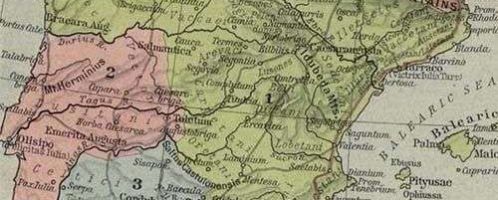
Archaeologists have discovered 57 ancient Roman settlements and created map of hidden empire in Spain

Archaeologists have discovered 57 ancient Roman settlements and created a map of the hidden empire in Spain. New Roman settlements were discovered in Spain. A research team from the University of Cadiz explored the central Guadalete River valley in hopes of finding ancient settlements. The team made extensive use of ground-scanning cameras and LiDAR technology to discover 57 new Roman-era settlements.

Roman Hispania

“Julius Caesar’s perfume” recreated

Researchers managed to recreate perfumes whose recipe can be found in ancient sources, including: Natural History1. They were called “Telinum” and were a mixture of flowers, fruit, olive oil and gladiator sweat. It is possible that Julius Caesar himself could have used such perfumes.

Reconstruction of the bust of the Roman leader - Julius Caesar

Scientists have concluded what words “hic et ubique” mean

Scientists managed to understand the hidden meaning of the Latin words “hic et ubique”, meaning “here and now”, carved in large numbers on the walls in Pompeii. In their opinion, they served as an expression of prosperity and wishes of happiness. These words often appear with names, which were intended to express good words about a given person.

Scientists have concluded what words "hic et ubique" mean

Plaster casts of bodies on new exhibition in Pompeii

A new exhibition has been opened in the Archaeological Park of Pompeii, where you can see four plaster casts of the bodies of the victims of Vesuvius up close. As park director Gabriel Zuchtriegel says: “The casts of the victims show us the agony of the people who died during the eruption of Vesuvius in 79”.

Plaster casts of bodies on new exhibition in Pompeii

Spelling error report

The following text will be sent to our editors: