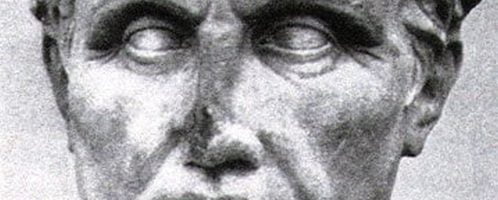
Titus Livius
(59 BCE - 17 CE)
Titus Livius was the chief historian of the Augustus era. His partially preserved work "Ab urbe condita" is the source of the history of Rome.
If you have found a spelling error, please, notify us by selecting that text and pressing Ctrl+Enter.
Representatives of ancient Roman culture played a key role in the development of literature, philosophy, art, and intellectual thought in the Roman Empire. In this category, you’ll find articles devoted to writers, poets, historians, philosophers, artists, and other creators whose works shaped Roman culture and influenced subsequent eras. The articles discuss their work, historical context, and significance for the legacy of the ancient world.
(59 BCE - 17 CE)
Titus Livius was the chief historian of the Augustus era. His partially preserved work "Ab urbe condita" is the source of the history of Rome.
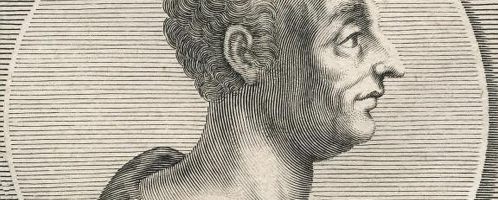
(c. 84 - c. 54 BCE)
Catullus was a Roman poet from Verona, belonging to the group of neo-serics, the only representative of them, whose works have survived in greater numbers.