If you have found a spelling error, please, notify us by selecting that text and pressing Ctrl+Enter.

Curiosities of ancient Rome (Artifact)

Artifacts is a collection of curiosities dedicated to objects left behind by the ancient Romans. This category features lesser-known facts and interesting information about archaeological finds, such as tools, weapons, coins, inscriptions, and everyday objects, which provide a deeper understanding of life in the Roman Empire.

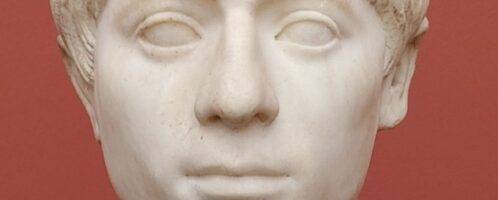
Roman sculpture depicting Philip II

Roman sculpture depicting Philip II, king of Macedon from 359-336 BCE, who was the father of the famous Alexander the Great. The object is a copy of a Greek original from the 4th century BCE. The artifact is located in Ny Carlsberg Glyptotek in Copenhagen (Denmark).
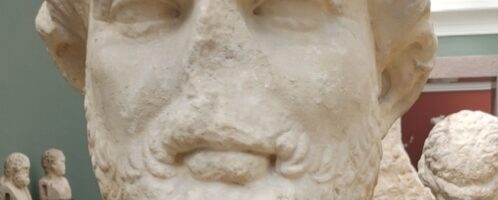
Roman sculpture depicting Philip II

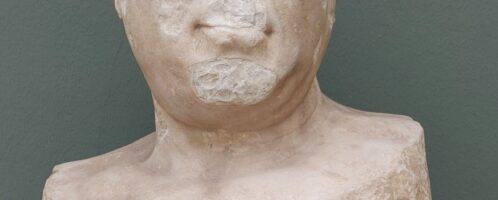
Elderly woman on Roman sculpture

Elderly woman on a Roman sculpture. The object dates back to the reign of Octavian Augustus (27 BCE – 14 CE). The artifact is located in Ny Carlsberg Glyptotek in Copenhagen (Denmark).
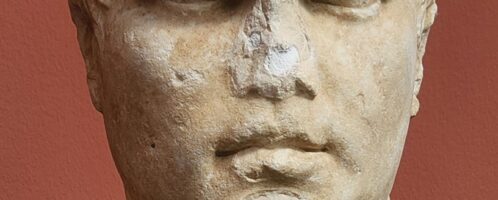
Elderly woman on Roman sculpture

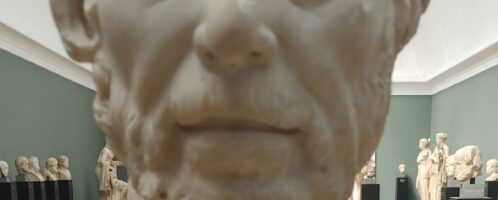
Fragment of Roman herm

Fragment of a Roman herm that shows the face of a man – probably Seneca the Younger (4 BCE – 65 CE), teacher of Emperor Nero. The object dates back to the 1st century CE. The artifact is located in Ny Carlsberg Glyptotek in Copenhagen (Denmark).
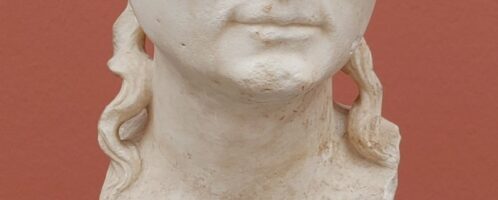
Fragment of Roman herm

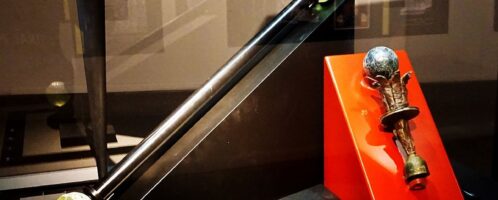
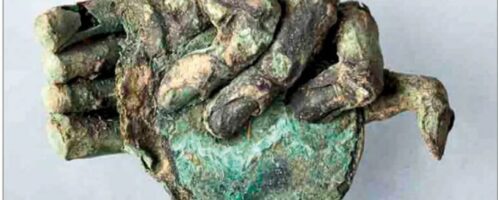
Insignia of imperial power

We associate royal insignia primarily with the kings of medieval and modern Europe. But have you ever wondered what the insignia of imperial power might have looked like in Rome?

Insignia of imperial power

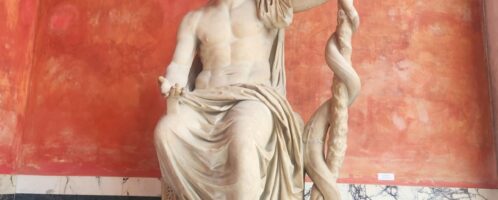
Sculpture of Aesculapius

Sculpture of Aesculapius, the Roman god of medicine. The object dates back to the 2nd century CE; discovered in Pozzuoli. The artifact is located in Ny Carlsberg Glyptotek in Copenhagen (Denmark).
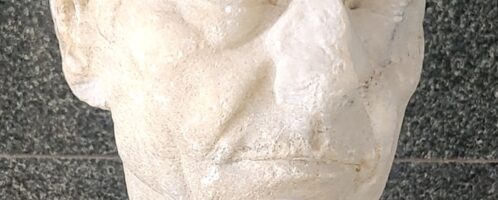
Sculpture of Aesculapius

Spelling error report

The following text will be sent to our editors: