Preserved Punic amphora
Preserved Punic amphora that was excavated from the bottom of the Mediterranean Sea near the island of Gozo. The object is dated to the 4th-3rd century BCE.
If you have found a spelling error, please, notify us by selecting that text and pressing Ctrl+Enter.
Artifacts is a collection of curiosities dedicated to objects left behind by the ancient Romans. This category features lesser-known facts and interesting information about archaeological finds, such as tools, weapons, coins, inscriptions, and everyday objects, which provide a deeper understanding of life in the Roman Empire.
Preserved Punic amphora that was excavated from the bottom of the Mediterranean Sea near the island of Gozo. The object is dated to the 4th-3rd century BCE.

Roman floor mosaic depicting birds. The object is located in the so-called House of the Faun (VI. 12. 2) in Pompeii.

The mosaic of Pan and the Hamadryad, found in Pompeii, is a fascinating example of Roman art. Such works were popular among Roman householders, who were eager to decorate their villas with mythological scenes, often imbued with erotic or metaphorical symbolism.

Inscription on the wall of the House of Lovers in Pompeii: “Amantes, ut apes, vitam melitam exigunt”, meaning “Lovers, like bees, lead a life sweet as honey”.

Glass vessel with intact stopper and contents; probably olive oil from Pompeii. The object is in The British Museum.

Bust of Roman matron. The sculpture is in the British Museum.

Roman fresco showing figs and bread. The object is in the British Museum.

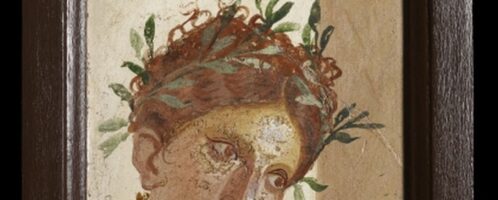
Roman fresco depicting the face of a woman from Herculanum. The object is located in The British Museum.
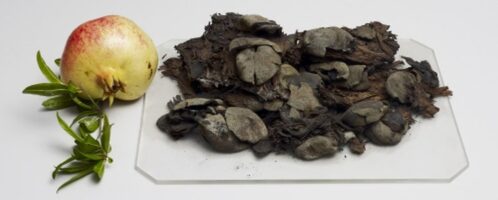
Charred remains of pomegranates from Oplontis, which was near Pompeii and was destroyed by the eruption of Vesuvius in 79 CE. The remains are in the British Museum.
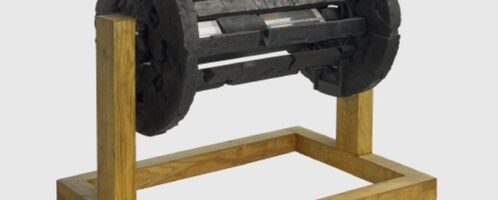
Partially preserved and charred wooden device for drawing water. The object was discovered in the so-called House of the Two Atriums, in Herculaneum. Artifact in the British Museum.