One of the greatest engineering achievements of ancient Rome was the development of building materials that allowed for the construction of structures on an unprecedented scale. However, it’s important to remember that Roman cement and Roman concrete were not the same thing. Cement served as a binder, while concrete was a finished construction material.
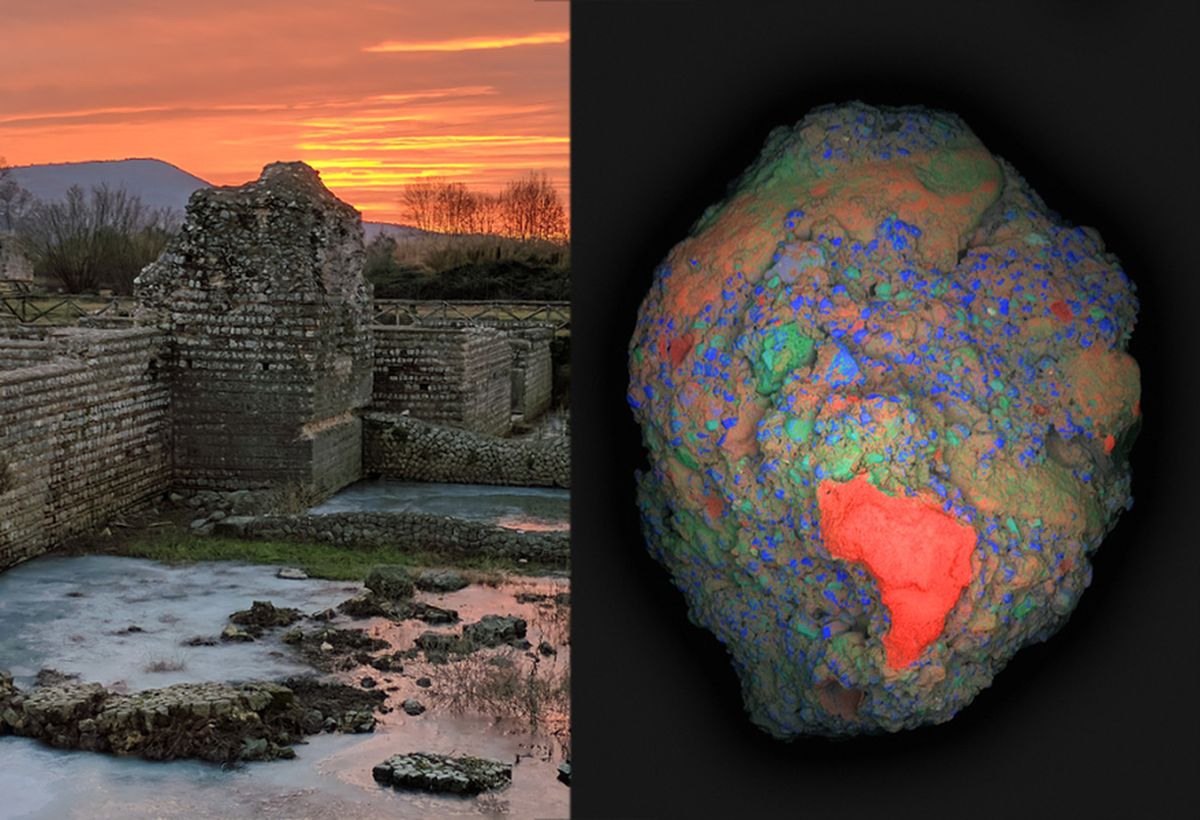
Roman cement was made from a mixture of quicklime, water, and volcanic ash, known as pozzolana. It was the pozzolana that gave the mixture its unique properties, allowing it to harden even in humid environments and remain durable for hundreds of years.
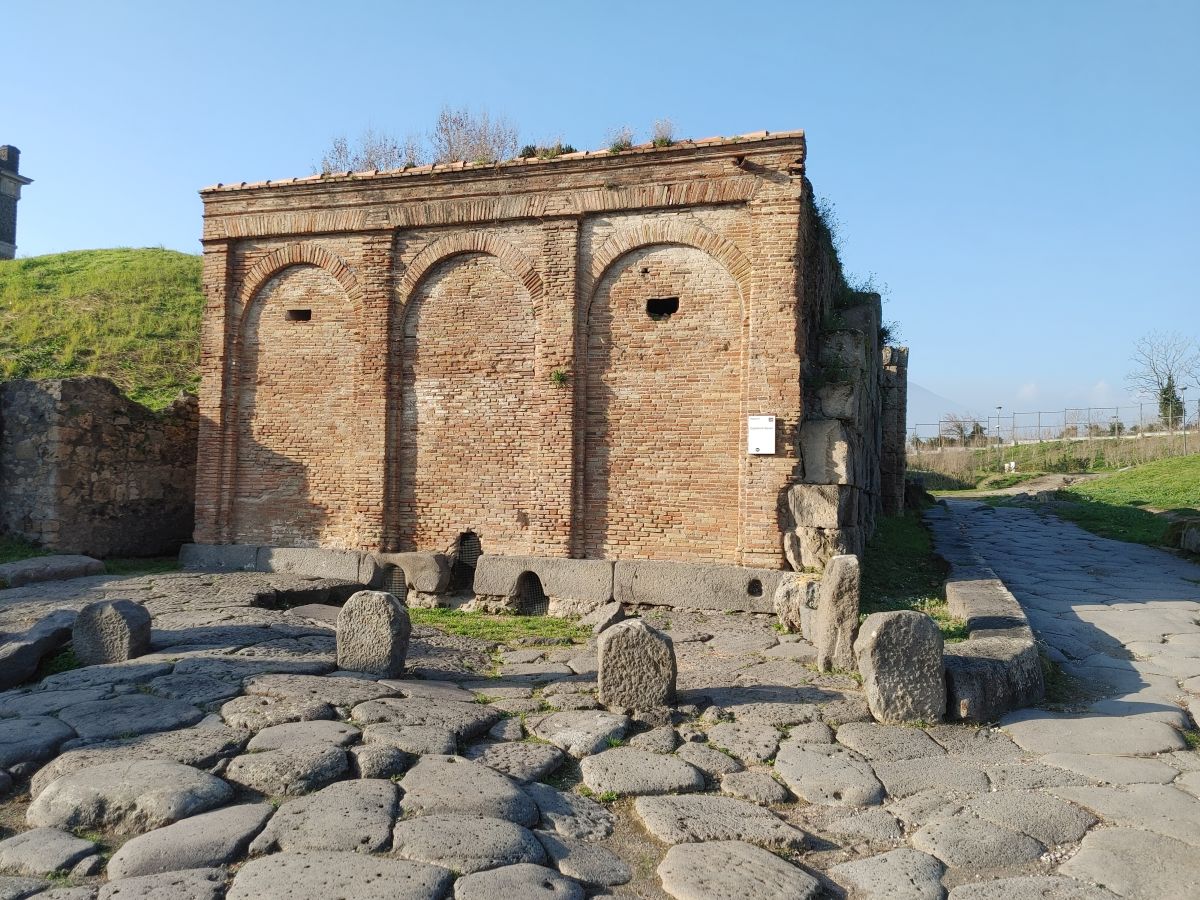
This binder was primarily used as a mortar for joining bricks, stones, and rock blocks. Roman cement also served as a base for making concrete.
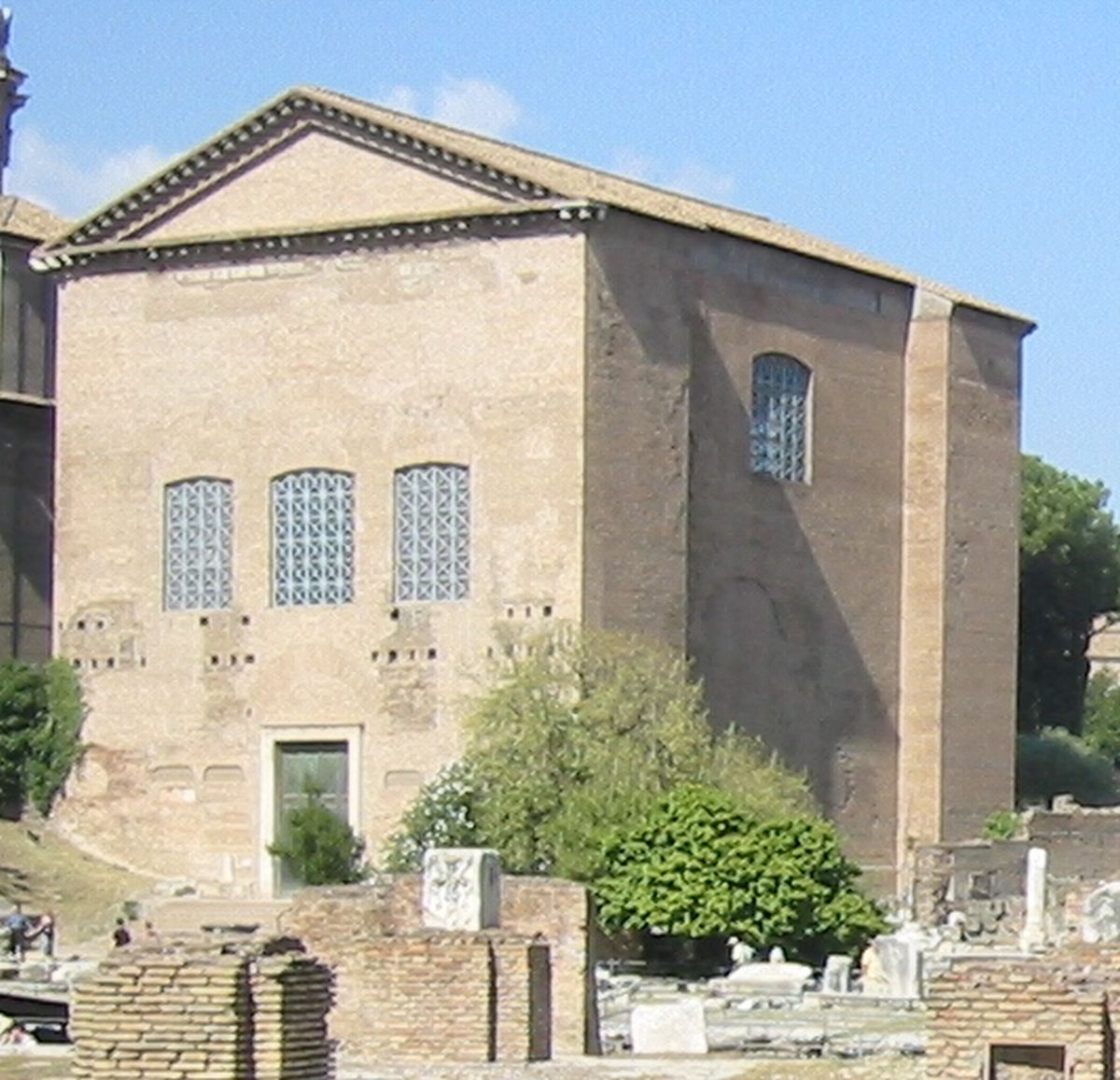
Roman concrete, referred to by the Romans as opus caementicium, was created by adding pieces of stone, brick rubble, volcanic tuff, or other aggregates to cement. Once mixed, the resulting mass could be poured into wooden formwork and molded into virtually any shape.
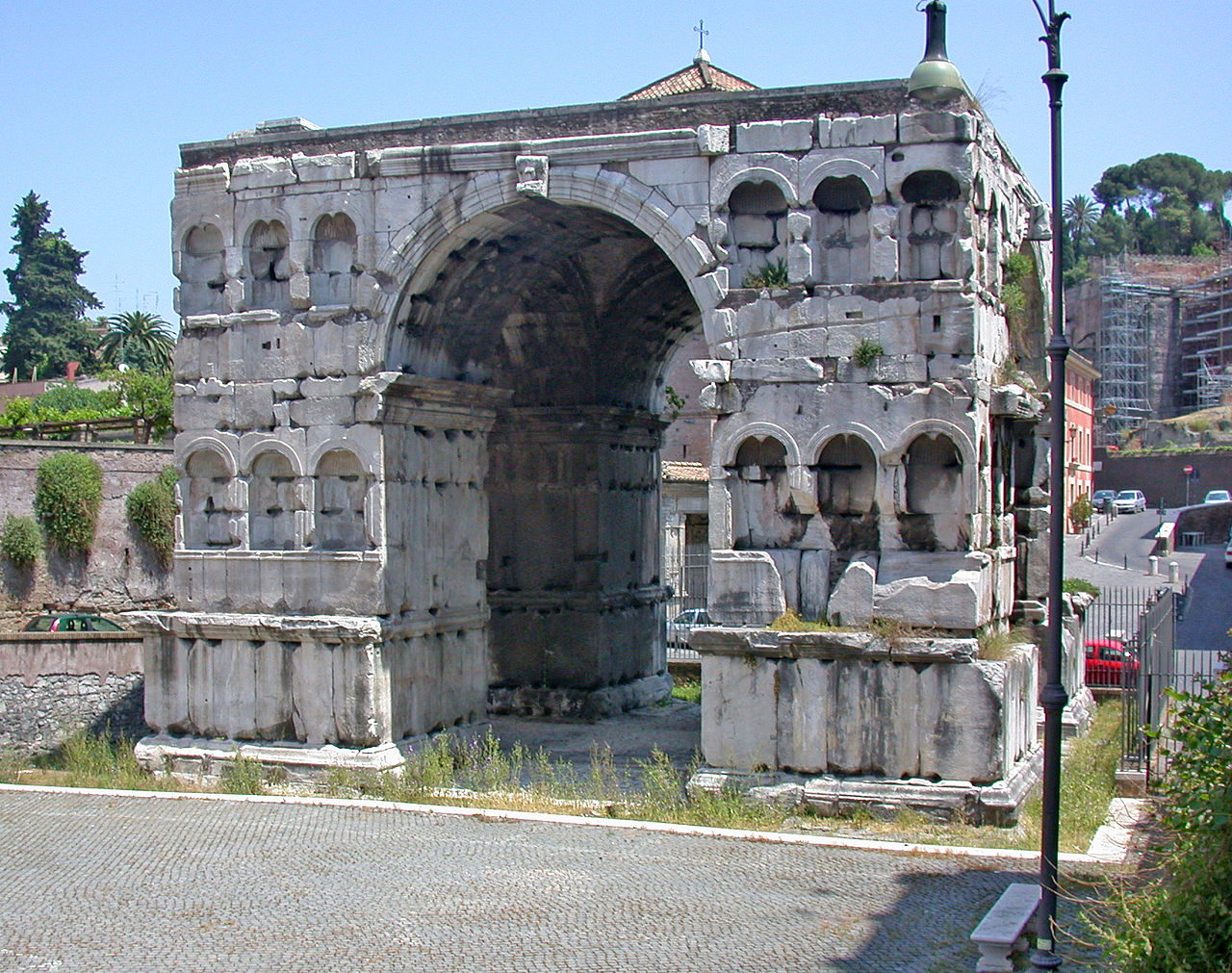
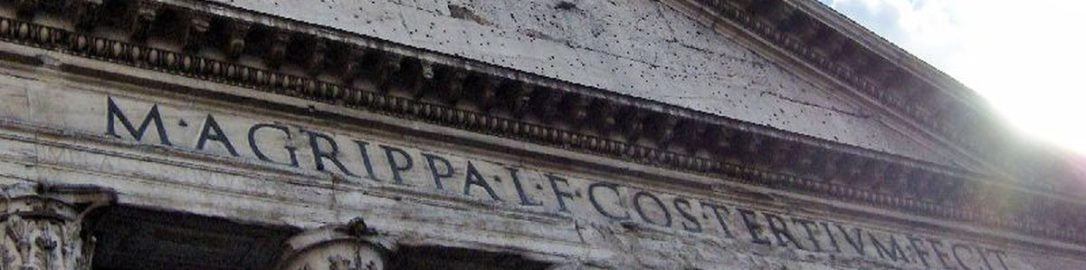
It was Roman concrete that enabled the construction of enormous foundations, vaults, domes, aqueducts, bridges, and seaports. The most famous example of its use is the dome of the Pantheon in Rome, which remains the world’s largest unreinforced concrete dome.
In practice, Roman cement can be compared to modern Portland cement, while Roman concrete corresponds to today’s structural concrete. The difference was that the Romans used a natural mixture of lime and volcanic ash instead of modern cement.
Thanks to this simple yet ingenious solution, ancient builders were able to create monumental structures that have endured for two thousand years and continue to inspire the admiration of engineers and archaeologists worldwide.