If you have found a spelling error, please, notify us by selecting that text and pressing Ctrl+Enter.

Curiosities of ancient Rome (Society)

How did you find yourself on streets of ancient Rome?

Nowadays, street names and house numbers are used to identify a place of residence. It is a simple and effective system, but the ancient Romans did not use it. In small towns, finding a given house by a stranger might not have been a big challenge. Such a person was certainly helped by local residents and guided him accordingly.
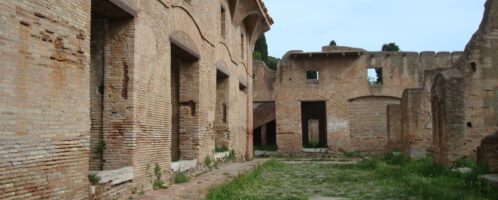
Insula in the port of Ostia

“Otium post negotium” – Roman’s rest after work

In ancient Rome, the concepts of otium (rest) and negotium (work) formed the foundation of social and personal life, especially among the elite. It was otium post negotium – “rest after work” – that symbolized the balance that a person should maintain to live harmoniously. Otium was crucial in shaping the Romans’ culture, philosophy and everyday life.

Roman relief showing a butcher at work

Frumentatio – distribution of grain in ancient Rome

Frumentatio was one of the most important food distribution programs in ancient Rome, which played a key role in ensuring the social and political stability of the empire. It consisted of distributing free or subsidized grain (mainly unmilled wheat) to the Roman population, especially in Rome itself, where the problem of hunger could lead to riots and destabilization of the political scene.

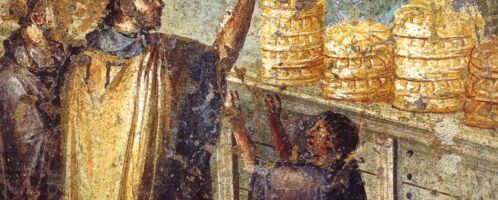
Fresco from Pompeii showing a bread seller

Calceus – Roman boot

Calceus is a typical Roman shoe that played a key role not only as foot protection but also as a marker of social position. It was a shoe that covered the entire foot, tied at the ankle and at the front, made of durable leather, often dyed in characteristic colours reflecting the status of its owner.

Calceus

Negotium – business, work and public life in ancient Rome

In ancient Rome, the term “negotium” meant professional activity, both in the economic and political sense. It was the opposite of “otium” – free time devoted to rest, reflection or cultural life. Negotium played a key role in shaping the social and economic structure of the Roman Empire, as the Romans viewed work not only as a means of earning a living but also as a way to pursue ambition and gain prestige.

Roman relief showing a butcher at work

Midwives of ancient Rome

In ancient Rome, midwives (obstetrices) played a key role in society, being not only specialists in the field of obstetrics but also women’s guides in one of the most important moments of their lives – the birth of a child.

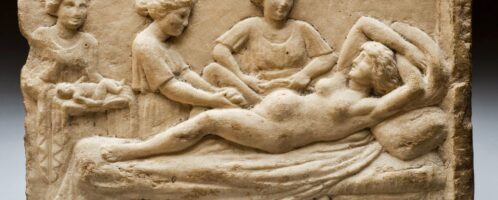
Roman bas-relief depicting a scene of a successful childbirth

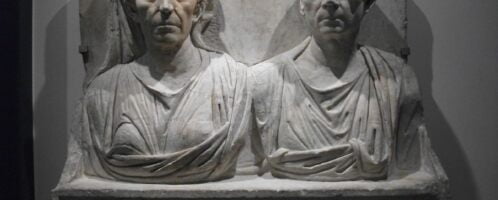
Family in ancient Rome

The entire life of Roman citizens revolved around the city on the one hand and around the family (familia) on the other. The word meant a little more than family. It included all the inhabitants of the house: parents, children, grandchildren, slaves, and even freedmen who stayed with their masters. They were all subject to the authority of the father of the family. It was in the family environment that the most important events in the life of a Roman and the rituals related to them took place.

Roman birth

What was fibula in ancient Rome?

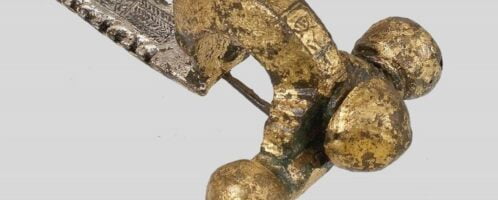
In ancient Rome, a fibula was a type of decorative pin, used mainly as a fastener for clothing such as tunics or coats. It was an important element of the wardrobe, serving both a practical and decorative function.

Roman "crossbow" shaped fibula

Spelling error report

The following text will be sent to our editors: