Etruscan stele was discovered in Italy
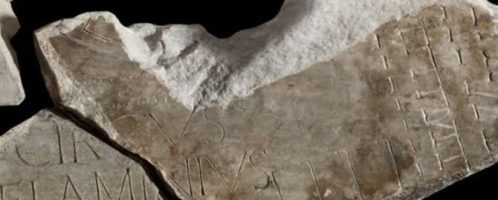
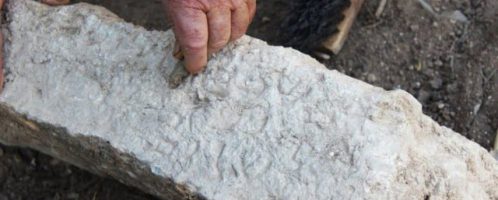
Archaeological work on the site of a former temple at Poggio Colla in Tuscany has brought a discovery. A 1.2-meter stele with an Etruscan inscription was excavated from under the ground.
If you have found a spelling error, please, notify us by selecting that text and pressing Ctrl+Enter.
Archaeological work on the site of a former temple at Poggio Colla in Tuscany has brought a discovery. A 1.2-meter stele with an Etruscan inscription was excavated from under the ground.
Hidden for decades, one of the world’s oldest collections of Roman statues and sculptures is so dazzling that an eminent archaeologist once disguised himself as a garbage collector just to get a glimpse of it.
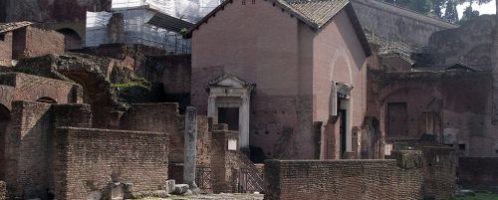
In 2016, after 36 years of restoration, the ancient Church of Santa Maria located in the Forum Romanum was opened to the public. The building dates back to the 1st century CE.
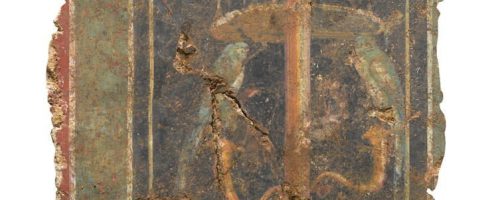
In 2016, during excavations on 21 Lime Street in London, a fragment of a Roman fresco was discovered that dates back to the 1st century CE.
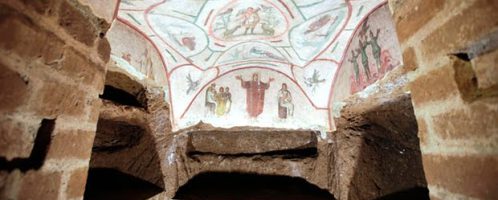
Italian police are investigating after an underground “lake” of the spilt oil has been found in the Roman catacombs along the Apian Road. The place has been secured by the police.
The tavern, which was covered in 2016, is located in Lattara (now Lattes), an ancient port in the south of France, which was known to scientists earlier from ancient sources, but only recognized in 1963.
In 2016, archaeologists discovered three burial inscriptions, approximately 1,700 years old, in a Roman cemetery in the ancient city of Sepphoris, near Lake Tiberias.
The latest skeleton research has revealed a lot of new information about fallen men suspected of fighting in the arena as gladiators. DNA analysis showed that the deceased in childhood were in poor health and trained in the use of weapons.