If you have found a spelling error, please, notify us by selecting that text and pressing Ctrl+Enter.

Climate change is threat to ancient artifacts in Britain

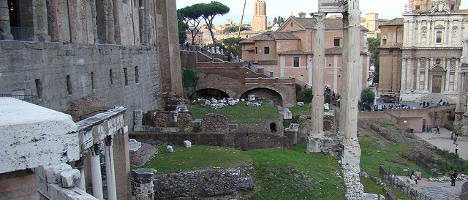
According to researchers, the ancient monuments in Britain are in danger of being destroyed. The reason is climate change, and more precisely, the progressive increase in temperature, and with it, the drying out of the wet earth, which for centuries was able to keep Roman remains in excellent condition.

Roman ruins in Vindolanda

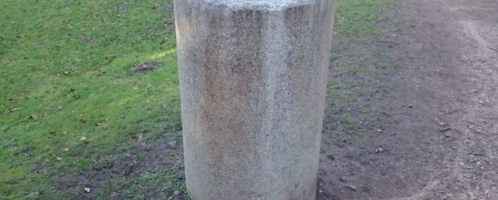
Stone serving as tripod for photos is artifact

Archaeologists say that the 1.2-meter-high granite stone at Rufford Abbey, near Ollerton (England), dates back to around 150 CE. It was part of the column of the villa of the Roman emperor Antoninus Pius. Interestingly, visitors to the park often used the processed stone as a camera tripod.

Stone serving as tripod for photos is artifact

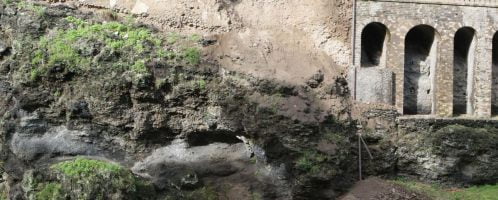
Successive downpours cause damage in Pompeii

On Friday, February 6, 2015, another rainstorm in Pompeii meant that in the so-called In the Centennial House, two pieces of plaster detached from the wall. The name of the villa comes from the fact that the building was discovered in 1879, i.e. 1800 years after the eruption of Vesuvius.

Heavy downpours are a threat to Pompeii

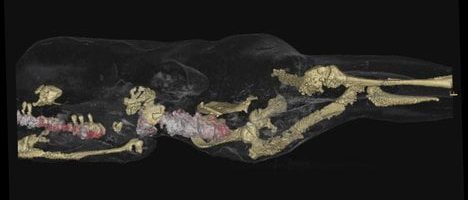
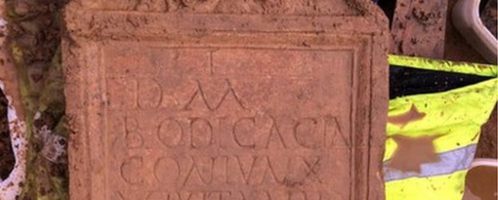
Roman tombstone discovered at Cirencester

Archaeologists in England, in 2015, made a unique discovery. The skeleton of a 27-year-old woman was found in Cirencester, with her own tombstone with inscriptions next to her body. The inscriptions suggest that her name was Bodica and she had Celtic roots: “To the spirit of Bodici, wife, 27 years of age”. Three children were buried with her, presumably her own.

Roman tombstone discovered at Cirencester

Spelling error report

The following text will be sent to our editors: