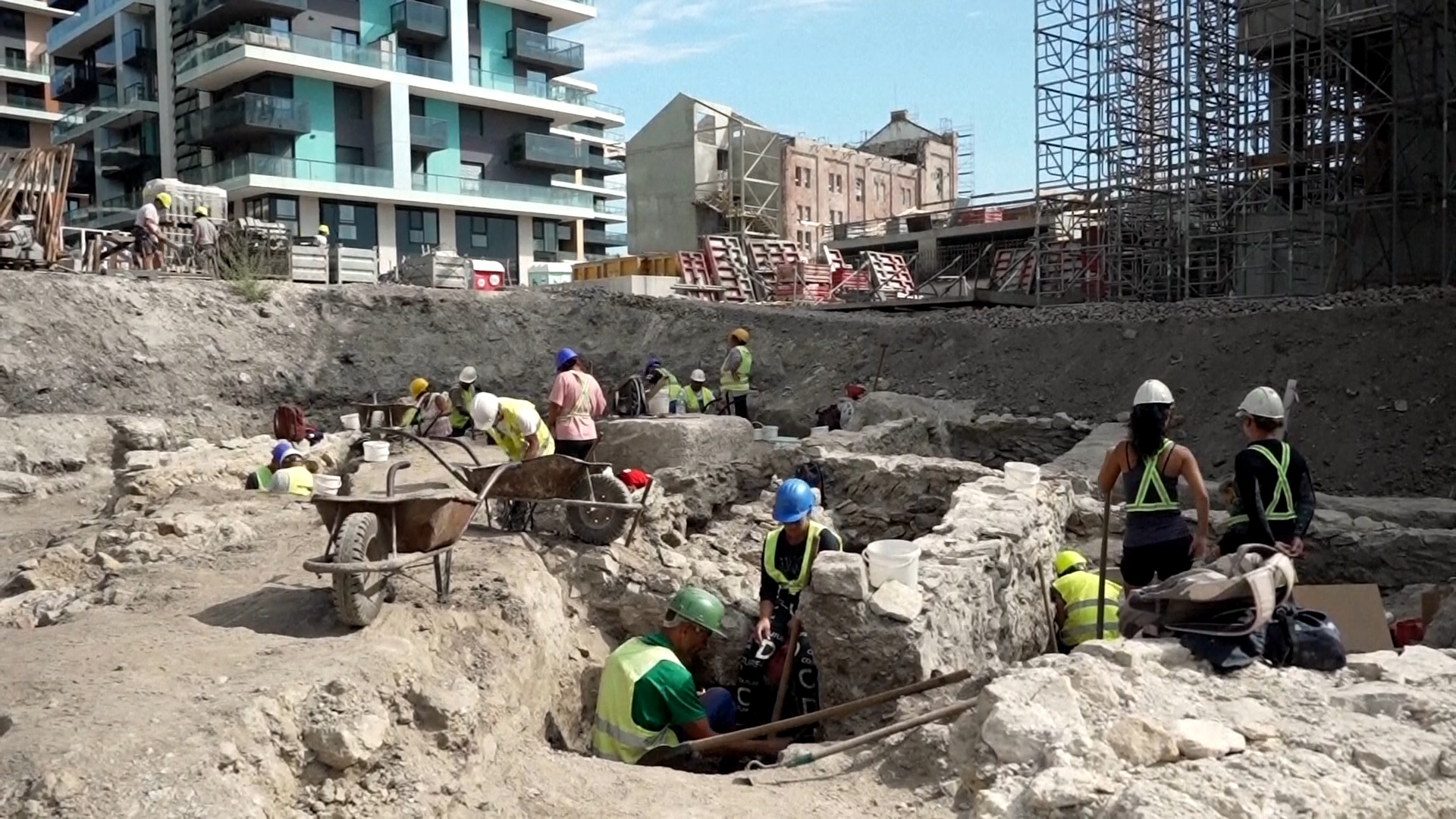
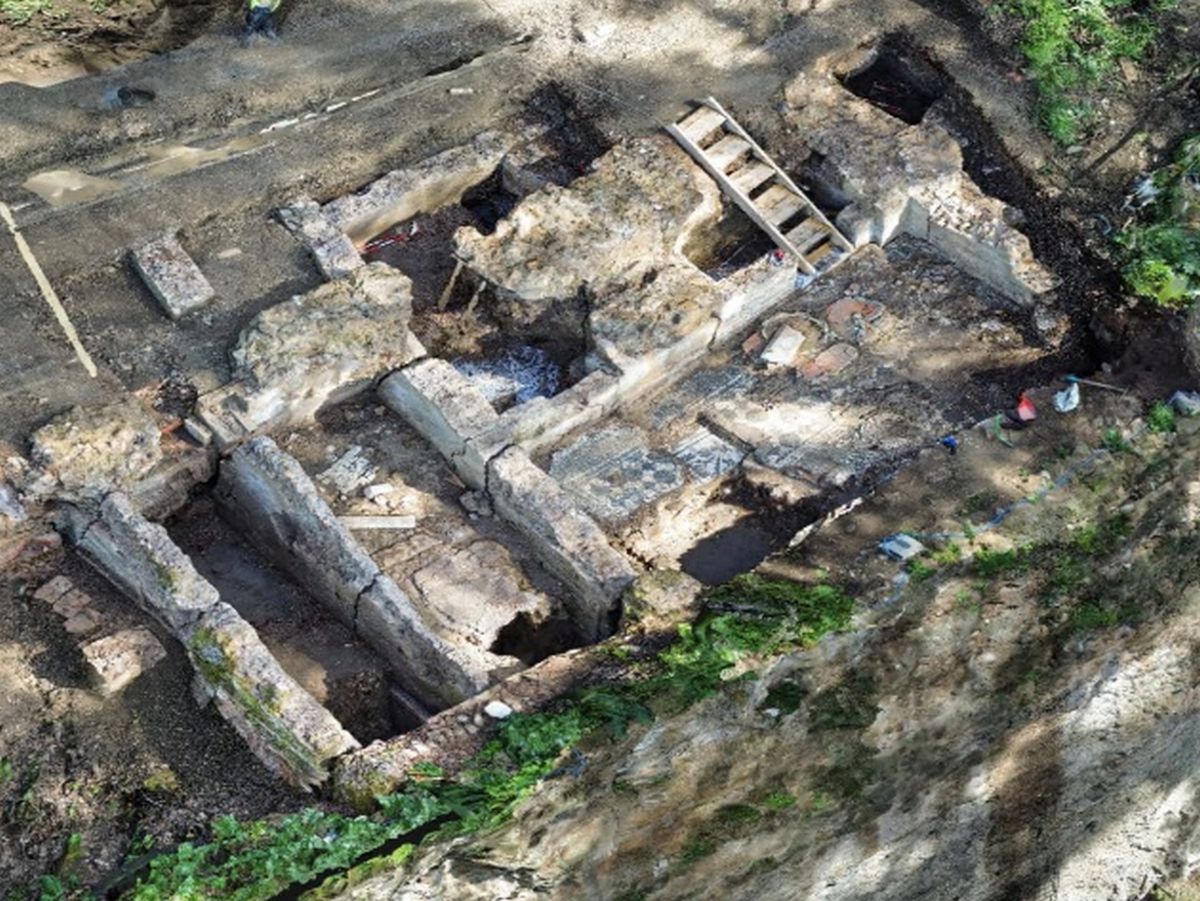
In southern Spain, during work leading up to the construction of a solar farm, archaeologists discovered a remarkable fusion of two distinct eras. Within a prehistoric fortress dating back approximately 5,000 years, they discovered the burial of a man living during the Roman period. The site itself dates back to the Copper Age and boasts advanced defensive structures for the period, with walls and bastions.
The fortress was thoughtfully designed, featuring multiple defense lines, a system of ditches, and distinctive wall projections that allowed for greater control over the surrounding area. Such features are typically associated with later eras, so their presence at such an early date is of great interest to researchers.
The most enigmatic element of the discovery, however, is the burial itself. The man, estimated to be 25-35 years old, was buried in a site that had been abandoned for hundreds of generations. A Roman pugio-type dagger was found with his remains, indicating a connection with the Roman army and the period when the empire controlled the Iberian Peninsula.
It is unknown why this particular burial site was chosen. It may have been a practical decision—to utilize an abandoned structure—or it may have had symbolic significance. Ongoing research may reveal more details about this man’s life in the future and explain how he came to be in such an unusual location.