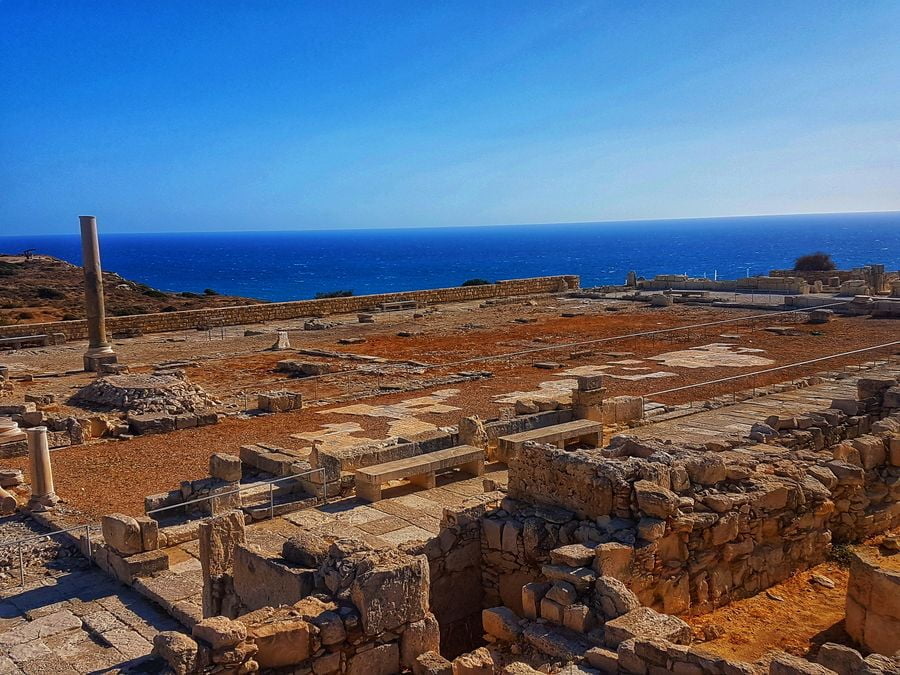
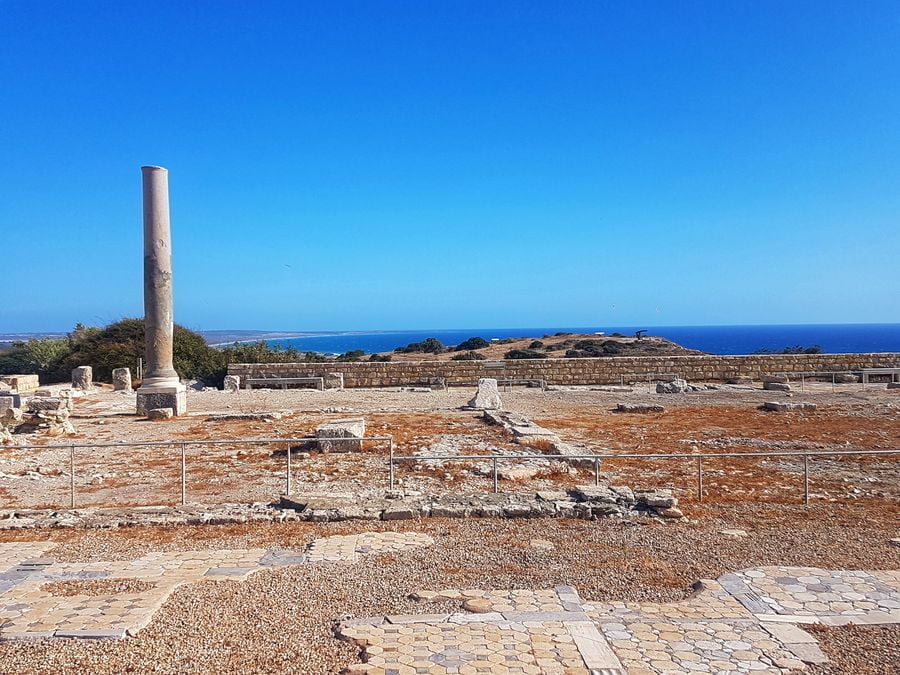
The Kourion Archaeological Complex is located near the village of Episkopi, which is part of the British overseas territory of Akrotiri, on the peninsula of the same name. It houses a British military base of approximately 1,300 soldiers. We will pass the barracks of this base on our left, approaching Kourion.
After crossing the border of the British enclave, we automatically pick up the BBCE radio from the car speakers and our watches go back 2 hours, adjusting to the GMT time in the UK. Despite the fact that we are de facto in Great Britain, the purpose of our trip is excluded from the management of the British administration and is an internally separated enclave, managed by Cyprus, in an already existing British enclave.
Kourion is actually not one, but three places that are part of this archaeological complex. Coming from the side of Paphos, we will first stop at the Sanctuary of Apollo Hylates, the second place will be the ancient stadium, several hundred meters away, or what’s left of it, but it is also worth stopping here for another reason. Finally, the third place is the actual ruins of the city of Kourion.
There is no clear data on the date of the city’s founding. It was probably 2000 BCE. At the same time, it is assumed that the city was founded by colonists from the Peloponnese and the city located on this peninsula – Argos, i.e. from the areas of ancient Greece, in the 13th century BCE.
Over the centuries, the city has emphasized its influential presence in Cyprus to such an extent that it has gained the status of a kingdom over a period of time.
During the wars, the strong status of the city allowed Kourion to conclude political or military alliances appropriate to it. Among other things, he supported the Persians when they invaded Cyprus and then stood by Alexander the Great when he waged a war with the Persians for… same Cyprus.
The greatest heyday of Kourion was in the first century BCE when the city was ruled by the Romans. Most of the monuments that have survived to this day that we can visit come from this period. On the other hand, the oldest discovered and preserved relics of the past date back to the 4th century BCE, i.e. from the Hellenistic times. As was the case in Palaipaphos, also here the end of the city was to be determined by min. series of strong earthquakes from the 4th century CE.
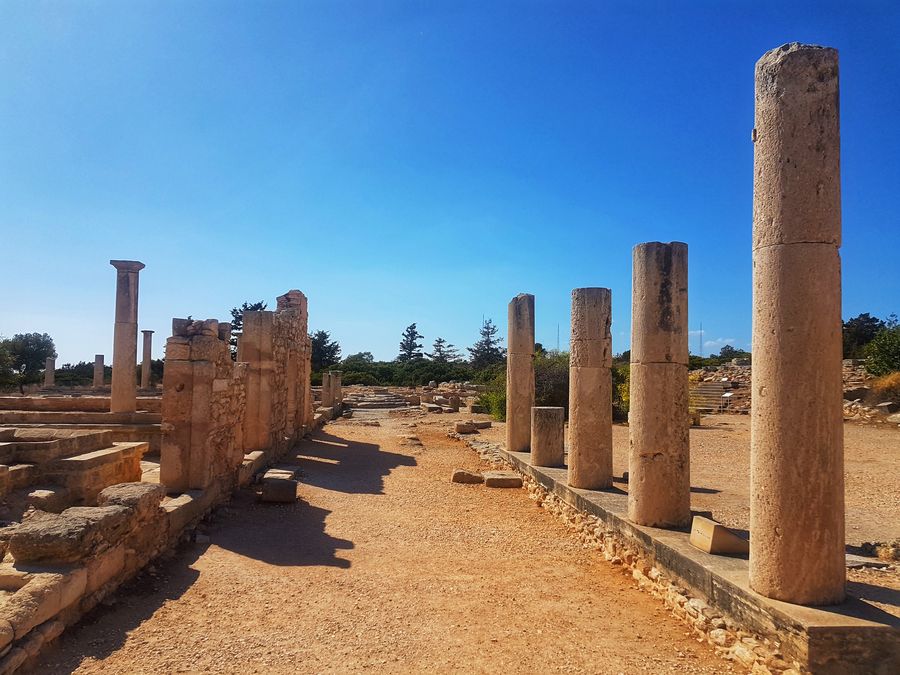
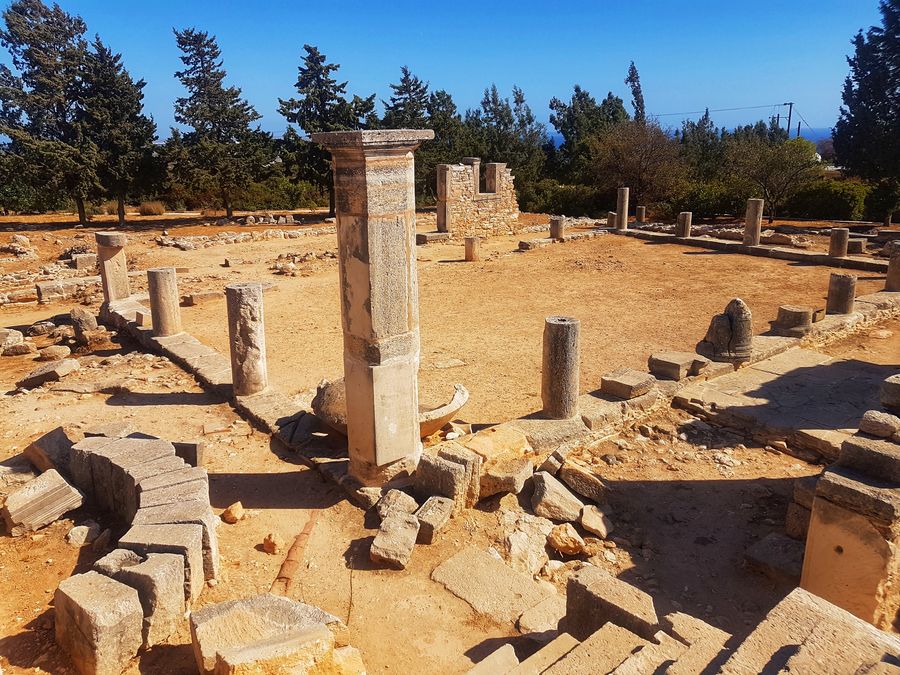
Visiting the archaeological complex of Kourion, if you go from Paphos, we start from the Sanctuary of Apollo Hylates, the god of forests. An admission ticket to this place costs € 4.50 and spend about 1 hour visiting this place.
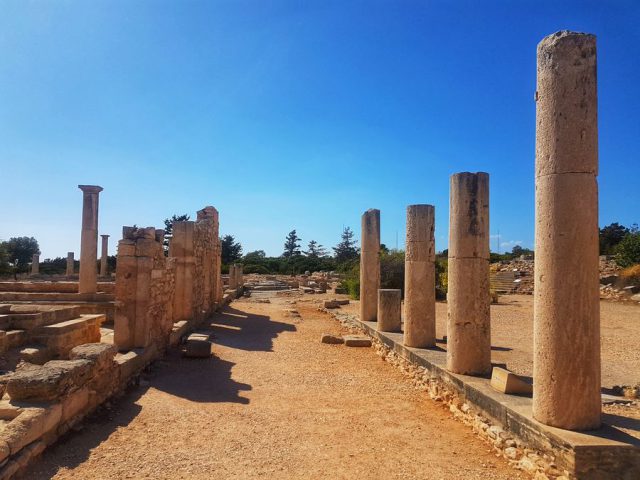
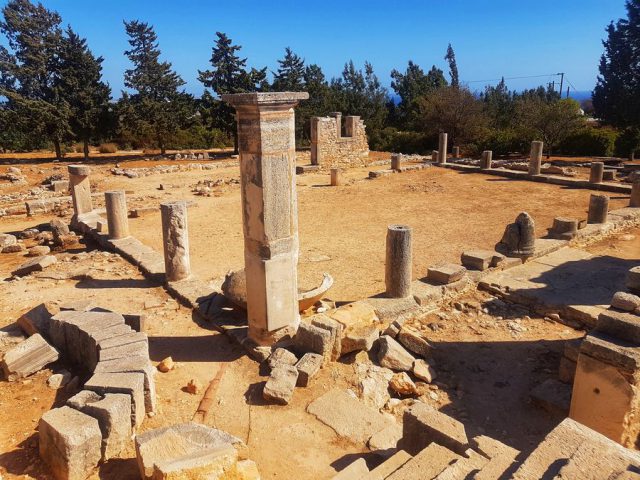
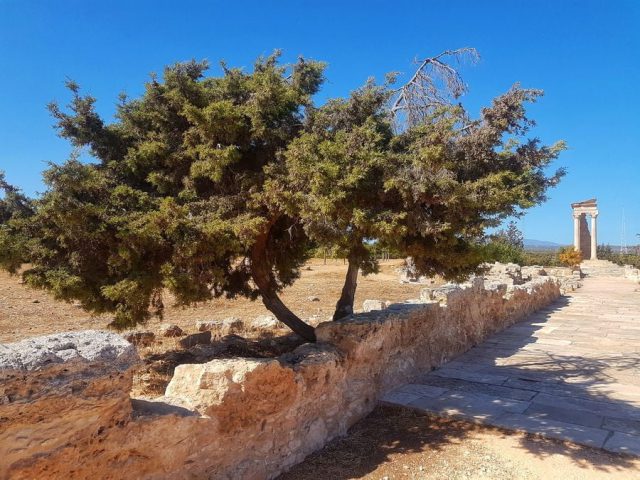
The size of the excavations is not impressive, but on the spot, we can see quite well-preserved remains of the buildings that make up this sanctuary.

We can see here, among others, the remains of the houses of priests, public baths and the majestic temple of Apollo from the Hellenistic times, which were built by the Romans during the city’s heyday.
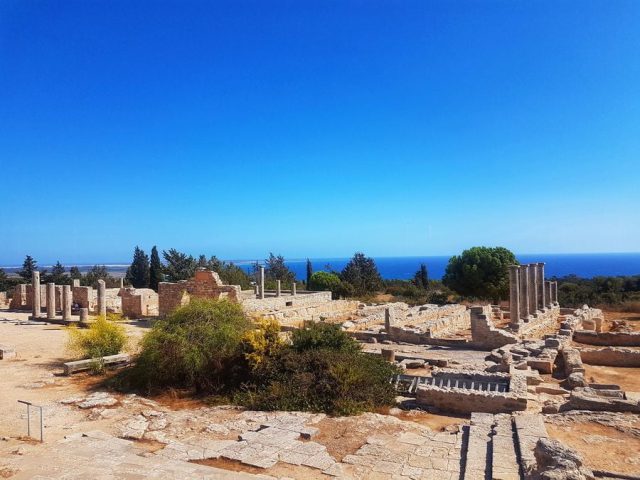
Over many centuries, where the origin of this place dates back to the 13th/12th century BCE. until the end of Roman rule, this place was an important centre of religious worship. 4th century CE numerous earthquakes and the development of Christianity, which forbade the worship of pagan gods, contributed to the fall of this sanctuary.
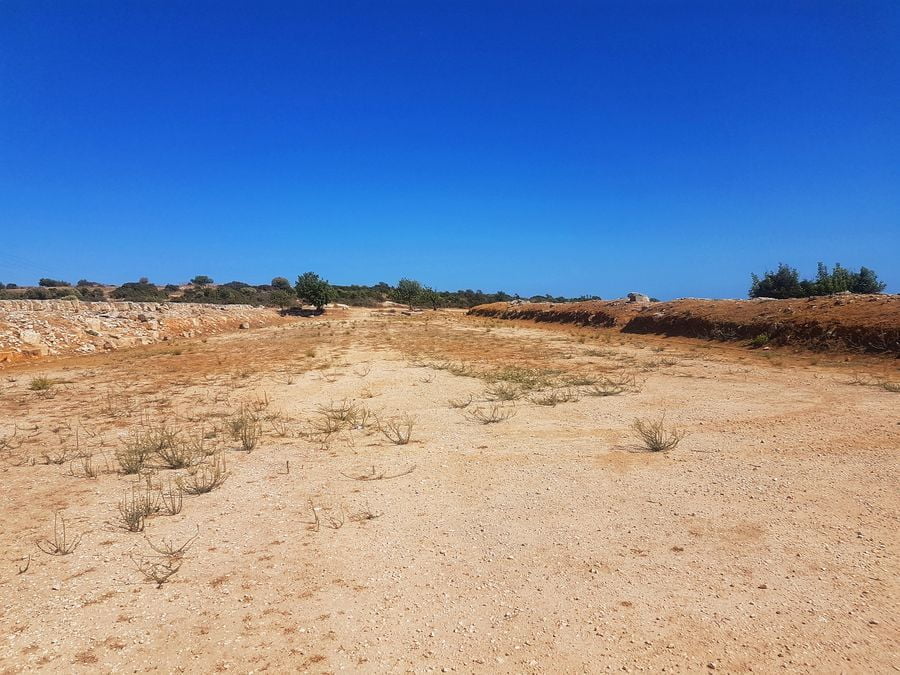
Ancient stadium from the 2nd century CE located about 500 meters from the Sanctuary of Apollo, it had stood for about 6,000 spectators. The facility was intended to host sports games. Today we can only see the embankment left by its stands and the main plate of the stadium.
Here, too, the stadium fell victim to numerous earthquakes from the 4th century CE, which also devastated this facility.
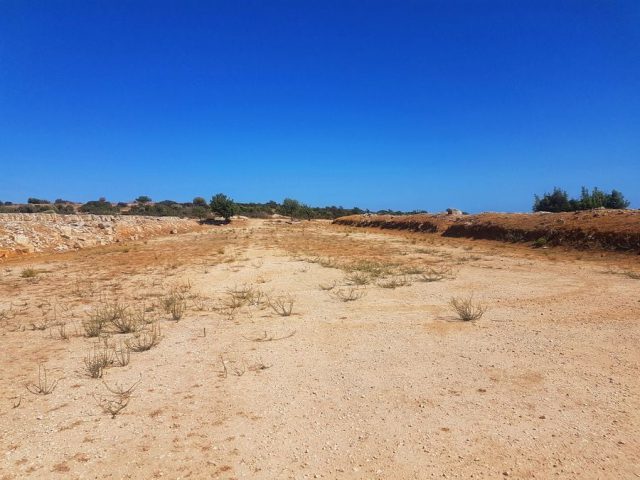
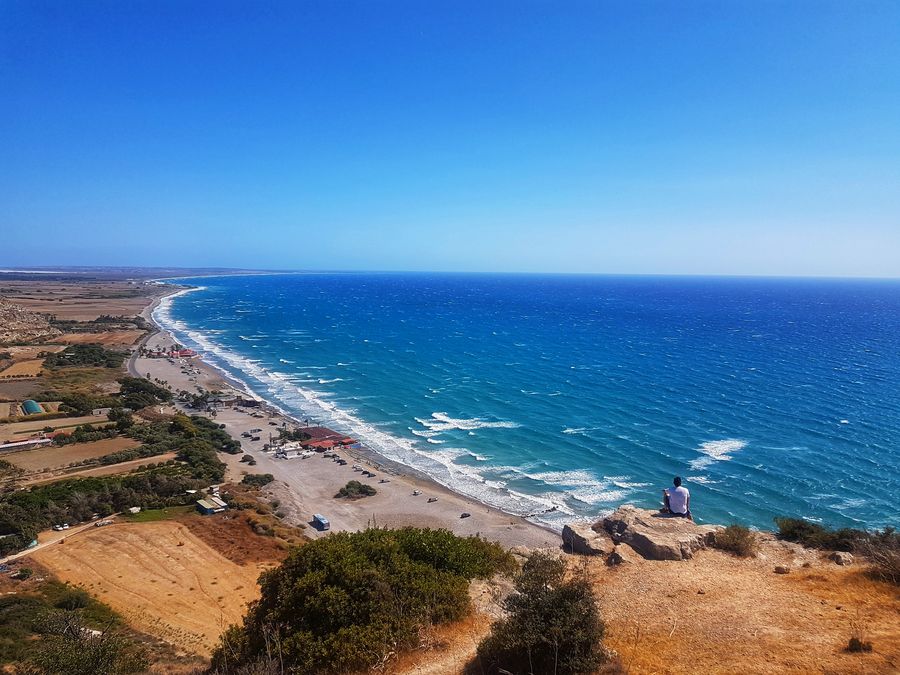
When you return to the parked car, it is worth going to the other side of the road. After walking several dozen meters on one of the paths, we will see such a view…
The last stage of the tour of the Kourion archaeological complex is the city proper, situated on a high hill and offering beautiful views. We leave the car in a large, free car park. Earlier, in one of the guard booths, before entering the parking lot, we have to buy an admission ticket for 4.50 €. At the main entrance, it is worth getting a map that will help us reach all the points that this archaeological complex has to show. To pass all the places marked on the map, and there are many of them, it will take us at least 2 hours.
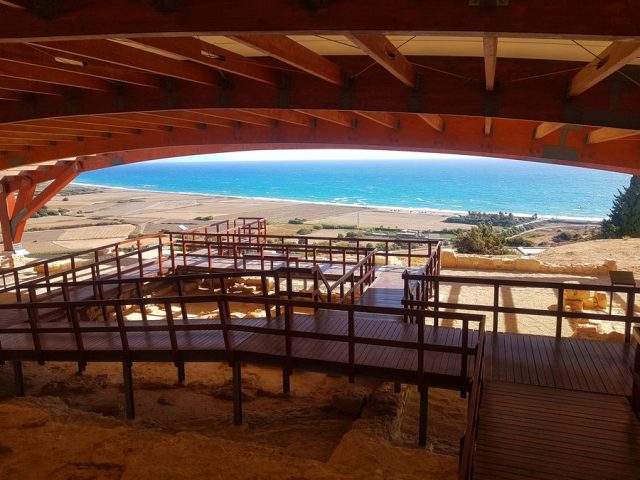
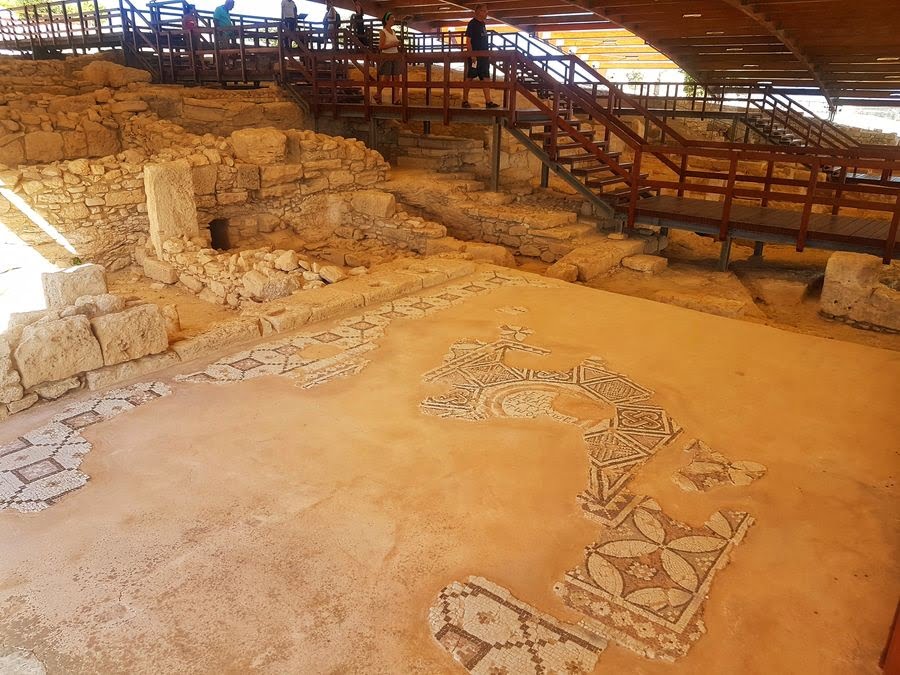
We start our tour from a large villa built at the turn of the 1st and 2nd centuries CE. and belonging to the wealthy Roman Eustolius. The entire area of the villa is under a roof, and a special landing, similar to that in the Kato Paphos Archaeological Park, allows us to admire quite well-preserved floor mosaics and fragments of foundations or walls of many rooms that make up this residence. The wealth of the host of this villa is evidenced by the fact that he had his own private bathhouse.
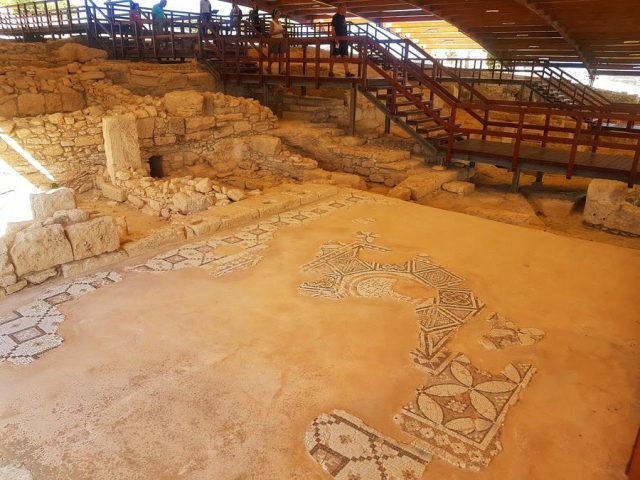
Following the sightseeing route, a little below the Eustolius villa is a Roman theatre from the 2nd century CE. It is worth resting here for a moment and thinking back to ancient times and imagining the fact that at that time someone watched a theatre performance in the same place as we are in…
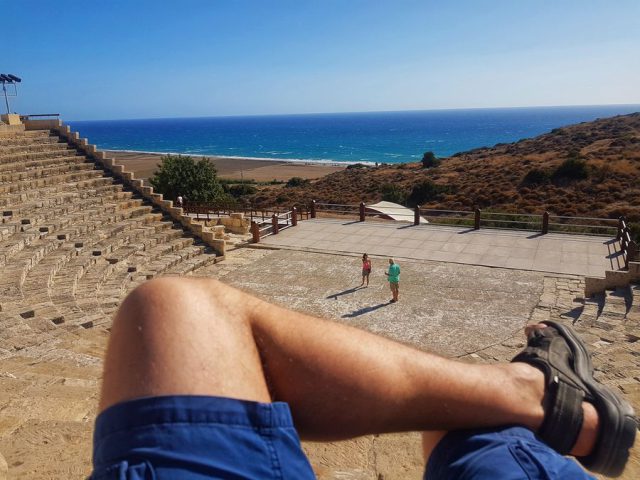
The audience, which could seat about 3,000 people, offers a wonderful view of the sea, which additionally enhances the atmosphere of this place. Surely, watching a theatre performance in such a setting with sunset must have been a unique experience.
The current technical condition of the theatre is due to the renovation that took place in modern times.
Going to the next points on the map, we pass the ruins of a typical bourgeois house. Although it does not impress with its panache, we can come to visit and see the layout of the rooms of this house. The host probably won’t mind anything?
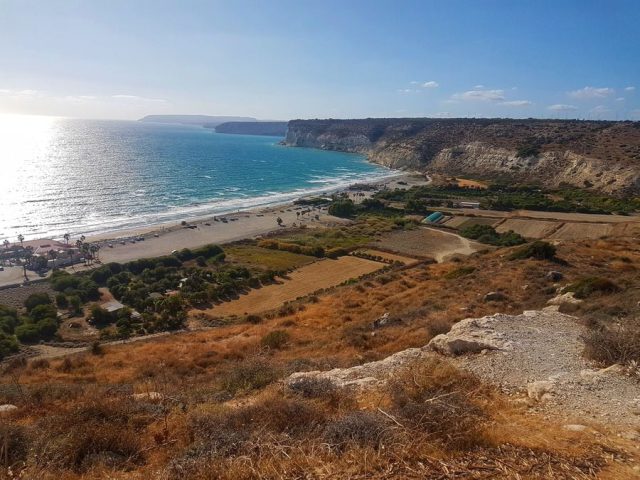
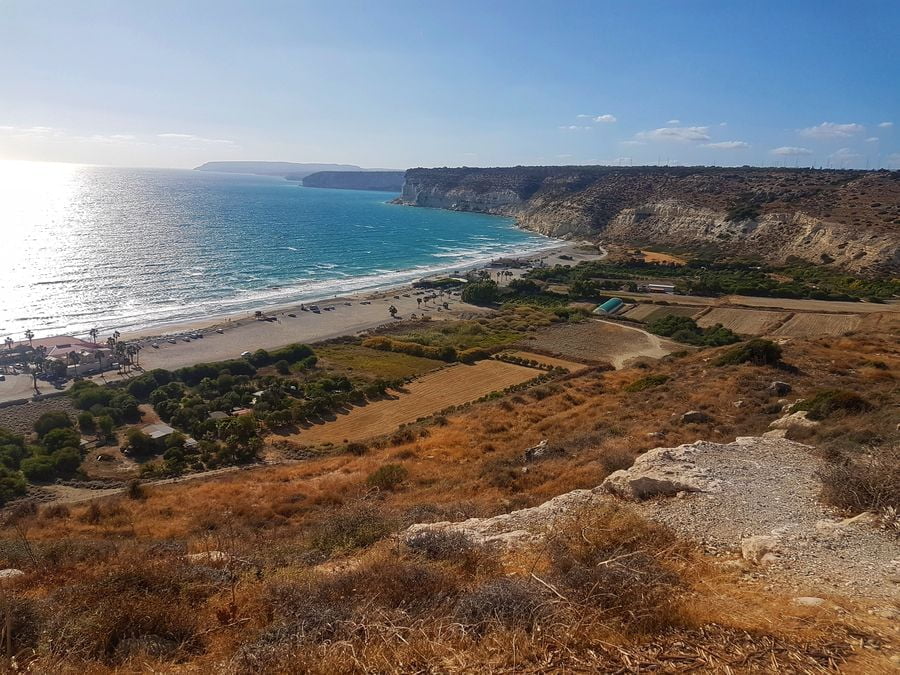
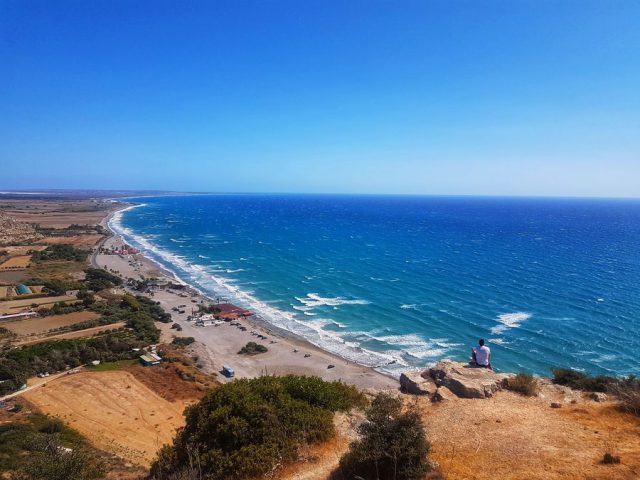
Before continuing the tour, it is worth climbing the nearby hill and admiring the amazing views of the Cypriot coast. Surely your eyes will be caught by the high cliffs protruding from the sea. After visiting the ancient stadium, it was from there that we watched Kourion Beach below and Kourion on the horizon.
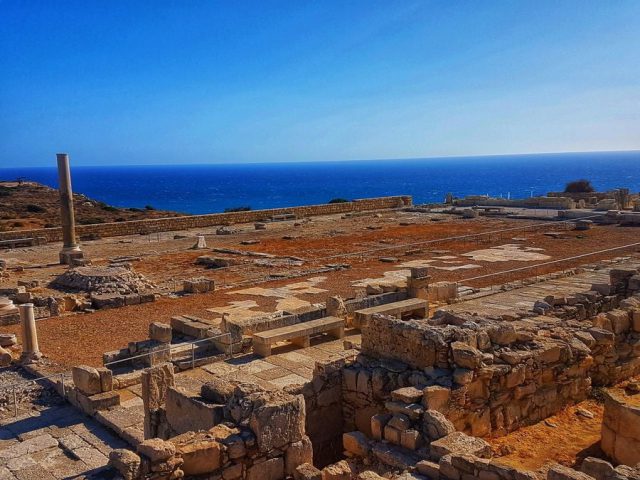
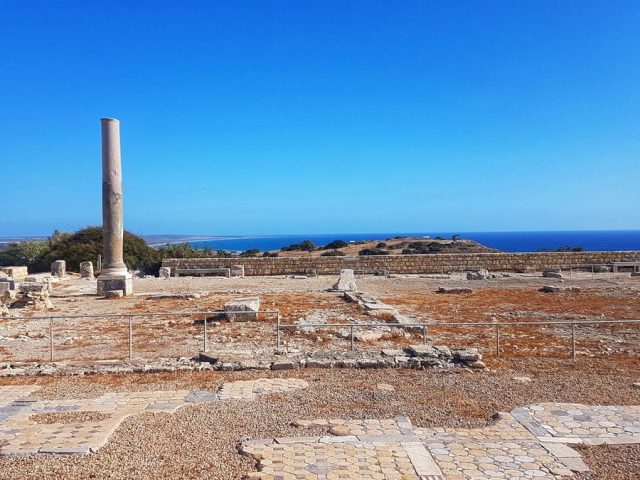
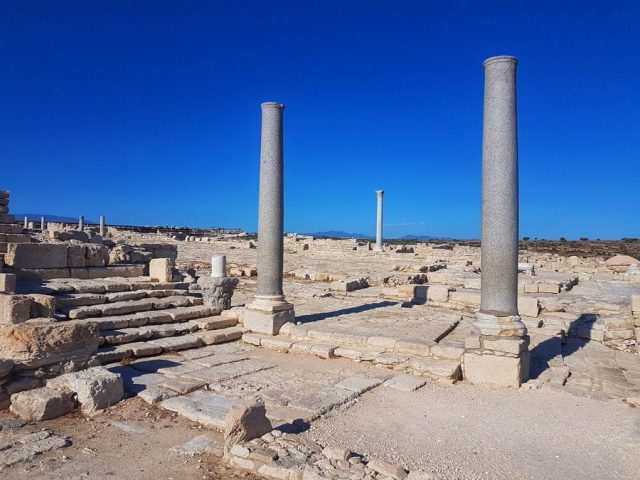
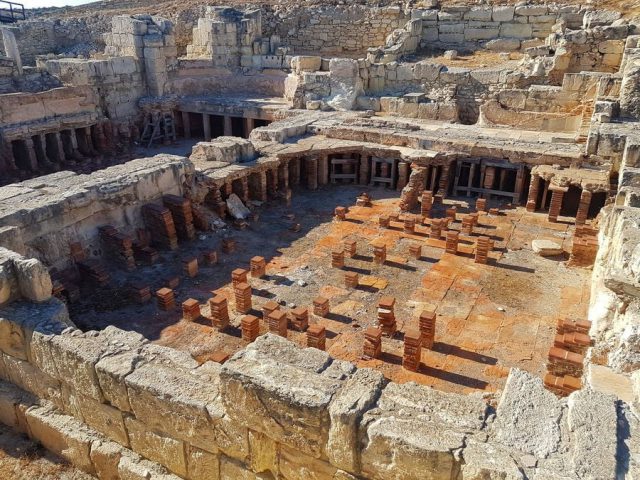
In the further stages of the trip, we will see the ruins of a magnificent and awe-inspiring early Christian basilica, the agora, i.e. the former city centre, and the city bathhouse of impressive size.
If you like the floor mosaics as much as you like, don’t end your tour at the baths, just walk a bit more to see other well-preserved such decorations. At the end of the tour, you will find two luxurious villas from Roman times. As was the case in the Kato Paphos Archaeological Park, there are also mythological mosaics, after which the houses containing them are named.
The first is the house of Achilles and the second is the house of the Gladiators. It is definitely worth walking up these several dozen meters here to see the excavated mosaics.
Despite the fact that the quality of the ancient objects preserved to this day is not the best, the size, space and area that the city occupied, facilities for its inhabitants, the number of other buildings that make up this city is truly admirable. This is only confirmed by the fact about the size and power of this ancient city. Notoriously infamous in earthquakes 4th century CE he contributed to the fall of this city as well.