Battle of Cannae
(2 August 216 BCE)
Battle of Cannae (216 BCE) was the biggest defeat of Roman army in history. Manoeuvre from Cannae was an innovative solution of Hannibal, the Carthaginian general.
If you have found a spelling error, please, notify us by selecting that text and pressing Ctrl+Enter.
Ancient Rome, a state engaged in intense territorial expansion, fought countless wars over the centuries. Well-trained and equipped Roman troops, led by outstanding strategists, were capable of defeating even much larger opposing armies. However, there were also painful defeats, such as the defeat at Cannae and the catastrophe in the Teutoburg Forest.
Rome confirmed its military might as early as the beginning of the 2nd century BCE, defeating the Macedonian army at Cynoscephalae in Thessaly in 197 BCE. Seven years later, at Magnesia in Asia Minor, Roman legions defeated the Seleucid forces – one of the greatest powers of the Hellenistic world – proving themselves to be the superior army in the region. The crisis of Roman military power began to become apparent in the 3rd century CE; As a consequence, the process of “Germanization” of the army and the decline in its combat value contributed to the decline of both the army and the Roman state itself.
(2 August 216 BCE)
Battle of Cannae (216 BCE) was the biggest defeat of Roman army in history. Manoeuvre from Cannae was an innovative solution of Hannibal, the Carthaginian general.

(72/73 CE)
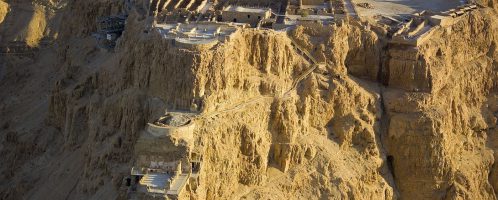
Siege of Masada (72/73 CE) performed by the Romans was one of the last points of resistance in the Jewish war. After the capture of the walls, a massacre appeared to the eyes of the Romans.