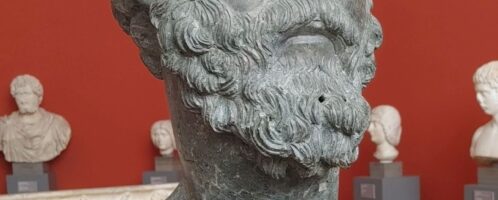
Roman sculpture depicting goddess Juno
Roman sculpture depicting the goddess Juno (Greek Hera). The object dates back to the mid-2nd century CE. The artifact is located in Ny Carlsberg Glyptotek in Copenhagen (Denmark).
If you have found a spelling error, please, notify us by selecting that text and pressing Ctrl+Enter.
Artifacts is a collection of curiosities dedicated to objects left behind by the ancient Romans. This category features lesser-known facts and interesting information about archaeological finds, such as tools, weapons, coins, inscriptions, and everyday objects, which provide a deeper understanding of life in the Roman Empire.
Roman sculpture depicting the goddess Juno (Greek Hera). The object dates back to the mid-2nd century CE. The artifact is located in Ny Carlsberg Glyptotek in Copenhagen (Denmark).
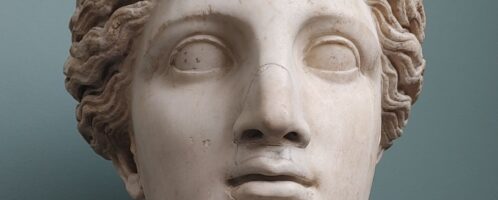
Roman sculpture of Flavia Domitilla – daughter of Vespasian. Object dated to 69-96 CE. The artifact is located in Ny Carlsberg Glyptotek in Copenhagen (Denmark).
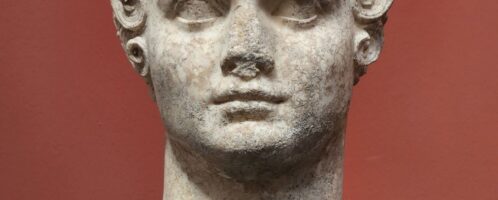
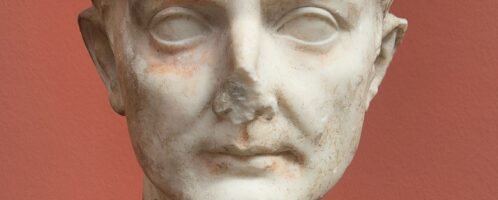
Roman sculpture probably depicting Emperor Nerva (reigned 96-98 CE), who took over after the death of Domitian and handed over power to Trajan. The artifact is located in Ny Carlsberg Glyptotek in Copenhagen (Denmark).
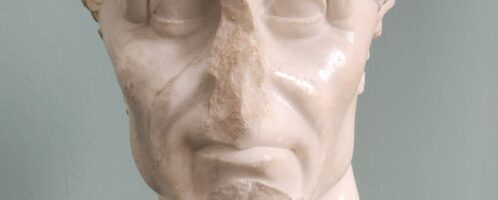
Bust of a Roman woman from 1st BCE – 1st century CE. Object discovered in Italy. The artifact is located in Ny Carlsberg Glyptotek in Copenhagen (Denmark).
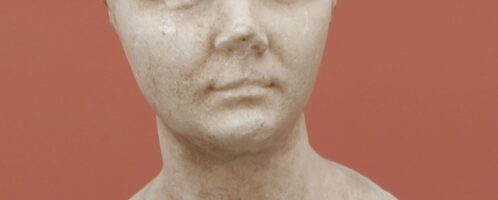
Carved head of Emperor Tiberius, who reigned from 14-37 CE. The object dates back to 10-20 CE. The artifact is located in Ny Carlsberg Glyptotek in Copenhagen (Denmark).
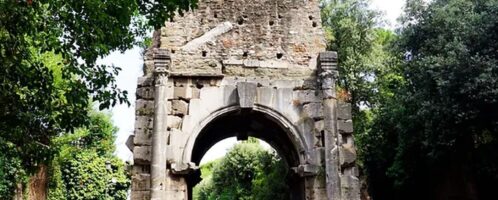
Many of you have probably seen a building in Rome called the “Arch of Drusus” or at least heard about it. It stands on Via Appia, at Porta San Sebastiano, on the inside of Aurelian’s walls.
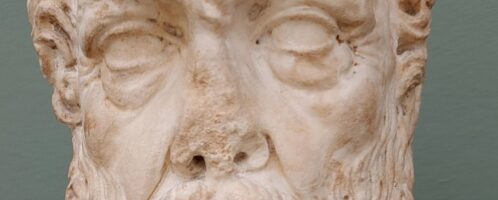
Roman sculpture depicting a Greek poet. The object is a copy of a Greek original from the 2nd century BCE. The artifact is located in Ny Carlsberg Glyptotek in Copenhagen (Denmark).
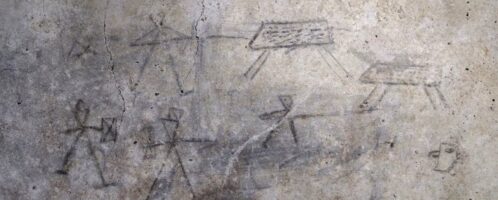
Scenes showing gladiators and hunters painted on the wall of a Roman house. The paintings were probably made by children using charcoal. The discovery was made in the so-called Casa del Cenacolo in Pompeii.
Roman sculpture showing a shepherd. The damaged object showed a figure playing a flute. Artifact dating back to the 1st century CE; is located in Ny Carlsberg Glyptotek in Copenhagen (Denmark).
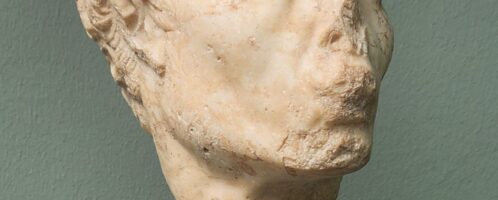
Emperor Septimius Severus (reigned 193-211 CE) on a Roman sculpture. The object was discovered in Turkey and is made of bronze. The artifact is located in Ny Carlsberg Glyptotek in Copenhagen (Denmark).