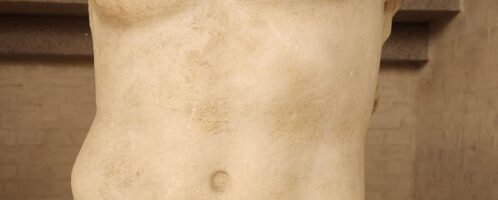
Sculpture showing torso of Hercules
Sculpture showing the torso of Hercules. The object dates back to Roman times and was inspired by the Greek original. The artifact is located in Ny Carlsberg Glyptotek in Copenhagen (Denmark).
If you have found a spelling error, please, notify us by selecting that text and pressing Ctrl+Enter.
Artifacts is a collection of curiosities dedicated to objects left behind by the ancient Romans. This category features lesser-known facts and interesting information about archaeological finds, such as tools, weapons, coins, inscriptions, and everyday objects, which provide a deeper understanding of life in the Roman Empire.
Sculpture showing the torso of Hercules. The object dates back to Roman times and was inspired by the Greek original. The artifact is located in Ny Carlsberg Glyptotek in Copenhagen (Denmark).
Roman sculpture depicting Satyr. The inscription under the sculpture informs that the full composition depicted a Satyr playing the flute. The object dates back to the 1st century CE. The artifact is located in Ny Carlsberg Glyptotek in Copenhagen (Denmark).
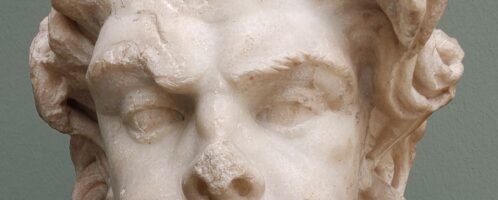
Roman sculpture showing a kneeling Parthian. The object dates back to around 20 BCE and was discovered in Afyonkarahisar (western Türkiye). The artifact is located in Ny Carlsberg Glyptotek in Copenhagen (Denmark).
Roman with a beard on a sculpture. The object dates back to the mid-2nd century CE; discovered in the Tomb of Licinius in Rome. The artifact is located in Ny Carlsberg Glyptotek in Copenhagen (Denmark).
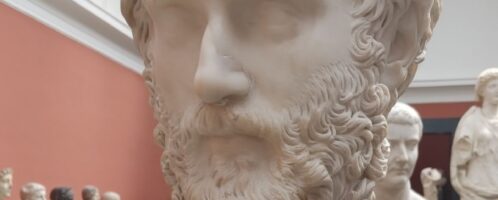
Roman sculpture depicting Mercury (Greek Hermes), the messenger of the gods. The object was discovered in Hadrian’s villa and dates back to the 2nd century CE. It is a copy of a Greek original from around 330 BCE. The artifact is located in Ny Carlsberg Glyptotek in Copenhagen (Denmark). The facility was restored in the 18th century.
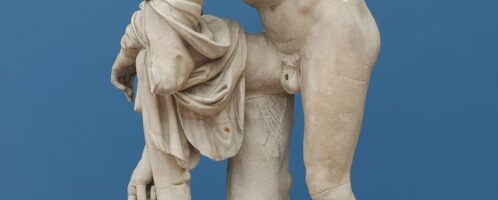
Roman sculpture depicting a Greek intellectual. The object is a copy of a Greek original from the 4th century BCE. The artifact is located in Ny Carlsberg Glyptotek in Copenhagen (Denmark).
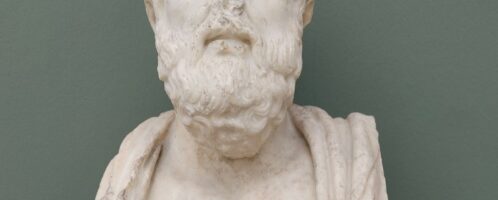
Sculpture showing a young man; perhaps Narcissus, Paris or Adonis. The object dates back to the 2nd century CE. The artifact is located in Ny Carlsberg Glyptotek in Copenhagen (Denmark).
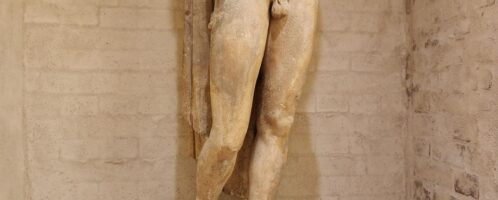
Roman bust of Lucius Verus, who ruled from 161-169 CE. The object was discovered in the Tomb of Licinius in Rome. The emperor was depicted in the sculpture as an 8-year-old child in 138 CE, when he was adopted by Emperor Antoninus Pius. Lucius wears a paludamentum, a long woolen military cloak. The artifact is located in Ny Carlsberg Glyptotek in Copenhagen (Denmark).
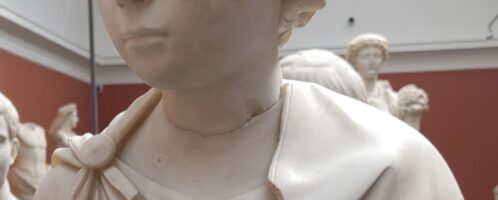
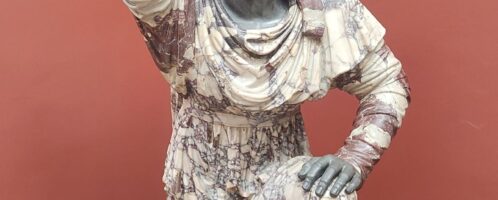
Roman sculpture showing a Roman. Object dated to 40-30 BCE; discovered in the Temple of Hercules in Cori (Italy). The artifact is located in Ny Carlsberg Glyptotek in Copenhagen (Denmark).
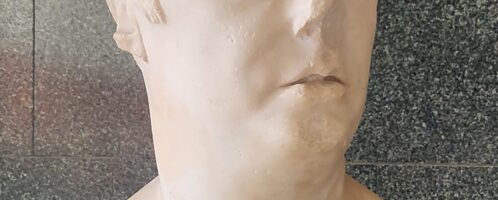
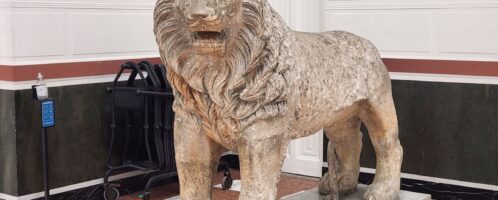
Limestone sculpture depicting a lion. The object dates back to the times of the Roman Empire. The artifact is located in Ny Carlsberg Glyptotek in Copenhagen (Denmark), and was discovered in northern Italy.