There are six species of hare found in Europe (Lepus europaeus, L. timidus, L. granatensis, L. castroviejoi, L. corsicanus, and L. capensis). Unlike their close relatives, rabbits, they have never been domesticated. Although their population has now declined significantly, hares were once a common sight, especially in rural areas. It’s no surprise, then, that they also appeared in almost all ancient cultures and mythologies – from Britain and Rome to Greece and Egypt and Persia.
In ancient times, the hare was a popular hunting target; it was considered an animal created to be prey for other creatures, whose only chance for survival was its extraordinary fecundity. This latter question in particular piqued the curiosity of such ancient scholars and thinkers as Herodotus, Aristotle, and Pliny the Elder. They observed and described a very rare phenomenon, occurring in hares, among others, which we now call superfetation (referring to the fertilization of eggs at different stages of the cycle – allowing the female to give birth to young at different times of the year). Of course, the level of knowledge at the time did not allow them to understand its nature, which is why they suspected that hares possessed magical abilities. According to Julius Caesar, the Celts considered hares sacred and did not consume their meat, while Cassius Dio mentions that the queen of the Iceni tribe, Boudica, used hares as prophets – the animal’s location was supposed to guide her actions during the anti-Roman uprising she led (60-61 CE).
The Romans themselves also believed that hares had divine connotations – they were associated with the goddess Venus/Aphrodite and Eros. Eating hares was believed to promote attractiveness, maintain a youthful appearance, and enhance one’s skills in the altar (it’s also worth mentioning that hare dishes were considered a luxury item). It’s said that wealthy Romans attempted to breed hares, but it’s uncertain whether this didn’t apply more to rabbits, which, as mentioned above, were successfully domesticated.
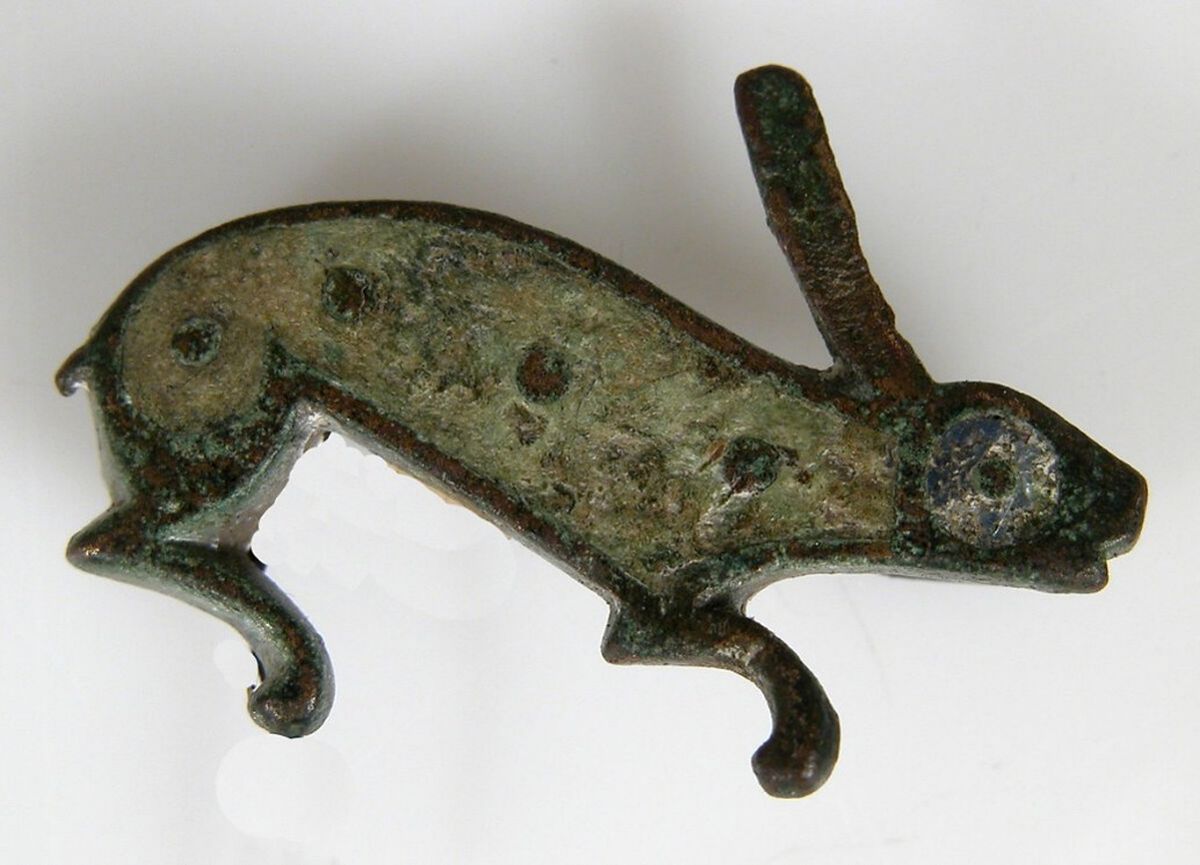
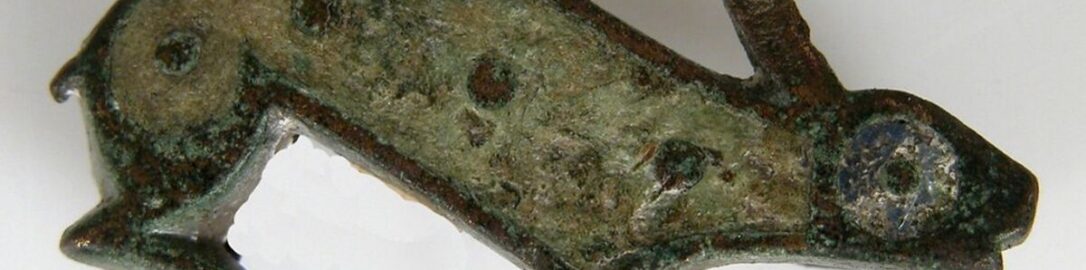
The hare also appeared prominently in ancient art – on mosaics, coins, vessels, brooches, and rings. Not surprisingly, jewelry depicting the hare, a symbol of fertility, was believed to favor the wearer in this sphere and was a popular gift for newlyweds.
-
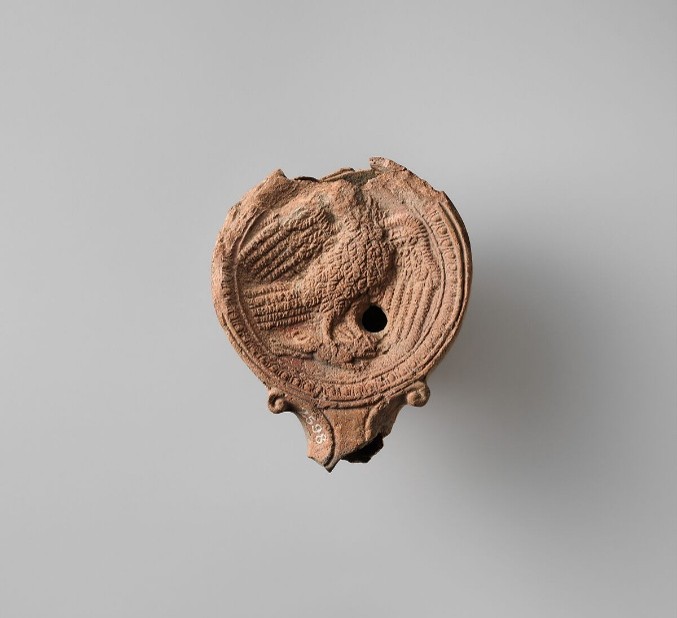
- Terracotta olive lamp with the image of a hare – early imperial period
-

- Running brown hares