In Republican Rome, there were no legal acts regulating conduct during warfare. However, in ancient times, warring states applied generally accepted customary law in this matter.
There were no standards (as there are today) regulating, for example, the protection of civilians. On the contrary, the Romans (and certainly not only them) believed that the “laws of war” required fighting not only against an enemy army but also destroying cities, crops, and killing and enslaving civilians.
Enemy property (res hostiles) that was within Roman territory during the war was treated as property belonging to no one (res nullius), so the Romans could acquire it through appropriation (occupatio).
Loot taken from enemies in their territory was auctioned off by the quaestors, and the proceeds went to the state treasury.
Loot captured during an assault on a city was either left to the legionaries or handed over to the tribunes, who divided the proceeds among all the soldiers.
In this connection, there are cases where certain items were first stolen from a Roman citizen by the enemy and then – after the enemy was defeated – became spoils of war. In this way, items originally belonging to the Romans, through the enemy, passed into the hands of Roman soldiers.
To remedy this, during the Republic, a special commission, the so-called recuperatores (from recuperare – to recover, to receive back), was established to recover stolen items. Over time, the recuperatores evolved into a collegial court with entirely different powers.
One of the common customs of war, respected by opposing states, was the inviolability of envoys. The neutrality of states not involved in the conflict was also respected.
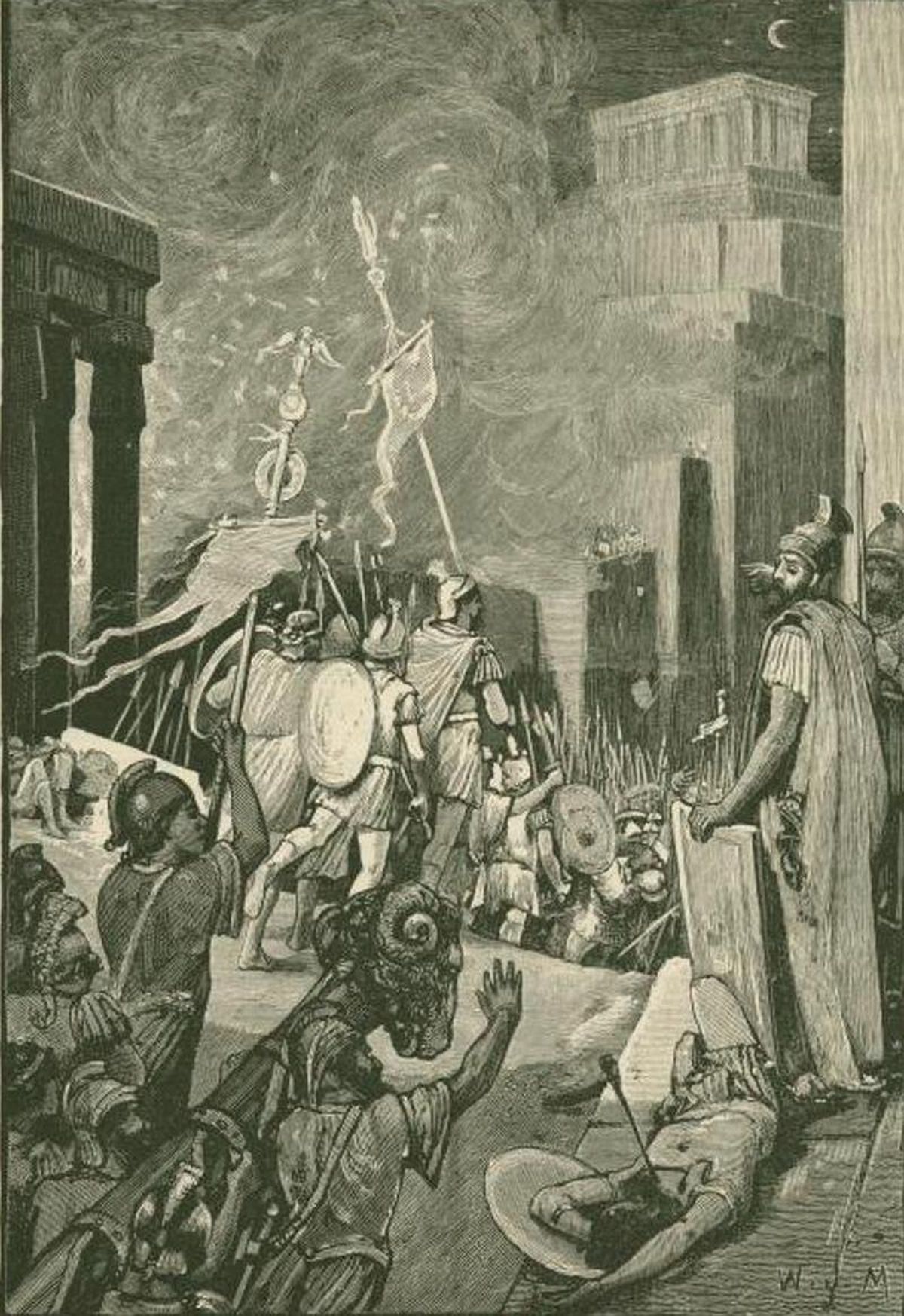
Sometimes, attempts were made to limit the destruction and plundering of temples. If accounts are to be believed, during the capture of Carthage in 146 BCE, Publius Cornelius Aemilianus Scipio Africanus (the Younger) permitted his soldiers to plunder everything except gold, silver, and temple offerings.
Similarly, efforts were made to uphold the principle that cities surrendering under siege were treated more leniently than those captured. Ultimately, however, the decision rested with the commander (or the soldiers themselves).
For example, during the siege of the Greek city of Phocaea in 190 BCE, the Romans failed to take it by force. Despite this, the Phocaeans decided to surrender, obtaining a promise from the besiegers that they would not be treated as enemies. However, the insubordinate legionaries began plundering the city. The Roman commander, Lucius Aemilius Regillus, tried (in vain) to prevent this, pointing out that “cities captured are plundered, not surrendered, and that this decision rests with the commander, not the soldiers.”
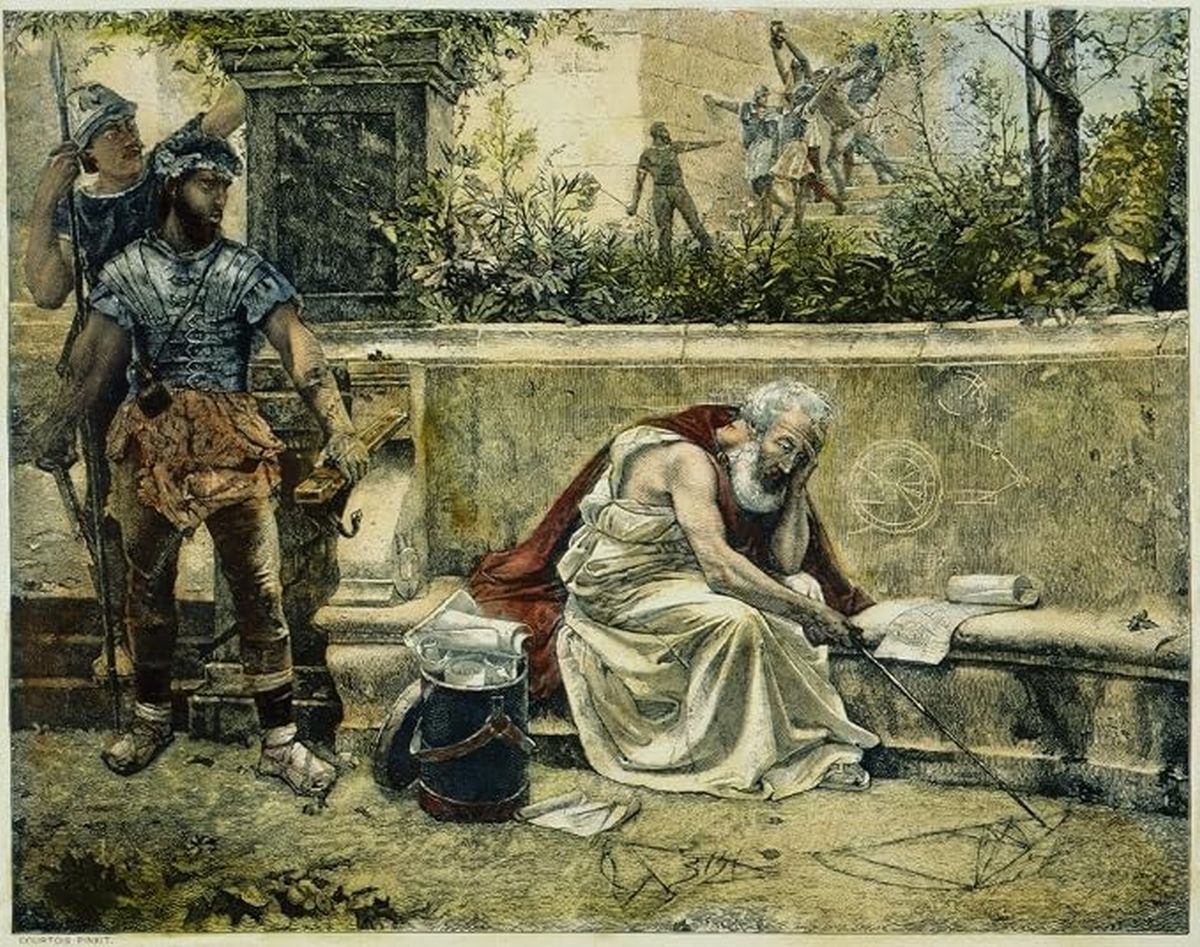
Also after the surrender of Syracuse in 211 BCE, Marcus Claudius Marcellus – who had previously promised the inhabitants that he would spare their city—ordered a pillage. He did forbid the burning of buildings and the murder of the population, but this proved to be of little use. It was then that the famous Archimedes perished, despite Marcellus’s orders to spare him. The city was completely sacked, and the Syracusans who had not been slaughtered were sold into slavery.
Finally, the Romans honored agreements made during the war, such as the army commander’s pledge (sponsio) and the truce (indutiae). Both types of agreements led to a de facto cessation of hostilities, even though the two states were still technically at war.
The primary purpose was to gain time to negotiate an agreement to end the war. However, truces sometimes lasted for many years.
-

- Death of Archimedes
-

- Conquest of Carthage