If you have found a spelling error, please, notify us by selecting that text and pressing Ctrl+Enter.

Discovery in Pompeii changes our understanding of Roman concrete

This post is also available in: Polish (polski)

Pompeii was deserted during the epidemic
Discovery in Pompeii changes our understanding of Roman concrete

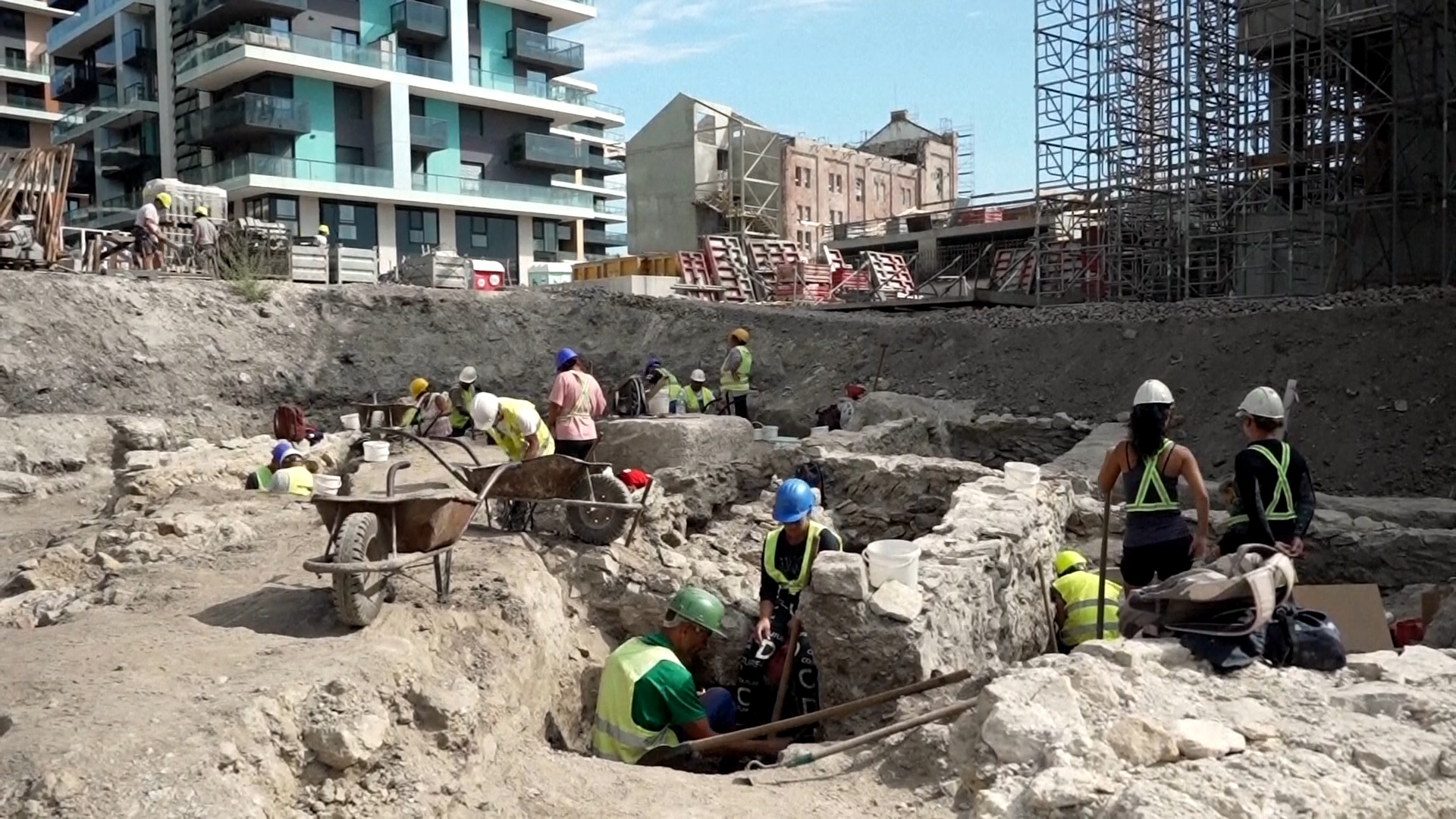
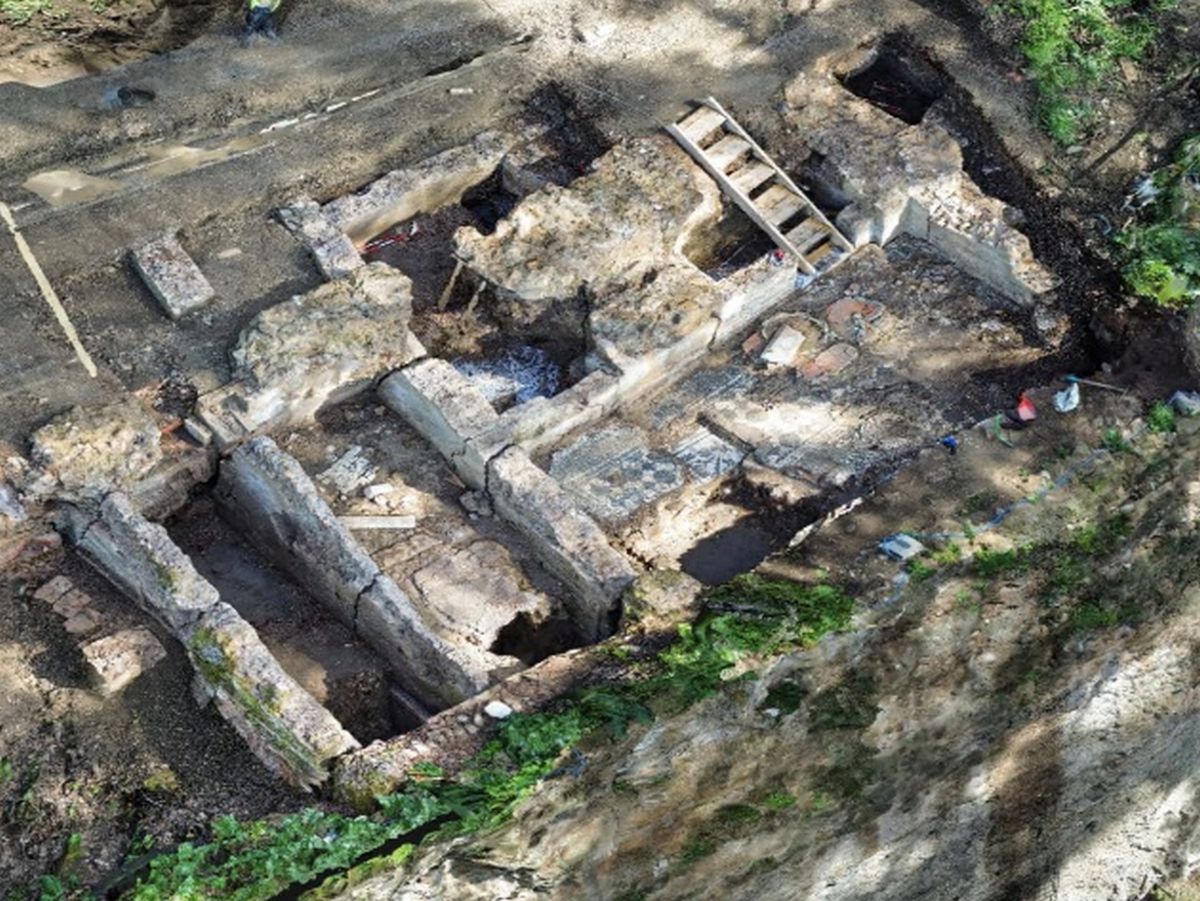
Archaeologists have discovered a nearly complete ancient construction site beneath the ruins of Pompeii. This unique find has allowed scientists to observe for the first time how the Romans prepared materials for building walls.

Chemical and microscopic analysis revealed that Roman workers mixed slaked lime with volcanic ash before adding water—a process known as hot mixing. This step generated heat and created microscopic limestone nodules that contributed to the mortar’s self-healing properties. This not only made ancient concrete incredibly durable but also capable of “healing” microcracks over time, with examples still visible 2,000 years later!

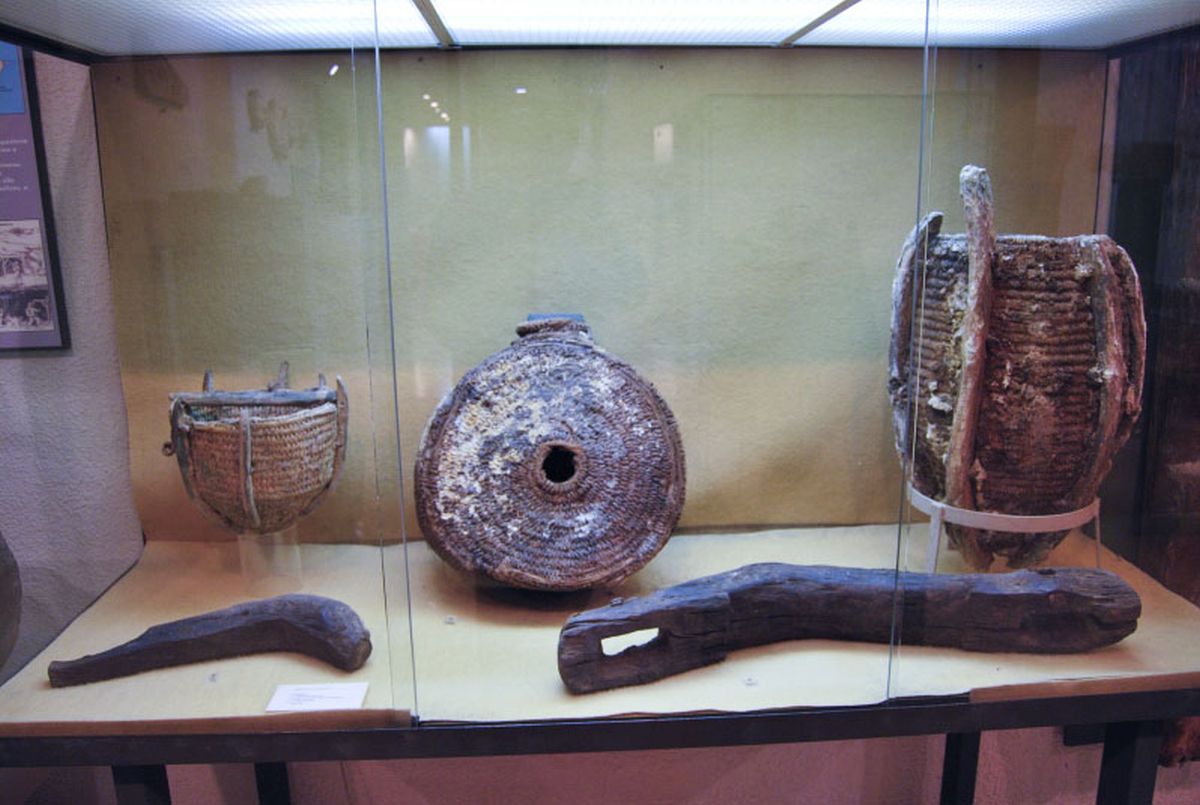
Furthermore, tools and materials were found alongside the dry ingredients at the worksite.

The discovery challenges previous historical interpretations, which relied heavily on descriptions by authors such as Vitruvius (De Architectura), and opens a new perspective on ancient construction technologies.
Sources

IMPERIUM ROMANUM needs your support!

If you like the content that I collect on the website and that I share on social media channels I will be grateful for the support. Even the smallest amounts will allow me to pay for further corrections, improvements on the site and pay the server.

Support IMPERIUM ROMANUM!

Support IMPERIUM ROMANUM!

Discover secrets of ancient Rome!

If you want to be up to date with newest articles on website and discoveries from the world of ancient Rome, subscribe to the newsletter, which is sent each Saturday.

Subscribe to newsletter!

Subscribe to newsletter

Spelling error report

The following text will be sent to our editors: