Chapters
Archaeologists in Scotland have made a remarkable discovery that once again demonstrates just how far north the Roman Empire reached. Beneath domestic gardens in the village of Bearsden, the remains of a previously unknown Roman military fort associated with the Antonine Wall – the empire’s northernmost frontier – have been discovered.
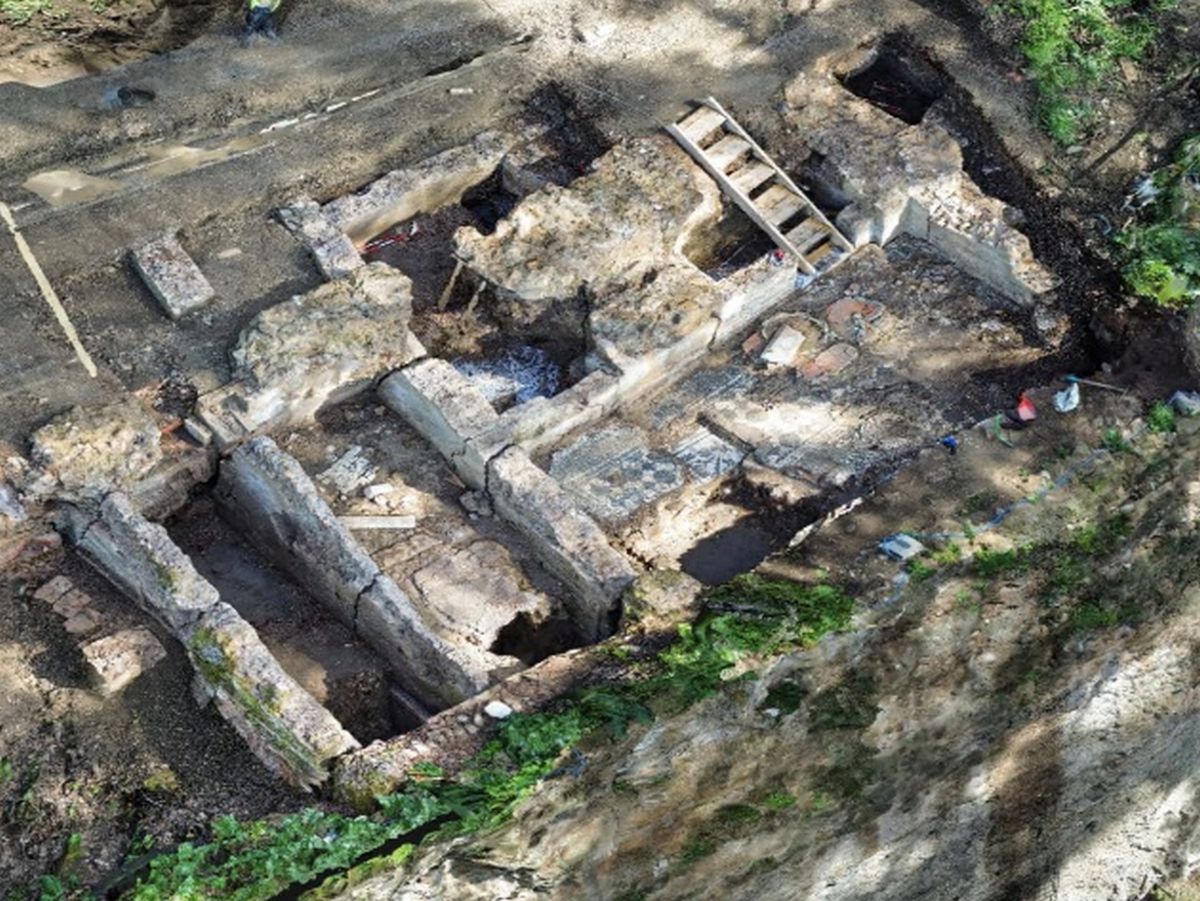
The discovery is all the more surprising because for decades no one suspected that beneath the quiet residential district might lie relics of Roman presence dating back almost 1,900 years. Researchers discovered stone structures, fragments of fortifications, and a defensive ditch, likely belonging to a small military outpost.
Forgotten watchtower at edge of Empire
Archaeologists believe the discovered structure was a small fort that was part of the Antonine Wall defense system. The structure was intended to control population movement and warn of threats approaching from the north.
The Antonine Wall was built around 142 CE on the orders of Emperor Antoninus Pius. It stretched across central Scotland and was intended to mark the northern border of Roman Britain. Although Hadrian’s Wall is now much more famous, it was the Antonine Wall that, for a time, constituted the outermost boundary of the entire Roman Empire.
Discovery beneath ordinary gardens
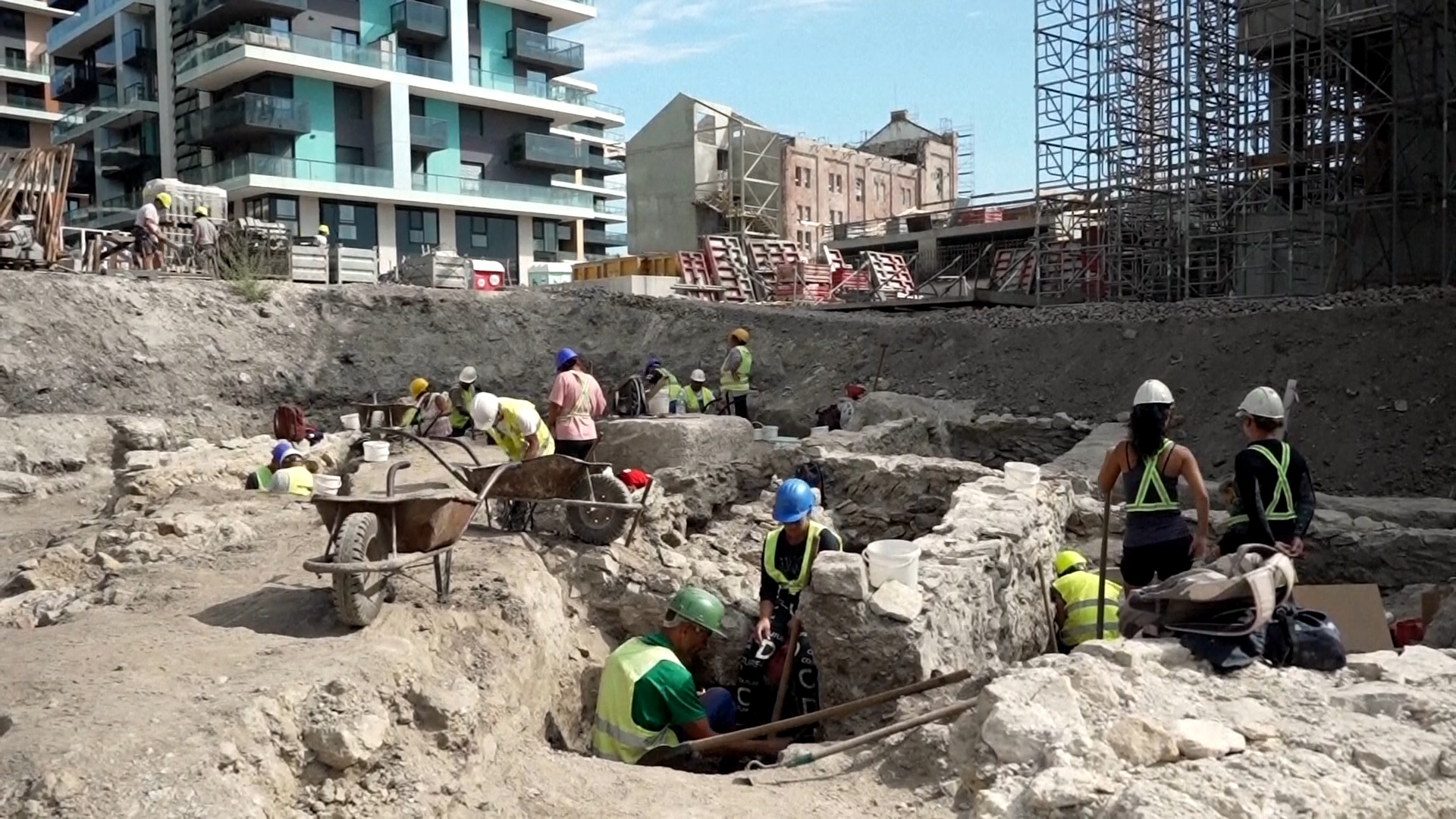
The context of the discovery is most remarkable. The remains of a fort were discovered beneath three private gardens on Boclair Road in Bearsden. The excavations began as part of planning work, and such significant finds were initially unanticipated.
Archaeologists discovered a stone base, likely supporting earthen and timber fortifications, and a section of a defensive moat. Even timber elements, which were radiocarbon dated, were preserved within the moat. The results indicated a period from the 2nd to 3rd centuries CE, when the Romans maintained control of the region.
Frontier Rome couldn’t hold
Although the Romans built the Antonine Wall, their rule in this part of Britain was short-lived. After only a few decades, the empire retreated south, once again relying on Hadrian’s Wall for defense. The northern lands remained outside of Rome’s permanent control, and local tribes continued to resist imperial expansion.
This is why each new discovery related to the Roman presence in Scotland is of great interest to historians, as it allows for a better understanding of what life was like for soldiers stationed at the very edge of the known world.