Monetary propaganda of Emperor Domitian
Reign of Domitian (81–96) is an interesting and at the same time controversial period in the history of the Roman Empire. Writers from senatorial circles described the emperor as cruel and authoritarian.
If you have found a spelling error, please, notify us by selecting that text and pressing Ctrl+Enter.
Politics and Events is a category dedicated to the key processes, decisions, and events that shaped the history of ancient Rome. Here, you’ll find articles on the formation of the Republic and Empire, political struggles, reforms, conspiracies, and key historical events that shaped the fate of the Roman Empire. The articles explore both high-level politics and pivotal moments in Roman history, placing them within their broader social and historical context.
Reign of Domitian (81–96) is an interesting and at the same time controversial period in the history of the Roman Empire. Writers from senatorial circles described the emperor as cruel and authoritarian.

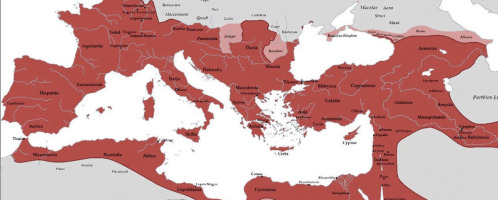
The year 31 BCE began a new stage in the history of the Roman state. Octavian’s success, crowned in 27 BCE, created a new political system – the empire.
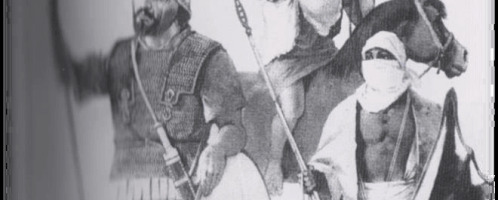
In the history of the principate, there were revolts of the provincial population, most of which had a small range and could not permanently threaten the security of the Empire. An example was the fights in Africa, where in 17 CE the Numidian Tacfarinas, a former auxiliary soldier, stood against the Roman authorities.
Marcus Junius Brutus seems to be one of the most recognizable figures in the ancient world. His image has been deeply rooted in literature, theatre, cinema and widely understood popular culture. Due to such great popularity, many myths and misunderstandings have arisen around his character. It can be said that he fell victim to his fame, both in life and after death.
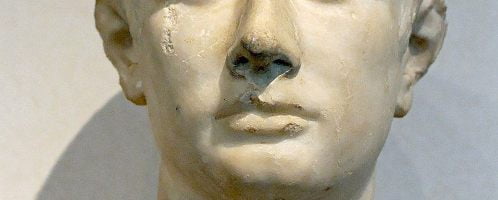
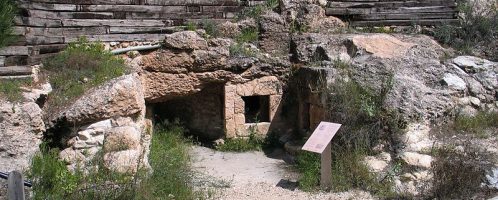
Any military and political activity by the Romans in the Arabian Peninsula is related to the actions taken by Emperor Octavian Augustus. The Roman legions, however, never conquered the territories of Arabia, which was largely dictated by the harsh climatic conditions and problems with food supply at a long distance.
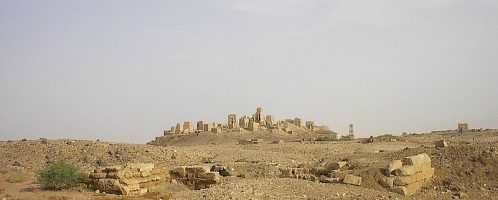
The Edict of Caracalla, also known as Constitutio Antoniniana, was a document issued in 212 granting all free inhabitants of the Roman Empire (except peregrini dedicti1) rights Roman citizens. The name of the edict comes from Caracalla, meaning Marcus Aurelius Antoninus, Roman emperor credited with the document.

When in 58 BCE Julius Caesar was starting his military campaign in Gaul, no one expected a Roman to lead of his legions in just two years he will conquer virtually all of Gaul. At the news of Caesar’s great victory in GaulSenate, at the request of the 2 remaining triumvirs in the capital (Crassus and Pompey) announced over 2 weeks of thanksgiving prayers; the Games were also organized for the Roman people.
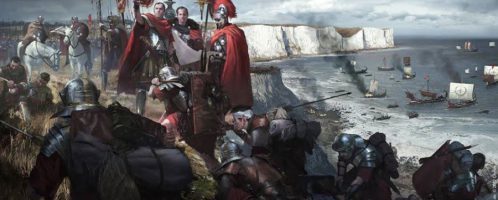
Rome’s power, which lasted more than ten centuries, began in 753 BCE. After the destruction of Troy, Aeneas fled a cursed earth ravaged by the Achaean storm. His journey ended only in distant Italy, where he decided to found a new city.
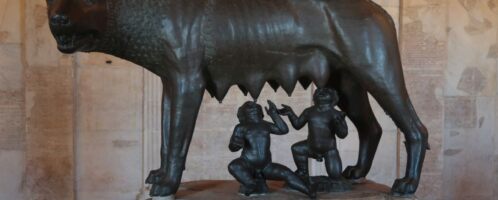
The figure of Hannibal as Rome’s greatest enemy is fairly well known to that learning ancient history. Recognized as one of the greatest leaders of antiquity, the winner of Kann, Trebia or Lake Trasimeno, however, disappears from textbooks with the final defeat of Carthage in the Second Punic War and defeat at Zama in 202 BCE Sometimes it seems as if Hannibal died in this battle because in school notebooks it is often the last event related to a Punic chief.