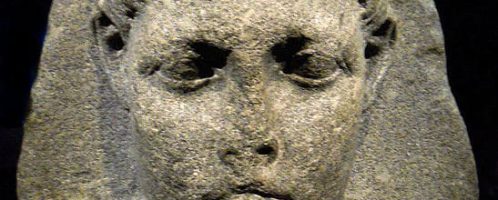
Elius Aristides
(26 November 117 - c. 180 CE)
Aristides was a leading representative of the second sophistry, an intellectual current developed during the early Roman Empire.
If you have found a spelling error, please, notify us by selecting that text and pressing Ctrl+Enter.
Other Figures of Ancient Rome is a category dedicated to individuals who were not emperors but played a significant role in the history of the Roman Empire. Here you’ll find articles about politicians, generals, officials, philosophers, lawyers, artists, women, and everyday figures of the ancient world. The articles explore their activities, significance, and influence on Roman society, culture, and history. This complements the picture of antiquity with supporting figures, without whom the empire would not have been able to function.
(26 November 117 - c. 180 CE)
Aristides was a leading representative of the second sophistry, an intellectual current developed during the early Roman Empire.
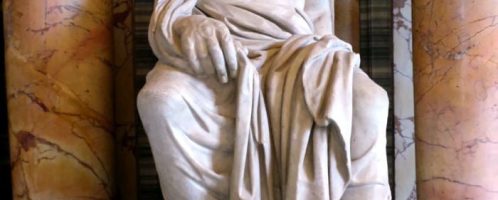
(12 February 41 - 11 February 55 CE)
Britannicus was the son of the emperor Claudius and Messalina. He received the nickname to celebrate the conquest of Britain by his father in 43 CE. He was murdered by order of Nero, as a rival to the throne.
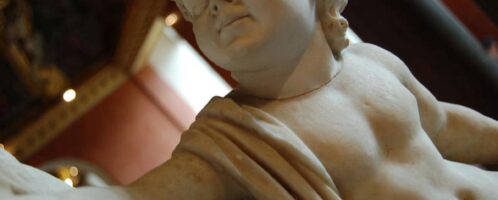
(? - c. 62 CE)
Lucius Cecilus Iucundus was a Roman banker who lived in Pompeii in the years 20-62 CE. Some of his house and bills have survived to our times.

(17 BCE – 20 August 2 CE)
Lucius Julius Caesar was the son of Marcus Agrippa and grandson of Emperor Augustus. Anticipated as a successor to power, he died unexpectedly in 2 CE.
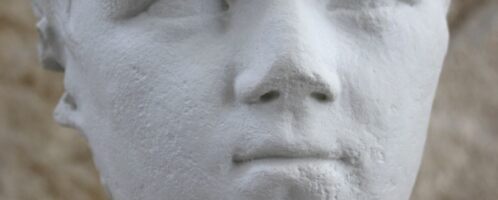
(20 BCE – 24 February 4 CE)
Gaius Julius Caesar was the son of Marcus Agrippa and grandson of Emperor Augustus. Anticipated as a successor to power, he died unexpectedly in 4 CE.

(c. 238 - c. 148 BCE)
Masinissa was the first king of the Numidians (202-148 BCE). His state included the present territories of eastern Algeria and western Tunisia.