Nutritional secrets of gladiators
In 1993, an ancient cemetery was found in Ephesus (western part of Turkey), the former capital of the Roman province of Asia. Scientists had two suspicions suggesting that this is a mass grave of gladiators.
If you have found a spelling error, please, notify us by selecting that text and pressing Ctrl+Enter.
Unknown Facts are curiosities revealing little-known, surprising, or rarely discussed information from the world of ancient Rome and antiquity. This category includes unusual details, curiosities, and facts that offer a less obvious perspective on the Roman Empire.
In 1993, an ancient cemetery was found in Ephesus (western part of Turkey), the former capital of the Roman province of Asia. Scientists had two suspicions suggesting that this is a mass grave of gladiators.
As for Easter itself, we can mention after Gerald L. Berry that the roots of this holiday can also be found in ancient Rome. Around 200 BCE cults popular in Greece began to gradually appear in Rome. One of them was Cybele – the Phrygian goddess of fertility, spring and defensive cities, the guardian of the dead and her companion – Attis, the god of vegetation, spring.

“Town crier”, so a person verbally announcing various information (i.e. public notices), was present not only in the Middle Ages. In ancient Rome such a person was called as praeco (plural praecones).
Currently there is great admiration for ancient Greeks or Romans. Their culture or level of civilization is admired; also medicine. However, it cannot be denied that in the latter field the ancients were not always right, especially when it comes to the functioning of our body.
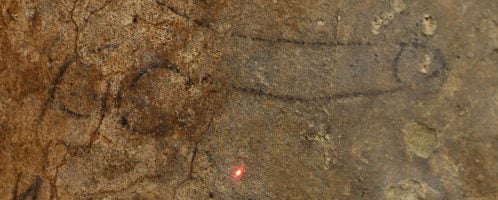
In 2013, during conservation work on the wall of the corridor at the Colosseum, scientists noticed a previously overlooked drawing of a phallus erection – dated to the third century CE. It turns out that ancient supporters inscribed such phalluses on the walls to ensure the success of their favorites, i.e. gladiators. What else did the Romans place on the walls?
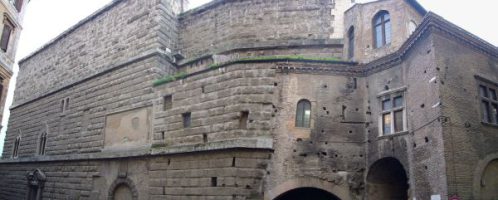
Suburra was part of ancient Rome, located in a valley between the southern end of Viminal and the western slopes of Esquiline. In ancient times, at first it was a separate settlement, then incorporated into Rome, finally became a crowded district inhabited by the urban poor (very often in insulae). Suburra was also known as the Red Light District.
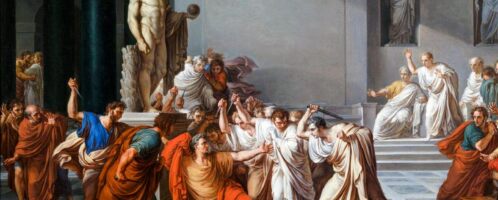
After the murder of Julius Caesar on March 15, 44 BCE, the conspirators originally planned to expel the former dictator’s body in the Tiber. Ultimately, however, for unknown reasons, they left his bloodied body in Pompey’s theater. Thanks to this, the doctor Antistius could perform an autopsy.
How did the Romans cope with their diseases and were they even aware of their aetiology? The answer to this is the “De Re Rustica” of Terentius Varro. This may surprise us, but hundred years ago we were aware of the presence of microorganisms and their pathogenic effect on humans!
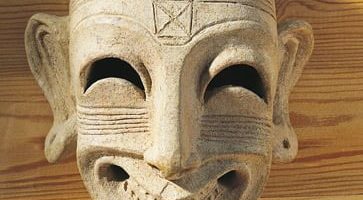
The ancient author, Isidore of Seville in his work (Etymologiarum sive originum libri XX) mentions a surprising plant – herba sardonica – which was supposed to have surprising lethal properties. The victim who took a decoction from this Sardinian herb died with a smile on his face.
Marcus Aurelius, after the death of his wife, Faustina, who was younger than himself, was to resist the next marriage. He explained that he wanted to avoid any pressure from his stepmother on numerous offspring (Faustina and Aurelius had at least 12 children).