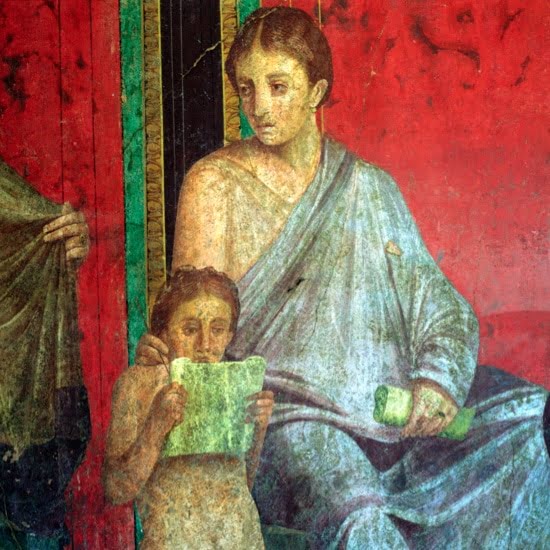
Archaeologists discover "little Pompeii" in France | Photo: AFP
Archaeologists are conducting excavations on the outskirts of the French city of Vienne, in the southeast of the country. The researchers refer to the study area as ‘little Pompeii’.
Specialists say that it is one of the most interesting Roman discoveries carried out in the last 40-50 years. The city of Vienne – Sainte Colombe to be precise – is famous for its Roman theatre and temple as well as residential houses dating back to the 1st century CE. Roman monuments cover an area of 7,000 square meters. Scientists believe that the buildings were inhabited for almost 300 years, but with subsequent fires, they were abandoned. Thanks to the ashes after the fire, many objects have been well preserved to our times.
Among the interesting objects in the “little Pompeii” is a villa – probably a rich merchant – with a floor mosaic showing a procession of maenads, Bacchus worshipers and satyrs. The house had balustrades, marble cladding, wide gardens and a sewage system. Unfortunately, these elements have survived only partially.
Another uncovered structure is a large public fountain decorated with a statue of Hercules, which was located in the market.
Excavations have been carried out since April this year and are expected to last until the end of the year. Now the aim of the excavation is to dig deeper into the earth and excavate the area where the workshops functioned.
- Archaeologists uncover 'little Pompeii' in southeast France, "9News", 2.08.2017