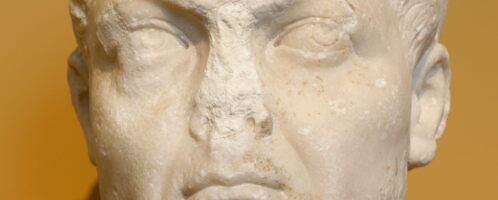
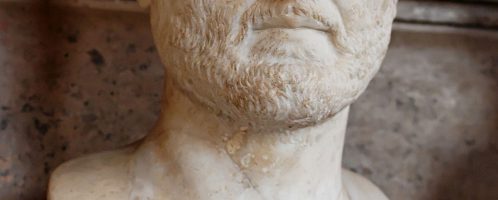
Septimius Severus
(11 April 145/6 – 4 February 211 CE)
Septimius Severus was Roman emperor ruling in 193-211 CE. He won the civil war and stabilized the situation in the state after the death of Commodus. He began a new dynasty - Syrian.
If you have found a spelling error, please, notify us by selecting that text and pressing Ctrl+Enter.
The emperors of ancient Rome were the center of the political, military, and religious power of the Roman Empire. In this category, you’ll find articles devoted to Rome’s rulers – from Augustus to the last emperors of the West and East. The texts present the emperors, their reigns, reforms, conflicts, domestic and foreign policies, and their influence on the fate of the state. This is a compendium of knowledge about the people who shaped Rome’s history over the centuries.
(11 April 145/6 – 4 February 211 CE)
Septimius Severus was Roman emperor ruling in 193-211 CE. He won the civil war and stabilized the situation in the state after the death of Commodus. He began a new dynasty - Syrian.

(c. 150 - 19 February 197 CE)
Clodius Albinus was a Roman emperor who reigned in the years 196-197 CE as a usurper. Appointed by troops in Gaul and Spain.

(31 August 161 - 31 December 192 CE)
Commodus was the Roman emperor in the years 180-192 CE, the son of Marcus Aurelius. He tried to establish absolute power, he demanded divine worship as the earthly incarnation of Hercules. He is known primarily from the movie "Gladiator"; he was remembered as a despot emperor.
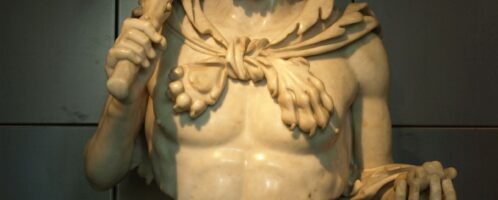
(c. 172 - April 238 CE)
Maximinus Thrax, also known as Maximinus I, reigned as emperor in the years 235-238 CE. He is considered the first barbarian to wear Imperial Purple. According to "Historia Augusta", he was 250 cm tall. Moreover, his thumb was reportedly so large that he wore his wife's bracelet as a ring.

(c. 193 - c. 262 CE)
Valerian I was a Roman emperor in the years 253-260 CE. He was the only Roman emperor who got in and died in captivity. He was captured during the war with Persia.