If you have found a spelling error, please, notify us by selecting that text and pressing Ctrl+Enter.

Biographies of Romans (Emperors)

The emperors of ancient Rome were the center of the political, military, and religious power of the Roman Empire. In this category, you’ll find articles devoted to Rome’s rulers – from Augustus to the last emperors of the West and East. The texts present the emperors, their reigns, reforms, conflicts, domestic and foreign policies, and their influence on the fate of the state. This is a compendium of knowledge about the people who shaped Rome’s history over the centuries.

Caligula

(31 August 12 - 24 January 41 CE)

Caligula was a Roman emperor in the years 37 - 41 CE. The son of the great Roman leader, Germanicus, was originally adored by the crowds. Unexpectedly, on November 37 CE Caligula fell into an unknown serious disease, and after recovering from this he became cruel and unpredictable.
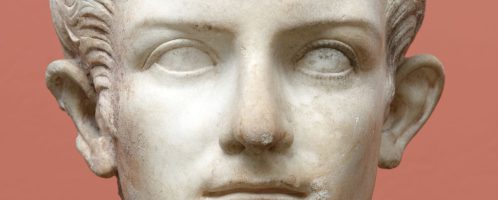
Caligula

Vespasian

(17 November 9 - 23 June 79 CE)

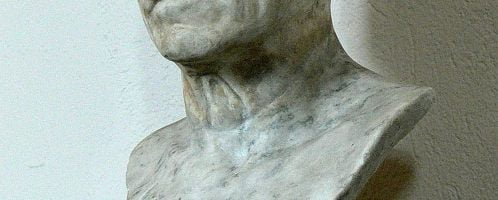
Vespasian was a Roman emperor who ruled from 69-79 CE. The first ruler of the Flavian dynasty. He distinguished himself as a reformer and reorganizer of the state.

Vespasian

Galba

(24 December 3 BCE - 15 January 69 CE)

Galba was a Roman emperor in 69 CE, the so-called "year of the four emperors", after the hated emperor Nero committed suicide. He aimed at introducing discipline in the army and savings. He died on the orders of Otho.

Galba

Claudius

(1 August 10 BCE - 13 October 54 CE)

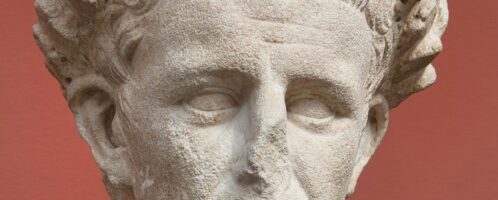
Claudius was a Roman emperor who ruled in the years 41-54 CE. He was one of the better-educated rulers who was discriminated because of his disability.

Bust of Roman emperor Claudius

Tiberius

(16 November 42 BCE - 16 March 37 CE)

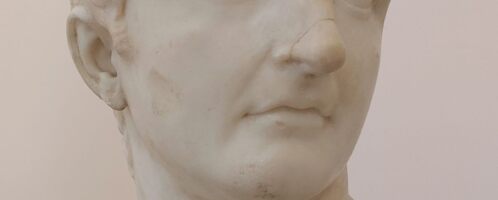
Tiberius was a Roman emperor ruling from 14 to 37 CE. Thanks to the adoption by Augustus, he entered the family of Julia and became the second emperor of Rome.

Bust of emperor Tiberius

Augustus

(23 September 63 BCE – 19 August 14 CE)

Augustus was the first emperor of Rome in history. At a young age, he was recognized as the main heir to the murdered Caesar, which brought him to the political scene and the final process of the Republic's downfall. Despite his poor health, he proved the ambition and determination that led him to take power.

Bust of Augustus with corona civica

Spelling error report

The following text will be sent to our editors: