
Germanicus
(24 May 15 BCE - 10 October 19 CE)
Germanicus was one of the greatest Roman generals. He became famous for successful campaigns carried out in Germania, after a defeat in the Teutoburg forest.
If you have found a spelling error, please, notify us by selecting that text and pressing Ctrl+Enter.
The history of ancient Rome saw the emergence of many outstanding figures who left a lasting mark on the history of the world. Some of them are remembered by posterity as cruel tyrants, such as Caligula, Nero, and Caracalla. Others became renowned as reformers and builders of the Roman state’s power, including Augustus, Claudius, Marcus Aurelius, Diocletian, and Constantine the Great. It is also impossible to ignore the Roman generals, who often saved the state from collapse.
History also includes outstanding figures of Roman culture – writers, philosophers, and artists whose work had a profound impact on the development of European civilization. In this section, I present profiles of individuals who achieved great deeds or whose actions left a lasting mark on the pages of history.
(24 May 15 BCE - 10 October 19 CE)
Germanicus was one of the greatest Roman generals. He became famous for successful campaigns carried out in Germania, after a defeat in the Teutoburg forest.
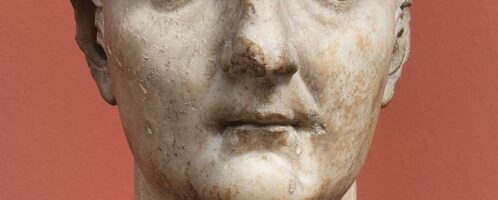
(2nd half of 4th century CE)
Flavius Vegetius, born as Publius Flavius Vegetius Renatus was a Roman writer and historian in the second half of the 4th century CE. Author of outstanding work on military - De rei militari. In De rei militari Vegetius describes himself as a Christian.
(79/8 - 45 BCE)
Tullia - the beloved daughter of an eminent Roman speaker and politician, Cicero - was born in 79 or 78 BCE. She was the first child and the only daughter of Cicero and Terentia. Her younger brother was Marcus Tullius Cicero Minor - who became a consul in 30 BCE.
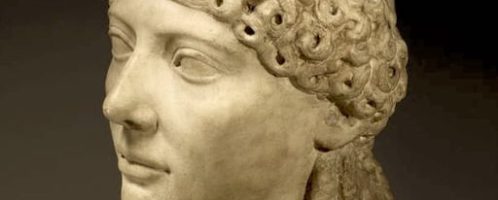
(1st century BCE)
Quintus Labienus was a Roman commander at the end of the Roman Republic. He was the son of Titus Labienus - the eminent commander of Caesar during the Gallic Wars and later Pompey's supporter in the civil war.
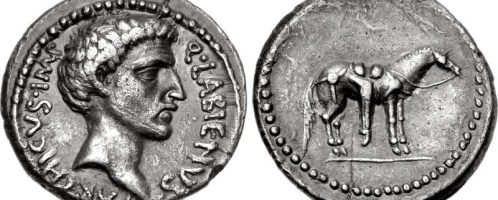
(c. 4 BCE - 65 CE)
Seneca the Younger was a rhetorician, writer, poet and Roman philosopher. Called the "Philosopher" he was the teacher and guardian of Nero at the beginning of his reign.

(15 December 130 - February 169 CE)
Lucius Verus reigned in Rome in the years 161-169 CE together with his adoptive brother Marcus Aurelius. He became famous for his love to fun.

(c. 70 - 8 BCE)
Gaius Cilnius Maecenas was a Roman politician, adviser and friend of Octavian Augustus. Patron of poets and artists. His name became the name of the protector of art and science.
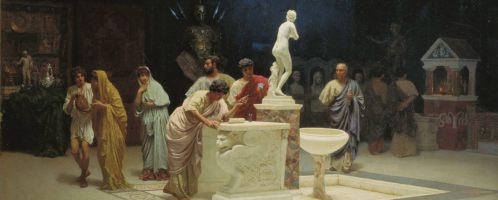
(c. 360 - 22 August 408 CE)
Flavius Stilicho, along with Flavius Aetius, was the last great commander of ancient Rome.
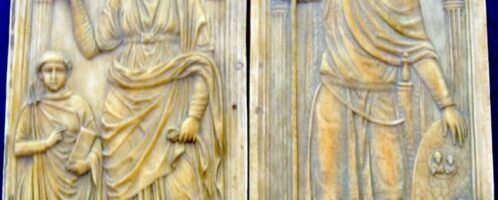
(95 - 46 BCE)
Cato the Younger was a Roman politician (optimist) and philosopher. He imitated the way of being an Elder Caton, who was ideal for him.

