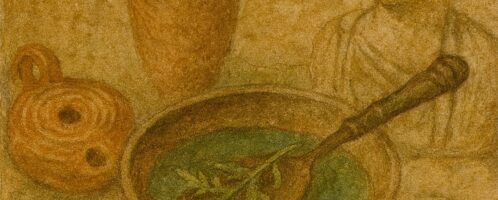
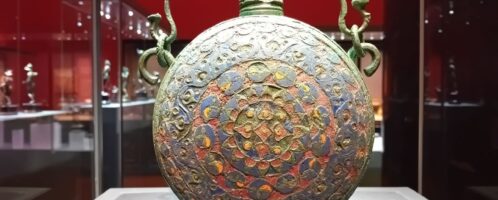
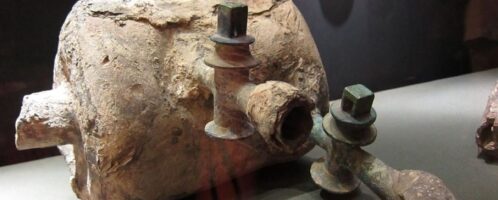
The image of the ancient Roman in the popular imagination – perpetuated by cinema, literature, and popular culture – is often a half-naked figure reclining in a luxurious triclinium, surrounded by wine, fruit, roasted meat, and slaves fanning him during an endless feast. Another popular motif is the alleged “vomiting during the feast” in order to continue eating. This image, while effective, is far more exaggerated and false.
The image of the Roman feast as a debauched orgy of eating and drinking comes largely from satirical literature. Authors such as Petronius and Martial often portrayed feasts as places of excess, hypocrisy, and social snobbery; this was done with the intention of criticizing social norms, not reporting on everyday life.
A prime example is “Trimalchio’s Feast” (excerpt from Petronius’s “Satyricon”), in which the titular character – a freedman and “nouveau riche” – hosts a spectacular dinner full of culinary extravagance. However, Trimalchio does not represent a typical Roman; rather, he is a social caricature.
Many Roman historians (e.g., Tacitus, Suetonius) condemned the debauchery of emperors and elites. For example, Nero, Vitellius, and Domitian were accused of excessive eating and drinking.
The daily diet of a typical Roman was very modest. Most Roman citizens – both free citizens and slaves – did not have access to lavish feasts. Their diet consisted primarily of:
- Puls – a thick porridge made from wheat or barley;
- Bread – various quality breads;
- Legumes, vegetables, olives;
- Cheese, eggs, fish;
- Small amounts of meat – often rarely available;
- Garum – a sauce made from fermented fish, used to season dishes.
Archaeological studies of feces from latrines, kitchen scraps, and paleobotanical analyses (e.g., from Pompeii and Ostia) confirm the dominance of plant products and grains in the diet of the average Roman citizen.
Formal feasts (cena) organized by wealthier social classes, such as senators and equites, were social events and took place on special occasions rather than daily. They had not only social but also political significance – they served to strengthen alliances, demonstrate social standing, and dispense patronage.
Participating in a feast required a special dining room (triclinium) and kitchen, which in itself was a sign of wealth. One of the most widespread myths is the existence of the “vomitorium” as a special room for inducing vomiting during the feast. The “vomitorium” was a passageway in theaters and amphitheaters through which crowds of spectators “exited” (e.g., in the Colosseum).
While some Romans may have induced vomiting in private (e.g., Seneca mentions it in “Epistulae Morales”), it was more of a medical or extreme practice than a part of the feast.