Bad luck of Pasitiles
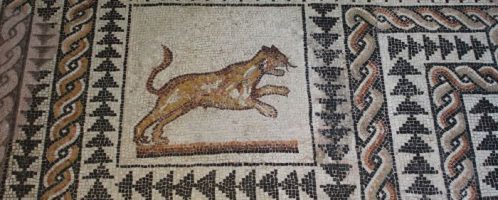
Pliny the Elder mentions that in the first century BCE an artist from southern Italy named Pasitiles went to the wharf – where African animals were kept for performances in the arena – to engrave the lion there.
If you have found a spelling error, please, notify us by selecting that text and pressing Ctrl+Enter.
The world of the ancient Romans was rich in extraordinary, and sometimes even surprising, facts. We draw our knowledge of Roman daily life, customs, and mentality primarily from works left by ancient writers and historians. It is thanks to them that we discover information that is astonishing today – sometimes even hard to believe. Below are some interesting facts that reveal a lesser-known and less obvious side of the Roman world.
I encourage you to submit your own suggestions and to report any corrections or inaccuracies.
Pliny the Elder mentions that in the first century BCE an artist from southern Italy named Pasitiles went to the wharf – where African animals were kept for performances in the arena – to engrave the lion there.
When Spartacus and his army were surrounded by Romans, he decided to do the trick. He ordered to tie the bodies of fallen comrades to poles outside the camp and arm them with available equipment.

Roman ships prow ornament made of bronze. Dated back to circa 1st century BCE – 1st century CE.

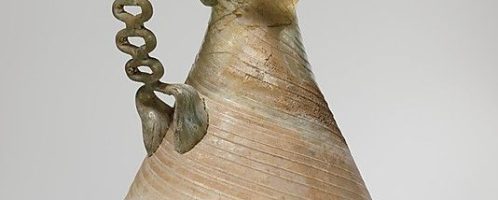
Roman glass jug with chain handle. Dated back to III century CE.