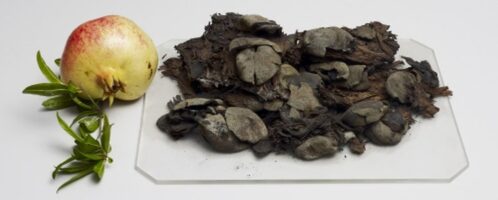
Charred remains of pomegranates
Charred remains of pomegranates from Oplontis, which was near Pompeii and was destroyed by the eruption of Vesuvius in 79 CE. The remains are in the British Museum.
If you have found a spelling error, please, notify us by selecting that text and pressing Ctrl+Enter.
The world of the ancient Romans was rich in extraordinary, and sometimes even surprising, facts. We draw our knowledge of Roman daily life, customs, and mentality primarily from works left by ancient writers and historians. It is thanks to them that we discover information that is astonishing today – sometimes even hard to believe. Below are some interesting facts that reveal a lesser-known and less obvious side of the Roman world.
I encourage you to submit your own suggestions and to report any corrections or inaccuracies.
Charred remains of pomegranates from Oplontis, which was near Pompeii and was destroyed by the eruption of Vesuvius in 79 CE. The remains are in the British Museum.
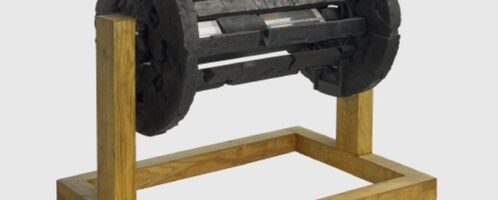
Partially preserved and charred wooden device for drawing water. The object was discovered in the so-called House of the Two Atriums, in Herculaneum. Artifact in the British Museum.
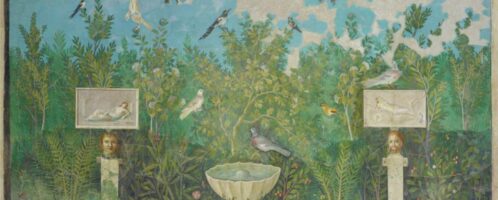
Fresco from a Roman room in the so-called House of the Golden Bracelet in Pompeii. The painting shows garden scenes. The find is in the British Museum.
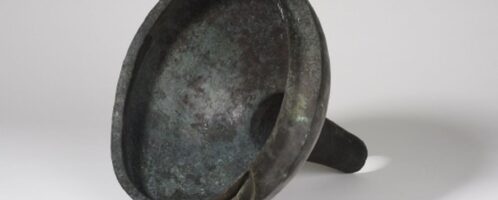
Roman bronze funnel, used to pour dry goods. The object is located in The British Museum.
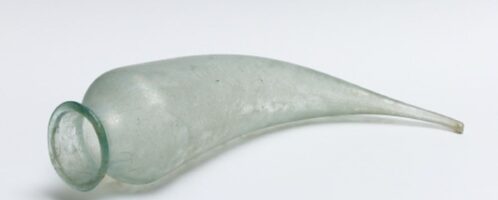
Glass drinking horn from Pompeii. The object is in the British Museum.
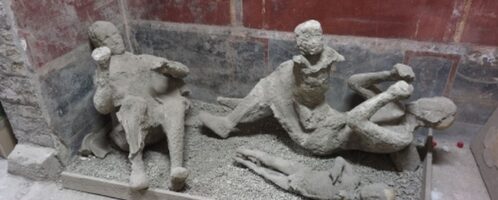
Casts of the remains of victims (two adults and two children) of the eruption of Vesuvius in 79 CE. The find was discovered in the House of the Golden Bracelet in Pompeii. It is currently in the British Museum.
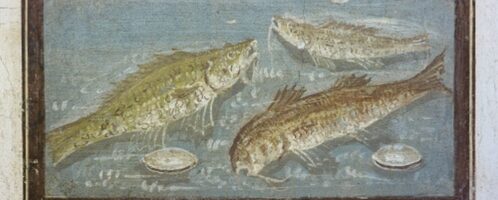
Fish on Roman fresco. The object is discovered in Pompeii. The artifact is located in The British Museum.
Roman stone table (cartibulum), in the form of a single support, in the shape of a panther. The object was discovered at Pompeii; it is in the British Museum.

Roman army decorated iron shield boss (umbo) with IUPPITER (Jupiter). The piece is around 70mm wide and was originally attached to the wooden shield by nails – the holes remain visible. Object discovered in Britain.
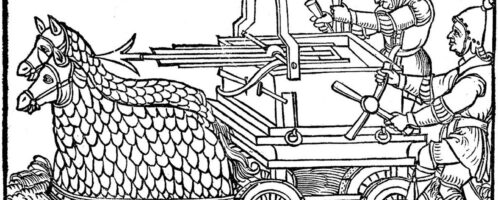
Ballista quadrirotis is a weapon that Roman troops could have used. Information about this weapon appears in the anonymous work “De rebus bellicis” from the 4th-5th century CE. It presents the weapon as a ballista mounted on a four-wheeled cart and pulled by horses, which allowed it to be mobile on the battlefield.