Roman sculpture depicting woman
Roman sculpture depicting a woman. The object dates back to the 1st century BCE. The artifact is located in Ny Carlsberg Glyptotek in Copenhagen (Denmark).
If you have found a spelling error, please, notify us by selecting that text and pressing Ctrl+Enter.
The world of the ancient Romans was rich in extraordinary, and sometimes even surprising, facts. We draw our knowledge of Roman daily life, customs, and mentality primarily from works left by ancient writers and historians. It is thanks to them that we discover information that is astonishing today – sometimes even hard to believe. Below are some interesting facts that reveal a lesser-known and less obvious side of the Roman world.
I encourage you to submit your own suggestions and to report any corrections or inaccuracies.
Roman sculpture depicting a woman. The object dates back to the 1st century BCE. The artifact is located in Ny Carlsberg Glyptotek in Copenhagen (Denmark).
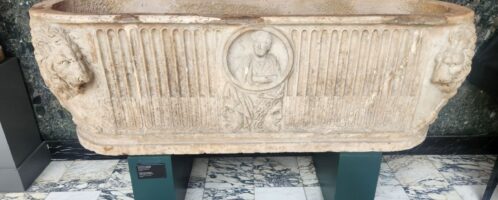
Roman sarcophagus with a portrait of the deceased. The object dates back to the second half of the 3rd century CE. The artifact is located in Ny Carlsberg Glyptotek in Copenhagen (Denmark).
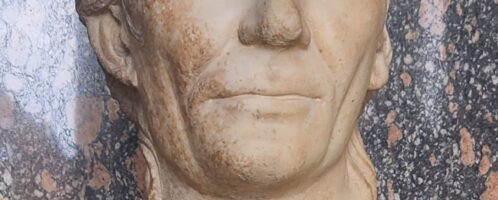
Roman sculpture of a man from 69-96 CE. The artifact is located in Ny Carlsberg Glyptotek in Copenhagen (Denmark).
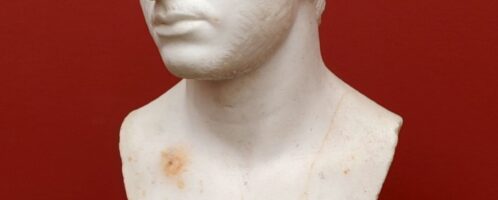
Bust of the Roman Emperor Claudius. The object dates back to 41-54 CE; discovered in Cerveteri, Italy. The artifact is located in the National Archaeological Museum of Naples.
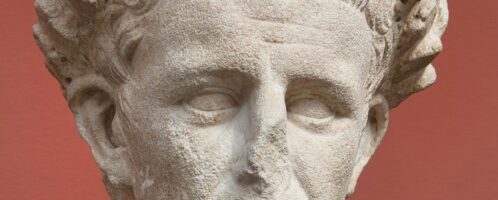
From the beginning of Roman statehood, various types of population gatherings played a huge role. They had different names – tribe committees, centurial committees, and curial committees. Their shape and competencies have evolved, so I do not want to go into excessive detail here and will continue to refer to them generally as folk assemblies.
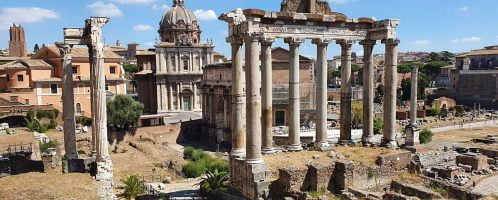
Bust of Emperor Titus, who reigned in 79-81 CE. The object was probably built between 81-96 CE. The artifact is located in Ny Carlsberg Glyptotek in Copenhagen (Denmark); it was discovered in Ostia.
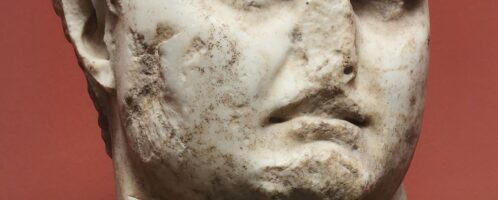
Sculpture of a Roman youth from the mid-2nd century CE. The object was discovered in Asia Minor. The artifact is located in Ny Carlsberg Glyptotek in Copenhagen (Denmark).
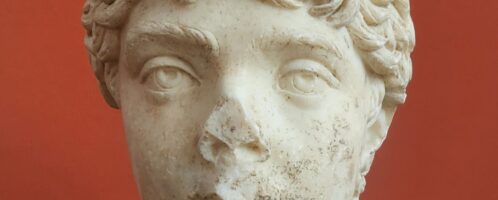
Roman sculpture of Aeneas from the 2nd century CE It is a copy of the original, made of bronze during the reign of Augustus, which decorated the tomb of Aeneas in Lavinium in 12 BCE.
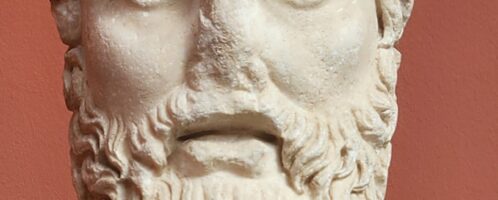
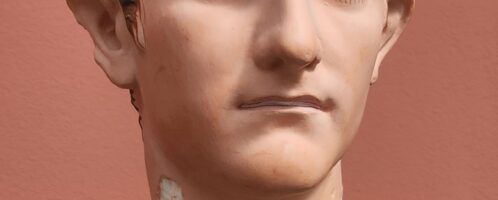
Reconstruction of a sculpture depicting Emperor Caligula (reigned 37-41 CE). The modern reconstruction shows what colors the original sculpture had. The passage of time meant that the colors were not preserved on ancient marble objects. The artifact is located in Ny Carlsberg Glyptotek in Copenhagen (Denmark).
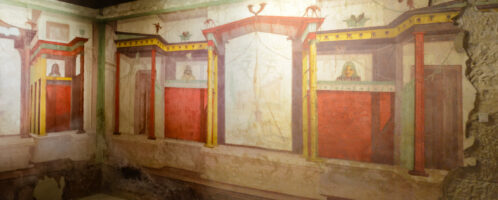
Rome today still hides many secrets, and visitors to this city can encounter evidence of its former power at every step. The impressive Colosseum or Pantheon, evidence of ancient technical thought, proudly towers above the crowds of tourists. However, some places offer almost intimate experiences and contain the pure spirit of antiquity. For just such an experience, we can visit the house of Octavian Augustus himself.