If you have found a spelling error, please, notify us by selecting that text and pressing Ctrl+Enter.

Curiosities of ancient Rome

The world of the ancient Romans was rich in extraordinary, and sometimes even surprising, facts. We draw our knowledge of Roman daily life, customs, and mentality primarily from works left by ancient writers and historians. It is thanks to them that we discover information that is astonishing today – sometimes even hard to believe. Below are some interesting facts that reveal a lesser-known and less obvious side of the Roman world.

I encourage you to submit your own suggestions and to report any corrections or inaccuracies.

Foedus – form of covenant in ancient Rome

Foedus, i.e., covenant or treaty, was one of ancient Rome’s most important diplomatic tools. During the early Republic, Rome used the foedera to secure alliances and stabilize its political influence in Italy and on the outskirts of the growing state. These were formal agreements concluded with other cities, states and peoples that regulated the obligations, privileges and relationships between the parties.

Italy in 326 BCE

Preserved remains of nymphaeum or spring

Preserved remains of a nymphaeum or spring that was located near the Roman bath. The discovery was made in 1891. The object is located in the NT The Weir Garden in Swainshill (West of England).

Preserved remains of nymphaeum or spring

Salii ritual – mysterious Roman ritual

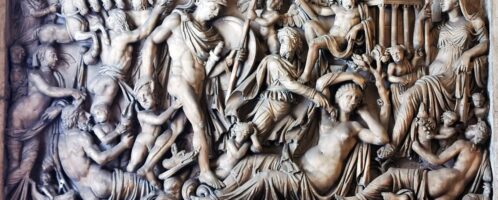
In ancient Rome, the Salii ritual was one of the most important elements of the cult of Mars, the god of war. These were elite priests who wore special costumes and performed characteristic ritual dances and songs during the annual celebrations. Their ceremonies were intended to ensure prosperity in wars, protect the city, and guarantee Rome’s power on the battlefields.

Mars and Rhea Silvia front of the sargophag from Palazzo Mattei in Rome

Augurs in ancient Rome – guardians of divine will

Augurs were key figures in the religious and political life of ancient Rome. Their main task was to interpret signs from the gods, which influenced the most important state decisions, from waging wars to selecting officials. The art of divination they practiced was known as auspicia, and its basis was the observation of the flight of birds, which resulted from the belief that birds were intermediaries between the world of humans and the world of gods.

Roman augur with a lituus in his hand

State according to Cicero – “res populi” as community of citizens

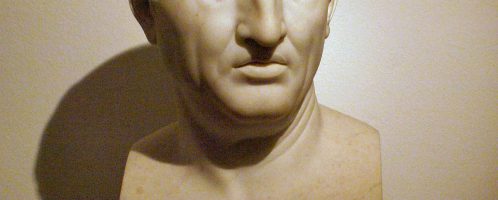
In the works of Cicero (106 – 43 BCE), one of the most important philosophers and politicians of ancient Rome, the state (res publica) was primarily a community of citizens. His approach to politics and the state was firmly rooted in the concept of the common good, which he called res populi – the cause of the people.

Cicero

Aerarium militare – fund for Roman legionaries

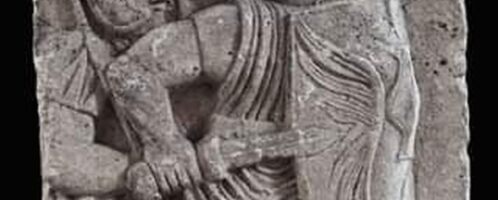
Aerarium militare, founded by Emperor Octavian Augustus in 6 CE, was one of the key pillars of the military and financial stability of the Roman Empire. This fund was used to pay pensions to veterans of the Roman legions, constituting a pioneering support system for soldiers. Its creation aimed to minimise social unrest among veterans and ensure fair payment after leaving the service.

Roman legionaries on relief

Castor and Pollux – divine twins

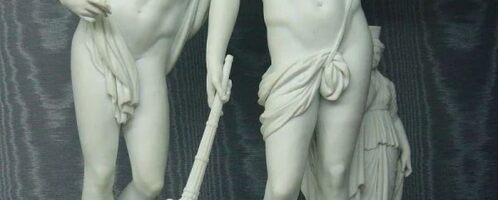
Castor and Pollux, also known as the Dioscuri, played an important role in Greek mythology but also gained special honour in ancient Rome. Considered the protectors of soldiers and patrons of cavalry, they symbolized brotherly loyalty and heroism. Their mythical birth from Queen Leda and the god Zeus (according to Hesiod), who took the form of a swan, gave them divine status, although Castor, unlike Pollux, was mortal.

Castor and Pollux

“Otium post negotium” – Roman’s rest after work

In ancient Rome, the concepts of otium (rest) and negotium (work) formed the foundation of social and personal life, especially among the elite. It was otium post negotium – “rest after work” – that symbolized the balance that a person should maintain to live harmoniously. Otium was crucial in shaping the Romans’ culture, philosophy and everyday life.

Roman relief showing a butcher at work

Princeps Senatus – first among Roman senators

In the Roman Republic, the Senate was one of the most important political bodies, playing a key role in shaping law and policy. It was headed by princeps senatus. This title did not mean formal power but brought enormous prestige and political influence. Who was princeps senatus, what functions did he perform and why was this title so important in the republican system of Rome?

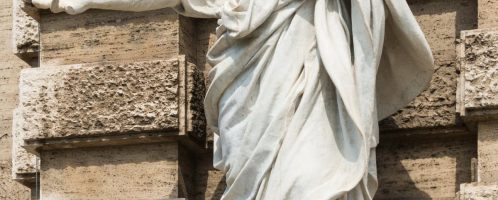
Pomnik Cycerona przed Palazzo di Giustizia w Rzymie

Spelling error report

The following text will be sent to our editors: