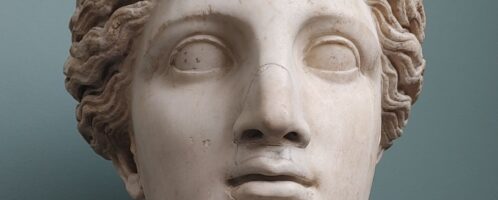
Sculpture of Roman youth from mid-2nd century CE
Sculpture of a Roman youth from the mid-2nd century CE. The object was discovered in Asia Minor. The artifact is located in Ny Carlsberg Glyptotek in Copenhagen (Denmark).
If you have found a spelling error, please, notify us by selecting that text and pressing Ctrl+Enter.
The world of the ancient Romans was rich in extraordinary, and sometimes even surprising, facts. We draw our knowledge of Roman daily life, customs, and mentality primarily from works left by ancient writers and historians. It is thanks to them that we discover information that is astonishing today – sometimes even hard to believe. Below are some interesting facts that reveal a lesser-known and less obvious side of the Roman world.
I encourage you to submit your own suggestions and to report any corrections or inaccuracies.
Sculpture of a Roman youth from the mid-2nd century CE. The object was discovered in Asia Minor. The artifact is located in Ny Carlsberg Glyptotek in Copenhagen (Denmark).
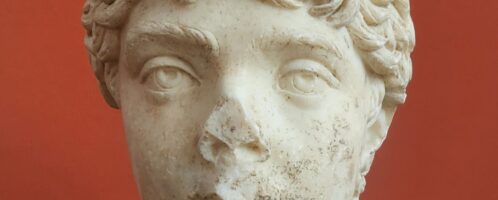
Roman sculpture of Aeneas from the 2nd century CE It is a copy of the original, made of bronze during the reign of Augustus, which decorated the tomb of Aeneas in Lavinium in 12 BCE.
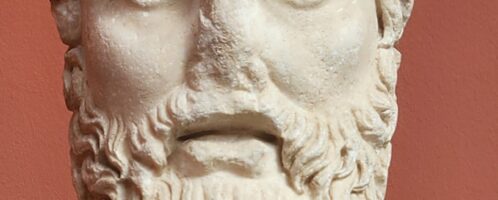
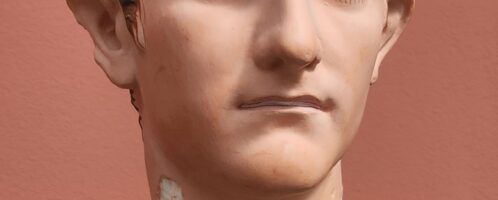
Reconstruction of a sculpture depicting Emperor Caligula (reigned 37-41 CE). The modern reconstruction shows what colors the original sculpture had. The passage of time meant that the colors were not preserved on ancient marble objects. The artifact is located in Ny Carlsberg Glyptotek in Copenhagen (Denmark).
Rome today still hides many secrets, and visitors to this city can encounter evidence of its former power at every step. The impressive Colosseum or Pantheon, evidence of ancient technical thought, proudly towers above the crowds of tourists. However, some places offer almost intimate experiences and contain the pure spirit of antiquity. For just such an experience, we can visit the house of Octavian Augustus himself.
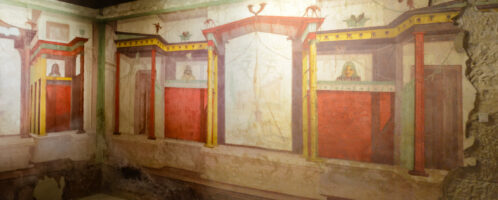
In ancient Roman culture, laurel leaves held great significance as a symbol of triumph, honor, and achievement. The idea of being crowned with laurel, signified a high level of accomplishment and recognition.

Mythological motifs have always been very important in Greco-Roman art. When selecting the topic of their works, ancient artists tried to take into account the most moving, emotionally charged, shocking or tragic motifs of their myths.

Sculpture of a Roman boy. The object dates back to the beginning of the 2nd century CE. The artifact is located in Ny Carlsberg Glyptotek in Copenhagen (Denmark).
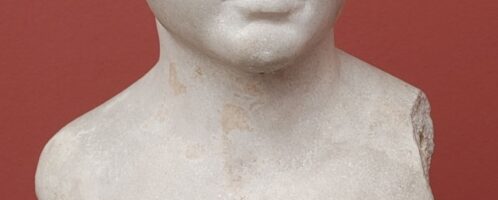
Sculpture of a Roman from the 1st century BCE. The artifact is located in Ny Carlsberg Glyptotek in Copenhagen (Denmark).
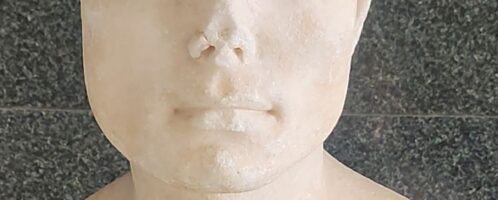
When we visit museums of ancient art, we usually admire marble or bronze sculptures depicting beautiful figures – gods, goddesses, heroes, warriors, nymphs, etc. The art of those times is associated with the cult of the beauty of the human body, youth, harmonious proportions, classic beauty, well-groomed muscles. e.t.c.
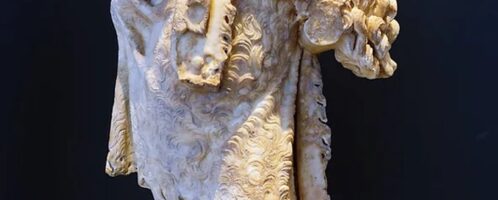
Roman sculpture depicting the goddess Juno (Greek Hera). The object dates back to the mid-2nd century CE. The artifact is located in Ny Carlsberg Glyptotek in Copenhagen (Denmark).