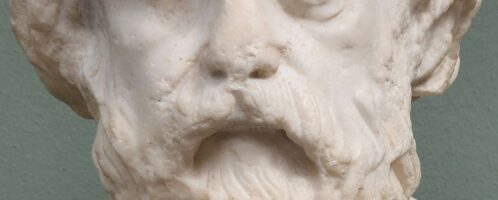
Roman sculpture showing shepherd
Roman sculpture showing a shepherd. The damaged object showed a figure playing a flute. Artifact dating back to the 1st century CE; is located in Ny Carlsberg Glyptotek in Copenhagen (Denmark).
If you have found a spelling error, please, notify us by selecting that text and pressing Ctrl+Enter.
The world of the ancient Romans was rich in extraordinary, and sometimes even surprising, facts. We draw our knowledge of Roman daily life, customs, and mentality primarily from works left by ancient writers and historians. It is thanks to them that we discover information that is astonishing today – sometimes even hard to believe. Below are some interesting facts that reveal a lesser-known and less obvious side of the Roman world.
I encourage you to submit your own suggestions and to report any corrections or inaccuracies.
Roman sculpture showing a shepherd. The damaged object showed a figure playing a flute. Artifact dating back to the 1st century CE; is located in Ny Carlsberg Glyptotek in Copenhagen (Denmark).
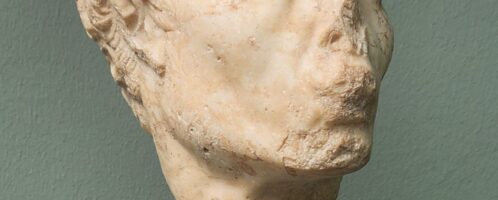
Emperor Septimius Severus (reigned 193-211 CE) on a Roman sculpture. The object was discovered in Turkey and is made of bronze. The artifact is located in Ny Carlsberg Glyptotek in Copenhagen (Denmark).
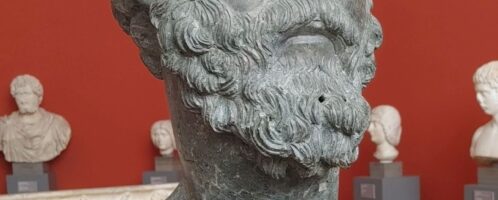
Roman portrait of a man; the object was probably discovered in Dalmatia and dates back to the mid-1st century BCE. The artifact is located in Ny Carlsberg Glyptotek in Copenhagen (Denmark).
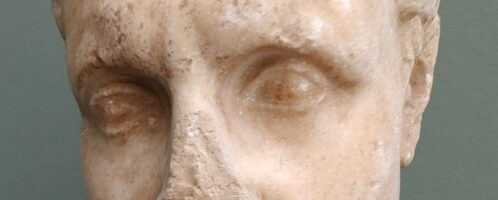
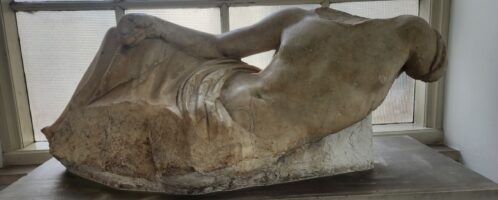
Roman sculpture with a broken head showing a river deity. The object dates back to the 2nd century CE. The artifact is located in Ny Carlsberg Glyptotek in Copenhagen (Denmark).
Roman sculpture depicting Penelope. The object dates back to the 2nd century CE. As we can read under the artifact in the museum, Penelope’s head was part of a larger composition showing a woman waiting for Odysseus, who was returning from the Trojan War. On the right side of the head there are traces of the hand on which her head was supported. The artifact is located in Ny Carlsberg Glyptotek in Copenhagen (Denmark).

Sculpture showing Cupid with the helmet of Mars. The object dates back to the 3rd century CE. The artifact is located in Ny Carlsberg Glyptotek in Copenhagen (Denmark).

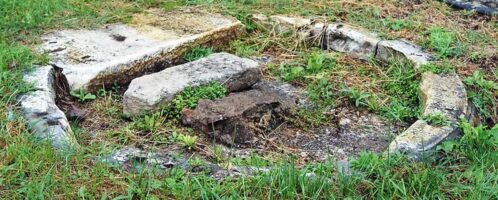
Forum Romanum is a place where every stone tells a story. Today I will tell you about one of the most inconspicuous relics of Roman civilization that can be found in the Forum – the shrine of Venus Cloacina.
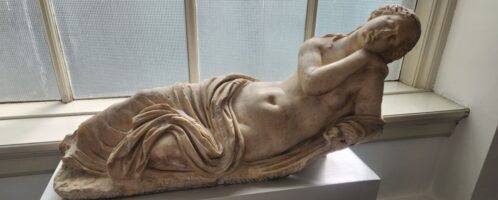
Roman sculpture showing a water nymph that was part of a fountain. The object was probably discovered in Italy and dates back to the 2nd century CE. The artifact is located in the National Archaeological Museum of Naples.
Roman sculpture of Diana (Greek Artemis), goddess of hunting and nature. The head was probably part of a statue that could have been up to 3 meters high. The object was discovered in the goddess’s sanctuary at Nemi; dating back to the 2nd century BCE. The artifact is located in Ny Carlsberg Glyptotek in Copenhagen (Denmark).
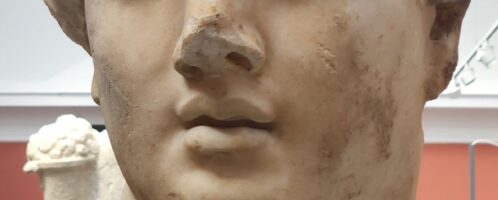
Greek poet on a Roman sculpture. The object is a copy of a Greek original from the 4th century BCE. The artifact is located in Ny Carlsberg Glyptotek in Copenhagen (Denmark).