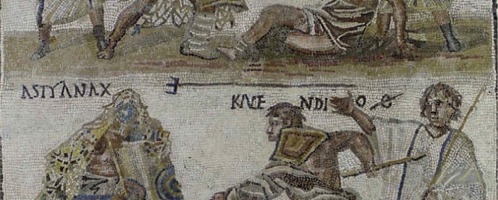
Women poisoned their husbands
Titus Livius mentions that approximately 170 women of prominent families were convicted in 331 BCE for poisoning their husbands. Other sources mention even larger numbers.
If you have found a spelling error, please, notify us by selecting that text and pressing Ctrl+Enter.
Unknown Facts are curiosities revealing little-known, surprising, or rarely discussed information from the world of ancient Rome and antiquity. This category includes unusual details, curiosities, and facts that offer a less obvious perspective on the Roman Empire.
Titus Livius mentions that approximately 170 women of prominent families were convicted in 331 BCE for poisoning their husbands. Other sources mention even larger numbers.

The appearance in Roman mythology of Cybele is associated with defeats during the Second Punic War. In 205 BCE The Senate called on a college of priests to consult the Books of Sibyl about the results of the ongoing war. The priests have issued a verdict that the only thing that can save Italy in this tragic hour is to bring a new goddess to Rome.

In ancient Rome, a Roman salute performed with the right hand (called dextera or dextra) meant trust, friendship and loyalty or simple greeting.

Ancient Romans used ink, usually made of rubber and soot, to write on papyrus and parchment. They used red ink to better visualize the titles.

Gladiator fights were one of the most popular events for Roman society. The custom of gladiatorial fights derives from the Etruscan custom of worshipping the dead through fighting, rather than sacrificing human beings.