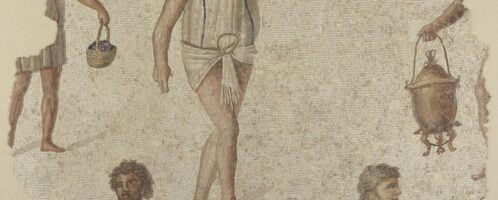
Roman children wore “bulla”
Children up to the age of fourteen wore a medallion called a “bulla” around their necks. The medallions were designed to protect children from evil spirits and forces.
If you have found a spelling error, please, notify us by selecting that text and pressing Ctrl+Enter.
Unknown Facts are curiosities revealing little-known, surprising, or rarely discussed information from the world of ancient Rome and antiquity. This category includes unusual details, curiosities, and facts that offer a less obvious perspective on the Roman Empire.
Children up to the age of fourteen wore a medallion called a “bulla” around their necks. The medallions were designed to protect children from evil spirits and forces.
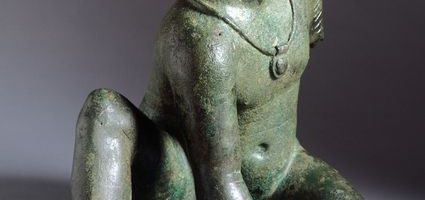
The end of the Greek and Macedonian phalanxes brought clashes with Roman legions fighting in a more flexible manipular formation. The defeats of the Hellenistic armies at Cynoscephalae (197 BCE), Magnesia (190 BCE) and Pydna (168 BCE) ended the centuries-old reign of the phalanx on the fields of an ancient battle.
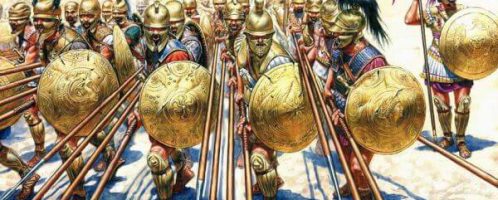
The defeat of the Jewish uprising (years 66-73 CE) was influenced by the internal division of the insurgents. Jerusalem was torn apart by an internal civil war between four factions: the Jerusalem zealots led by Eleazar Ben-Simon (2,400), the Galilean zealots under John of Gishala (6,000), the Sicarians led by Simon bar Giora (10,000) and the Idumeans led by Jacob ben Sosa and Simon ben Cathlas (5000 people).

Praised by Christian sources Emperor Constantine the Great in 326 CE ordered his wife – Fausta killed. The cause of her death has been interpreted differently; either as a result of the alleged organization of the coup and an attempt to seize power or as a consequence of the affair between the emperor’s wife and the emperor’s son – Crispus. Faust was strangled in an overheated bathhouse.
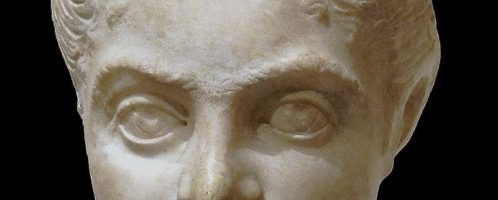
The Phoenician colonization of the western Mediterranean, the controversial rivalry with the Greek settlers and the wealth of Phenicia are issues that are well known to people, even if only superficially interested in antiquity. But what was the process like? How has the community changed, creating new Semitic settlements on unknown lands?
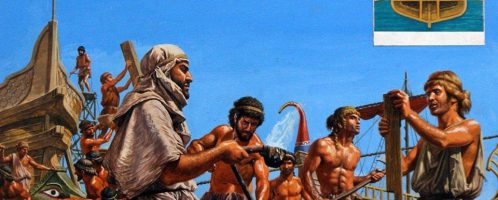
In ancient Rome, the introduction of special clothing to distinguish slaves from free people was once considered. The proposal was eventually abandoned, however, because of fears that enslaved people might realise just how large a group they formed within Roman society. Seneca the Younger mentions this unusual proposal in his treatise De Clementia, written during the reign of Emperor Nero.

The most original cult of the Romans was the cult of genius. As a guardian deity, he was born along with a man, he guided his good and bad fortune. He was shown as a young man in a toga, with a veil on his face, a cup and a cornucopia.

During the time of the first emperor – Octavian Augustus – Princeps himself was highly appreciated by a medic, a certain Antony Musa. He used, in 23 BCE, a revolutionary method of treatment – different from other doctors – namely cold compresses/baths, which healed a seriously ill emperor.