
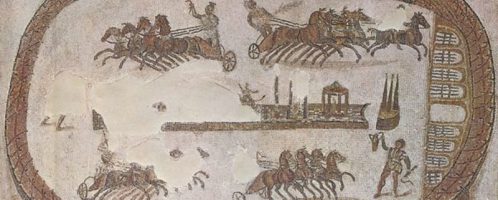
Carthaginians used air conditioning during chariot races
Archaeologists who once conducted excavations in the capital of Carthage at the Circus there discovered that the Carthaginians used an advanced system to cool horses and chariots.
If you have found a spelling error, please, notify us by selecting that text and pressing Ctrl+Enter.
Archaeologists who once conducted excavations in the capital of Carthage at the Circus there discovered that the Carthaginians used an advanced system to cool horses and chariots.
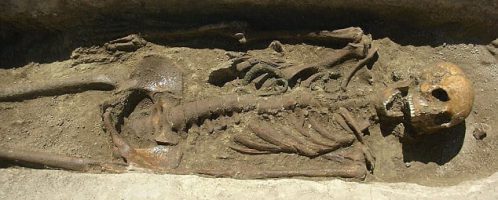
Research by Italian researchers shows that a typical Roman worker did not live to be 30 years old. Scientists used the latest technology to scan found skeletons from ancient times.
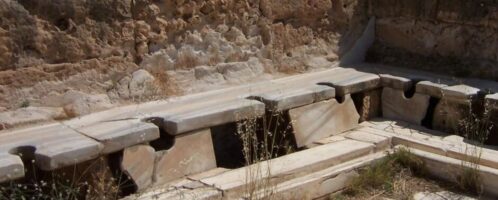
As we learn from the research, public baths, latrines, sewers, fountains and clean drinking water did not protect the ancient Romans from parasites at all.
Grant Adamson of Rice University in Houston read a letter from Egyptian soldier Aurelius Polion, written in Greek on papyrus 1,800 years ago.
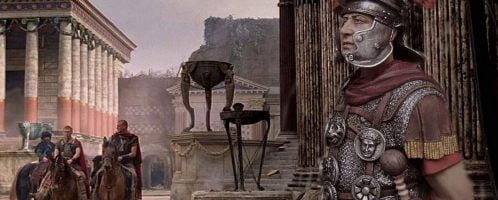
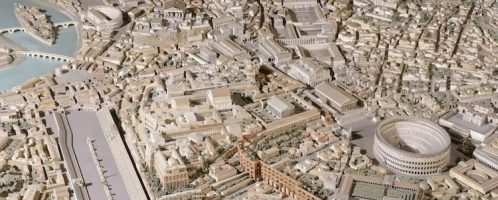
A huge model of Rome from the 4th century CE (the so-called Plastico di Roma Imperiale) is the work of the archaeologist and architect Italo Gismondi, who worked on it for a large part of his life (1935-1971). In his work, Gismondi partly used the work of Rodolfo Lanciani – the map Forma Urbis from 1901.
Roman road was discovered in Bosnia that was hidden in the north-eastern part of the country. The discovery was made on the slope of Mount Konjuh in a dense forest. Currently, the road has been made available to tourists for sightseeing and it is possible to travel on it.

In southwestern Spain, near the city of Canos de Meca, the remains of a Roman bath were found. Interestingly, the object was under sand and covers an area of approximately 2.5 acres. So far, two rooms have been extracted from under the sand.


