
If you have found a spelling error, please, notify us by selecting that text and pressing Ctrl+Enter.
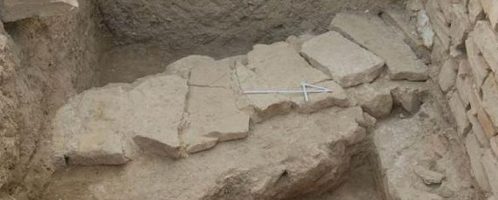
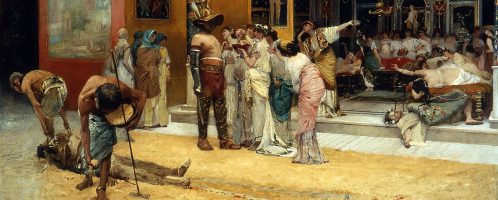
What did gladiators of Ephesus eat?
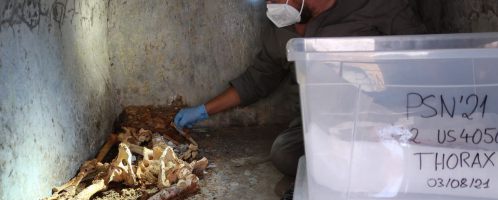
Roman gladiators were largely vegetarians and drank a tonic to strengthen a drink made of plant ash after training. Such conclusions were reached by scientists from the Medical University of Vienna and the University of Bern, who conducted an anthropological study of skeletons in 2015 from the 2nd-3rd-century necropolis in Ephesus discovered in 1993.
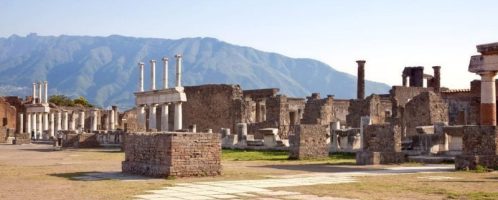
Pompeii’s walls are deteriorating under influence of rain and bureaucracy
Preserved under volcanic ash, the monuments of Pompeii, a city affected by the eruption of Vesuvius in 79 CE, are endangered by the Italian bureaucracy and heavy rainfall. The city was discovered by archaeologists in the 18th century and to this day is a unique source of knowledge about the everyday life of the Romans.
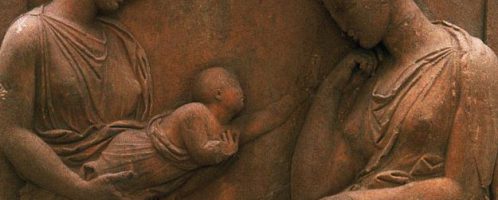
None of sex was spared in act of infanticide
Scientists emphasize in “Journal of Archaeological Science” from 2015 that female children did not account for the vast majority of infanticide victims. It was customary to think that at birth, the Romans spared the male offspring more often due to the obvious gender imbalance at the time.
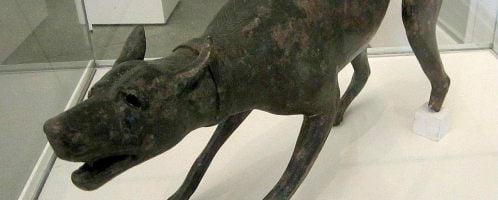
Severed heads were eaten by dogs
Discovered in 1990 in central London, the human remains were thoroughly investigated. As it turned out, the numerous severed heads left in the mass grave come from the period between 120 and 160 CE.
Over 5,000 Roman finds in Aylsham
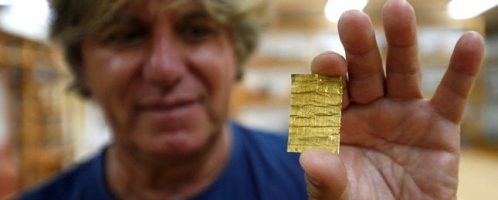
More than 5,000 Roman finds in Aylsham, England were discovered during one week of excavations in 2016.


Lead and fall of Rome
Recent studies of ancient sediments from around Rome confirm that the inhabitants of the Eternal City drank lead-poisoned water. Thirty years ago, the Nigerian geochemist Jerome Nriagu published an article in the New England Journal of Medicine in which he stated that the massive lead poisoning of the inhabitants of the Eternal City had a huge impact on the fall of Rome.
