If you have found a spelling error, please, notify us by selecting that text and pressing Ctrl+Enter.
Rome older than thought
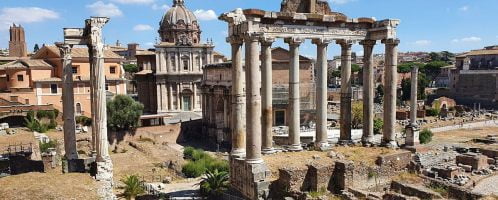
Excavations from the Roman forum show that the city can date back to 900 BCE. Scientists using the latest technologies in 2015 discovered walls made of some kind of calcium. Fragments of pottery and grains were also found.
Gladiators’ heads? – mystery of skulls revealed
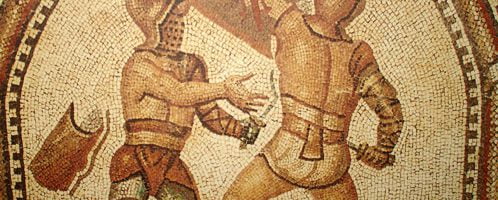
According to a 2015 study, the skulls and remains of bodies found in central London may have belonged to Roman gladiators, prisoners of war, and criminals. The remnants belonged to about 40 men, mostly aged 25-35, who died between 120-160 CE.
Ancient gladiator school in Austria was discovered
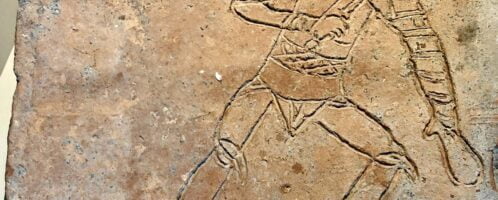
In 2015, archaeologists discovered an ancient gladiator school near the former Carnutum (present-day Vienna, Austria). The place is full of stones, with visible remnants of the training arena and thermal baths.
Traces of Romans in Mazovia
In 2014, archaeologists from Czersk, Legions and Otwock discovered hairpins, arrowheads and swords from Roman times.
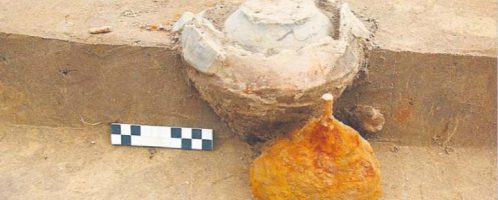
Roman restaurant discovered in France
In 2016, a team of archaeologists discovered the remains of a structure in France that they believed could have served as a local tavern in Roman times around 2,100 years ago.
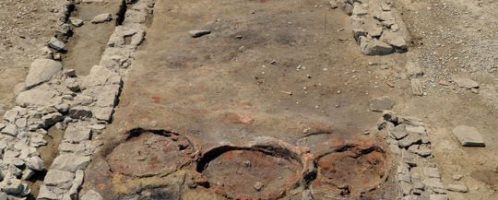
Remnants of end of world
A team from the Italian Archaeological Mission in Luxor (MAIL), in 2015, discovered bodies covered with a thick layer of lime. Lime has been used since antiquity as a disinfectant. The researchers found the find during excavations at the Harwa and Akhimenru funerary complex on the western edge of the ancient city of Thebes (now Luxor).
Scientists recreate wine consumed by ancient Romans
Palaeobotanists recreated the ancient wine that was drunk in ancient Rome two thousand years ago. For this purpose, orchards with grapes were created in Pompeii and the cultivation of plants was undertaken in the way the Romans did before the eruption of Vesuvius in 79 CE.

Statue of Hadrian was discovered in Turkey
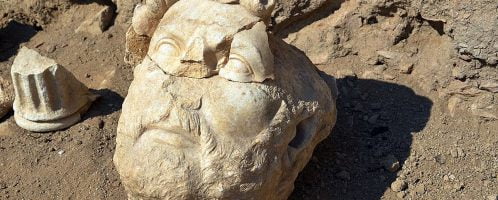
In September, information appeared that in the ancient city of Alabanda (near Çine, in the west of Turkey), during the ongoing excavations, a statue of Hadrian was discovered in fragments.
Scientists suspect that the image of the emperor was immortalized in connection with his visit to the city in 120 CE. The statue could be two and a half meters high and, according to archaeologists, it was probably destroyed by Christians in the following years.