Fragment of Roman road was discovered in northern England
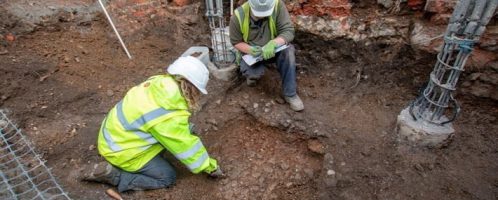
During conservation works carried out under the 15th-century York Guildhall building (city of York, northern England), specialists came across the remains of a Roman road.
If you have found a spelling error, please, notify us by selecting that text and pressing Ctrl+Enter.
During conservation works carried out under the 15th-century York Guildhall building (city of York, northern England), specialists came across the remains of a Roman road.
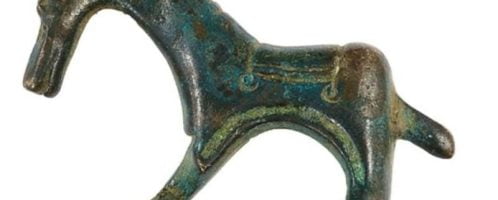
An amazing find was discovered in England – a Roman brooch in the shape of a horse. The lucky finder of the object is Jason Price, who discovered it in the field, near Leasingham.
In Northumberland, near Brampton, in northern England, in the 1980s, 1800-year-old inscriptions made by Roman soldiers were discovered. Researchers finally managed to photograph them for 3D visualization.

The arena in Nimes invites once again to celebrate the annual Games – “Les Grands Jeux Romaines”. The year 2020 is the 10th anniversary of the event dedicated to Caesar. Arena presents an advertising movie of the show “César, la conquête de Rome”.

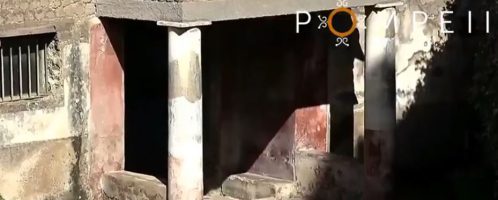
The Archaeological Park in Pompeii, which also supervises the less-known archaeological sites in the area: Oplontis – Villa di Poppea, Stabiae, or Villa di Ariana, has released a video showing the interesting finds that are not worse than Pompeii or Herculaneum.
An exhibition of Etruscan art – “Gli Etruschi” is being prepared at the National Archaeological Museum MANN in Naples. The museum presents an advertising video.
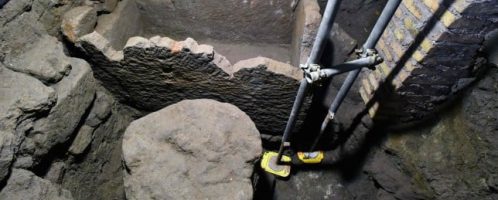
In Forum Romanum, a temple and sarcophagus were discovered, which researchers believe may have been dedicated to Romulus – the founder and legendary first king of Rome.
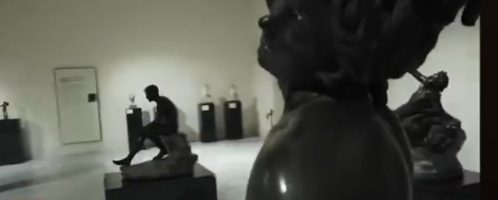
The National Archaeological Museum in Naples will open soon the section concerning the times of the oldest settlements in Campania. On this occasion, in the attached promotional video you can see some of the greatest treasures of the museum from the Greek and Roman times.
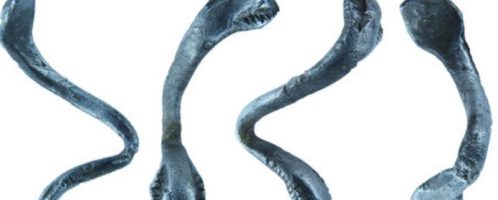
In March 2018, a beautiful silver Roman ring showing two cobra heads was discovered in Upper Winchendon (central England). The object is dated to the middle of the 2nd century CE. Currently, the object is deformed, because originally the heads were in contact with each other.