Antique dishes discovered in Malta
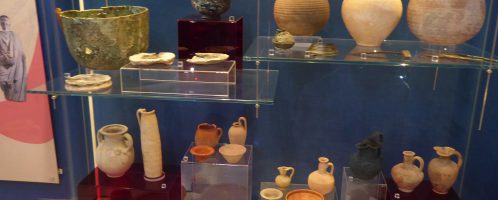
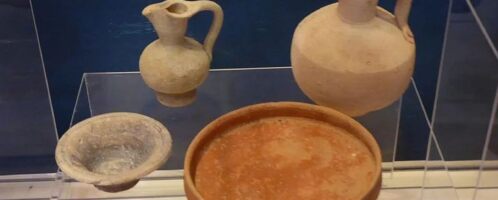
Different types of antique vessels discovered in Malta from the first century BCE – 3rd century CE. The exhibition is located in Domus Romana in Malta.
If you have found a spelling error, please, notify us by selecting that text and pressing Ctrl+Enter.
The world of the ancient Romans was rich in extraordinary, and sometimes even surprising, facts. We draw our knowledge of Roman daily life, customs, and mentality primarily from works left by ancient writers and historians. It is thanks to them that we discover information that is astonishing today – sometimes even hard to believe. Below are some interesting facts that reveal a lesser-known and less obvious side of the Roman world.
I encourage you to submit your own suggestions and to report any corrections or inaccuracies.
Different types of antique vessels discovered in Malta from the first century BCE – 3rd century CE. The exhibition is located in Domus Romana in Malta.
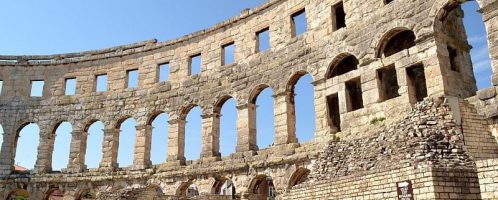
The Romans left behind many wonderful buildings, many of them have survived to this day in a better or worse condition. Amphitheatres, where crowds of people gathered to see gladiatorial battles, enjoyed great popularity among the Romans. Unfortunately, one of them resulted in a huge tragedy as a result of miserliness, which resulted in a number of deaths compared to the losses of Roman legions in the battle of the Teutoburg Forest 9 CE.
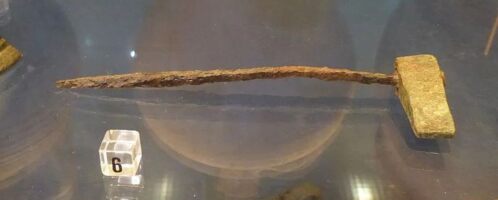
An antique metal hammer discovered in Malta. The exhibition did not provide dating and the specific place of discovery. The find is on display at Domus Romana in Malta.
“Caesar” was a title awarded since Julius Caesar to each of his successors. But what did it mean?

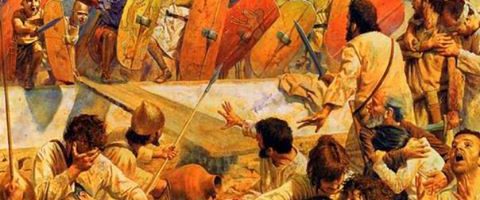
Hasdrubal was during the period of III Punic War the commander-in-chief of the city’s defence forces – Carthage. When the troops of Scipio destroyed the Carthaginian army outside the city, the city was cut off from the outside world, and all food delivery ceased. Residents of the city and few soldiers were at the mercy of Scipio. Hasdrubal, who was in charge of defence, asked for peace, but Scipio was merciless (or received explicit instructions from the Senate) and in the spring of 146 BCE stormed the city.
Dishes made from terracotta, which were discovered in Domus Romana in Malta. The items are dated to the first century BCE – 2nd century CE.
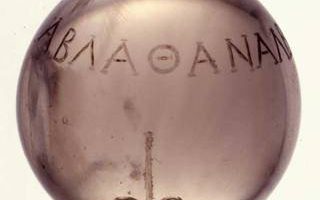
Roman crystal ball with the Greek palindrome – the word sounding the same, read from left to right and from right to left. The object is in the collection of National Museum of Denmark.