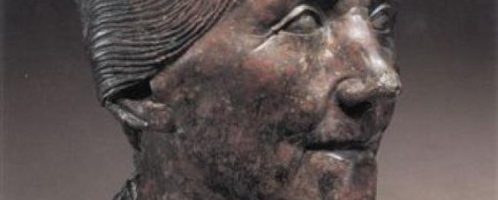
Realistic Roman portrait of older woman
Realistic Roman bronze head of a woman. Dated back to 1st century BCE.
If you have found a spelling error, please, notify us by selecting that text and pressing Ctrl+Enter.
The world of the ancient Romans was rich in extraordinary, and sometimes even surprising, facts. We draw our knowledge of Roman daily life, customs, and mentality primarily from works left by ancient writers and historians. It is thanks to them that we discover information that is astonishing today – sometimes even hard to believe. Below are some interesting facts that reveal a lesser-known and less obvious side of the Roman world.
I encourage you to submit your own suggestions and to report any corrections or inaccuracies.
Realistic Roman bronze head of a woman. Dated back to 1st century BCE.
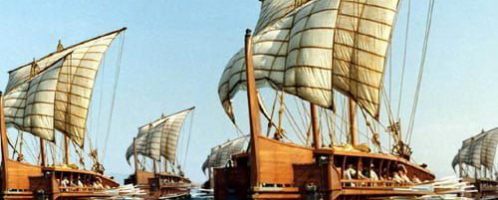
The Roman fleet did not use slaves for service at sea. The boatmen, sailors and naval sailors were ordinary auxiliares who in exchange for a good 26-year military service could expect them to be granted Roman citizenship.
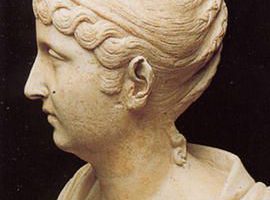
A marble bust of Faustina the Elder (Faustina Major) – the wife of Emperor Antoninus Pius (138-161 CE). The bust is in the Capitoline Museums in Rome. The Empress died in the early period of her husband’s rule – 140 CE.
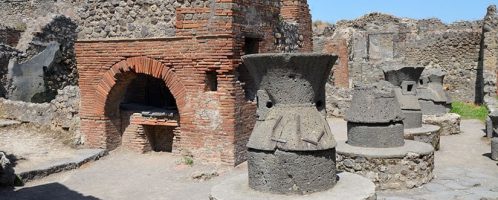
Over thirty bakeries were excavated in Pompeii and Herculaneum. The picture shows the grain mills (catullus) operated by slaves that were found in the bakery (pistrinum) in Pompeii.
The South Agora of Aphrodisias, located in southwestern Turkey, was one of two public squares within the ancient city. Agora was founded in the 1st century CE and until now it was seen as a place of trade and market. However, the latest archaeological research has proved that this space served as a park, with a monumental fountain, swimming pool, promenade.