If you have found a spelling error, please, notify us by selecting that text and pressing Ctrl+Enter.
Curiosities of ancient Rome (Unknown facts)
Unknown Facts are curiosities revealing little-known, surprising, or rarely discussed information from the world of ancient Rome and antiquity. This category includes unusual details, curiosities, and facts that offer a less obvious perspective on the Roman Empire.
Caesar and enemies
For enemies, Julius Caesar even calendar reform was an excuse to show dissatisfaction. Once, Caesar, leaving Rome, left a decree with orders for his deputies (as he usually did).

Cicero makes fun of Caesar’s decision
On December 31, 45 BCE unexpectedly died1the current consul, Quintus Fabius Maximus. In his place – until the end of the year, that is for a few hours – Julius Caesar appointed Gaius Caninius Rebilus. Cicero joked about this: “Rebilus had to ask “in whose consulship he was consul”.
Speech of Cicero in defense of Quintus Ligarius
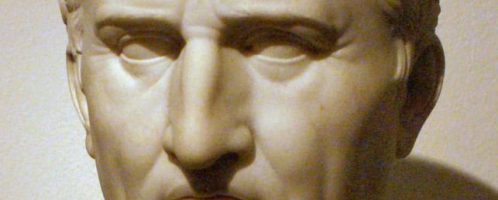
Cicero was one of the greatest, if not the greatest, Roman orator. Popularizer of Greek philosophy and politician. A supporter of the optimates. He came from an old equestrian family – the Tullia.

Cicero sensed Caesar’s intentions
Cicero was arguably one of the few not fooled by the polite and pleasant manner of being Julius Caesar, and who saw the fierce strength of his character. In all of Caesar’s hidden plans and all political tactics, Cicero saw autocratic plans.

Roman blinds – how did Romans protect themselves from sun and take care of their privacy?
Nowadays, it is common to take care of privacy in your apartments by installing pleats, blinds or curtains on the windows. In addition, this way you can effectively reduce the heating of rooms in the summer. As it turns out, these solutions were known already in ancient times.

Dedication of Temple of Juno Moneta
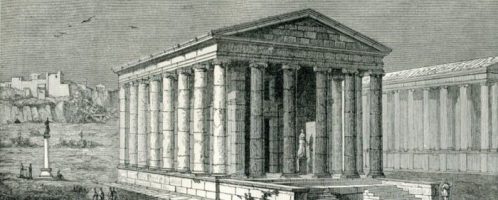
On June 1, 384 BCE the saviour of Rome Marcus Furius Camillus announced the construction of a temple Junons Coins. The building was dedicated in 344 BCE. on the northern hill of the Capitoline Hill, where, according to tradition, the house of Manlius Capitolineus once stood1, and even earlier probably the castle (arx) of the kings. The nickname Moneta means Warning, Advising, from the Latin word monere.