
Uprising of Boudicca
(60-61 CE)
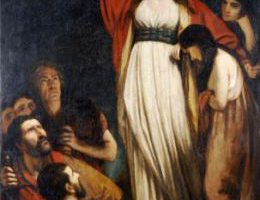
Uprising of Boudicca (60-61 CE) was the greatest British uprising against Roman domination. Boudika brought about an agreement between the British tribes of the south and west of England and led the uprising.
If you have found a spelling error, please, notify us by selecting that text and pressing Ctrl+Enter.
(60-61 CE)
Uprising of Boudicca (60-61 CE) was the greatest British uprising against Roman domination. Boudika brought about an agreement between the British tribes of the south and west of England and led the uprising.
(58–63 CE)
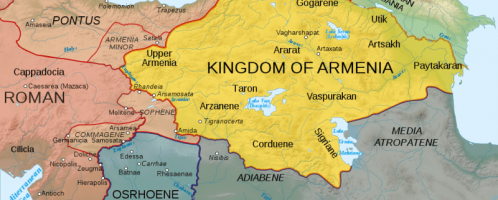
In 58 CE there was a rivalry between the Romans and the Parthians for influence in Armenia. As a result, the Roman-Parthian war broke out (58-63 CE).
(47 CE - ?)
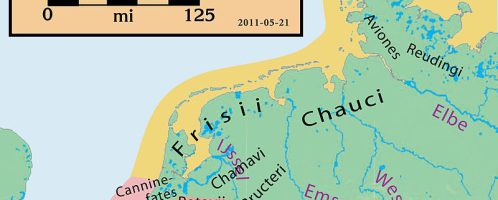
Gnaeus Domitius Corbulo is widely known as the victorious commander of the Armenian campaign in the time of Nero. Relatively little is known to readers about the earlier period of his military career, which took over the administration of the province of Germania Dolna (Germania Inferior) in the time of Claudius.
(43 CE)
In 43 CE the newly elected emperor Claudius, wanting to legalize his rule, began an invasion of unclaimed Britain. Britain was also considered a particularly attractive land because of the many mines and slaves. The main commander of the operation was Aulus Plautius.
(21 CE)
The anti-Roman uprising in Gaul took place during the reign of Tiberius in 21 CE, when the indebtedness of local aristocrats led to a boil. Its main leaders were two nobiles - Julius Florus from the Treveri tribe and Julius Sacrovir from the Aedui tribe.
(17–24 CE)
Tacfarinas was a Numidian by descent who deserted from the Roman auxiliaries (auxilia) and in 17 CE he started a war in Africa against Rome.