If you have found a spelling error, please, notify us by selecting that text and pressing Ctrl+Enter.

Rome’s war against Sparta

(195 BCE)

King of Sparta - Nabis - sought to strengthen the position of Sparta in the Peloponnese. Thanks to effective politics and an enlarged army, he subdued the city of Argos. The Roman Republic, using divisions among Greek cities, decided to intervene.
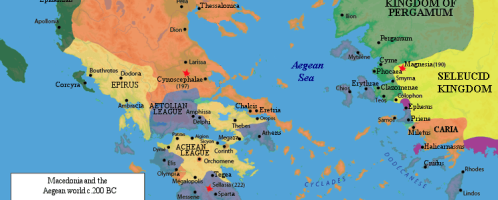
Greek world before the outbreak of the Second Macedonian War (2nd century  BCE)

Wars in Cisalpine Gaul at beginning of 2nd century BCE

(1st half of 2nd century BCE)

Victories of Hannibal and his Gallic allies inspired the younger Gaul generation from above the Po to continue fighting against the Republic, despite Carthaginian defeat in the Second Punic War. This led to a series of fights at the beginning of the 2nd century BCE in Cisalpine Gaul.

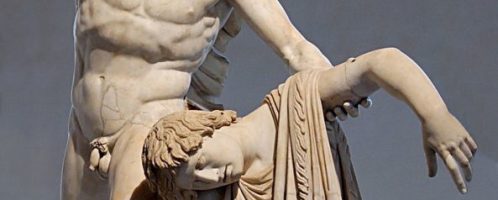
Roman sculpture from the 1st century CE showing Galatian killing his wife and himself

Macedonian wars

(215-168 BCE)

Macedonian wars were fought between the Roman Republic and the Macedonian state for hegemony in the Balkan Peninsula.

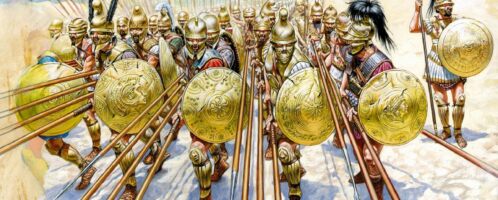
Greek phalanx

Fighting in Italy 216-203 BCE

(216-203 BCE)

The period from the Battle of Cannae to the evacuation of Hannibal from the Apennine Peninsula is a time of marches and countermarches of Roman and Punic armies, often along the same roads of southern Italy. Both the armies of the Republic and Carthage fought in these areas for the control of key cities such as Nola, Capua, Taranto and Benevento.

Hannibal accepting surrender of Romans

Punic Wars

(264-146 BCE)

Punic Wars were armed conflicts between the Roman Republic and Carthage. Fighting was fought for dominance in the western Mediterranean.

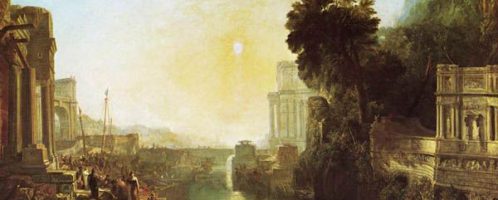
Dido rises Carthage, William Turner

Rome’s war with Pyrrhus

(282-272 BCE)

One of the fiercest enemies of the Roman Republic was Pyrrus, king of Epirus. The war against Epirus cost Rome much effort and suffering, and took many lives.