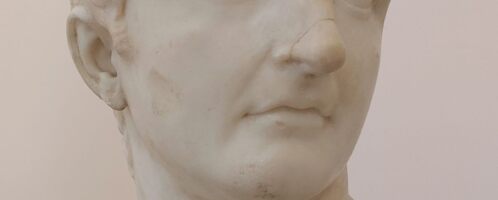
Julian the Apostate
(331/332 - 26 June 363 CE)
Julian the Apostate was a Roman emperor in 361-363 CE. He strived to restore the pagan religion and became famous as a great reformer.
If you have found a spelling error, please, notify us by selecting that text and pressing Ctrl+Enter.
The emperors of ancient Rome were the center of the political, military, and religious power of the Roman Empire. In this category, you’ll find articles devoted to Rome’s rulers – from Augustus to the last emperors of the West and East. The texts present the emperors, their reigns, reforms, conflicts, domestic and foreign policies, and their influence on the fate of the state. This is a compendium of knowledge about the people who shaped Rome’s history over the centuries.
(331/332 - 26 June 363 CE)
Julian the Apostate was a Roman emperor in 361-363 CE. He strived to restore the pagan religion and became famous as a great reformer.
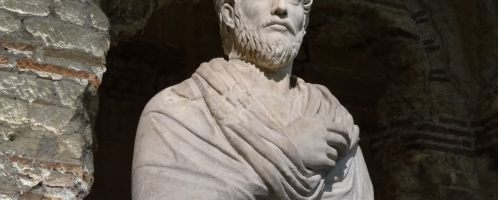
(11 April 145/6 – 4 February 211 CE)
Septimius Severus was Roman emperor ruling in 193-211 CE. He won the civil war and stabilized the situation in the state after the death of Commodus. He began a new dynasty - Syrian.

(c. 135 - 194 CE)
Gaius Pescennius Niger was the Roman emperor ruling in 193-194 CE. He was raised to the throne by eastern legions. He fought in a civil war, among others with Septimius Severus.

(31 August 12 - 24 January 41 CE)
Caligula was a Roman emperor in the years 37 - 41 CE. The son of the great Roman leader, Germanicus, was originally adored by the crowds. Unexpectedly, on November 37 CE Caligula fell into an unknown serious disease, and after recovering from this he became cruel and unpredictable.
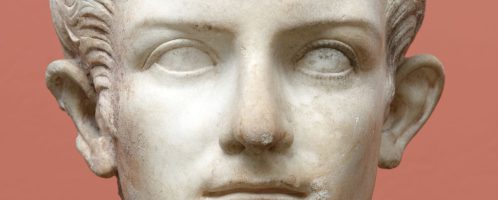
(23 September 63 BCE – 19 August 14 CE)
Augustus was the first emperor of Rome in history. At a young age, he was recognized as the main heir to the murdered Caesar, which brought him to the political scene and the final process of the Republic's downfall. Despite his poor health, he proved the ambition and determination that led him to take power.